

3 Easy Ways to Shrink Shoes to the Perfect Size
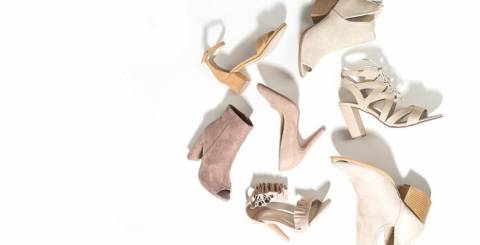
It may seem like a silly idea to have to shrink shoes to the correct size, but sometimes the shoes you love just don’t fit quite like they used to. More often than you may think, shoes stretch just a little too much as you break them in, causing your feet to shift around, leading to an uncomfortable experience.
Or maybe you like to do things a little differently, and that perfect pair of unique vintage shoes you found is just a size too big.
Looking for how to make sneakers smaller?
Not a problem at all. No matter the circumstance, keep reading to discover a few easy solutions for how to make your big shoes fit smaller!
1. Blow Dryer method

Heel slipping? Toes swimming? If your leather boots or loafers feel a half-size too loose, the blow dryer method can snug them up without a cobbler visit. It’s quick, low-effort, and you probably already own everything you need.
What you’ll need: clean leather shoes, a spray bottle with water, and a hair dryer set to medium heat. That’s it—no fancy kits, no weird chemicals.
How to shrink leather shoes (boots or loafers):
- Lightly mist the outside of the leather. Damp, not soaked—you want a sheen, not drips.
- Turn the dryer to medium and keep it moving 15–20 cm from the leather. Focus on loose zones: heel, instep, and toe box.
- Work in short passes for 2–3 minutes, then let the shoes cool for a minute. Try them on.
- Still roomy? Repeat once or twice until the fit feels right. Don’t rush it—small changes add up.
Little things that matter:
- Keep the dryer moving. Parking hot air in one spot can dry the leather out.
- Stop before “crispy.” If the leather looks too dry, pause and mist again.
- If you’re worried about finish, test on a hidden spot first (inside heel or tongue edge).
Aftercare for leather:
- When you’re done, rub in a thin layer of leather conditioner. It brings back suppleness and helps prevent surface cracks.
- Let the shoes rest overnight away from radiators or direct sunlight.
Real-talk notes: Sometimes only the heel needs attention; hit that area first before doing the whole shoe. If the shoe is way too big, heat won’t fix sizing—insoles or a cobbler’s heel grips can finish the job.
2. Cushion/Insert Method
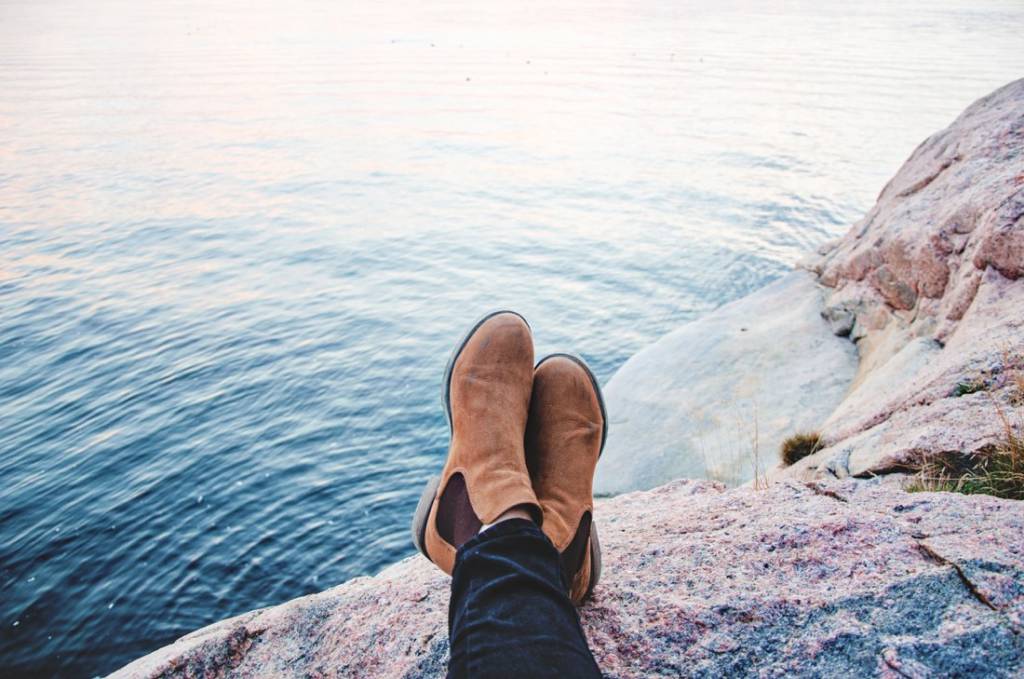
Problem: shoes too roomy on top, toes sliding forward, or heels rubbing? That extra space turns comfy sneakers, boots, or heels into blisters.
Fix: add a cushioned insole or targeted insert to fill the gap and lock your foot in.
What to use
- Full-length cushioned insole – shrinks overall volume and softens impact.
- Heel grip/heel liner – stops heel slip and rubbing at the back.
- Ball-of-foot pad (metatarsal pad) – lifts the forefoot so toes don’t slam the front.
- Tongue pad – fills vertical space over the instep to prevent top-of-foot lift.
How to do it (fast)
- Identify the slack: top, toe box, or heel.
- Pick the insert: match the insert to the loose area above.
- Test the fit: walk 30–60 seconds; toes shouldn’t hit, heel shouldn’t lift.
- Fine-tune: layer a thin forefoot pad or add a tongue pad if needed.
Tips
- Start with low-profile gel or foam; add thickness only if the shoe still feels loose.
- If the shoe’s length is fine but volume is big, tongue pads + heel grips beat thick insoles.
- Replace worn inserts every few months; compressed foam won’t hold your foot in place.
When to skip
- If the length is a full size too big, inserts won’t fix toe-off mechanics—consider resizing.
- Pain or numbness after inserting pads = too tight; remove or choose thinner padding.
Care
- Air-dry inserts after sweaty runs.
- Hand-wash gel or fabric liners; avoid high heat so the adhesive stays tacky.
3. Tumble Dryer Method

Worried your canvas sneakers feel loose? Don’t want to mess with hot water or a cobbler bill? Here’s a quick dryer method that tightens them up without a lot of fuss.
Heads-up first. This works best for simple canvas shoes or casual sneakers. Skip it for leather or suede—they can warp, crack, or shed dye.
What you’ll need
- Clean canvas shoes (remove insoles and laces)
- 2–3 clean towels
- Dryer with low/medium heat
How to do it
- Soak the shoes in cool water until fully wet. Wring out excess so they’re damp, not dripping.
- Load the dryer with the damp shoes plus towels (the towels cushion the drum and speed drying).
- Set heat to low or medium. Run 10 minutes, then check fit and shape.
- Still roomy? Add 5-minute bursts, checking each time. Stop as soon as they feel slightly snug—canvas relaxes a bit as you wear them.
- Air-dry the last bit at room temp. Reinstall insoles and laces once fully dry.
Pro tips
- Protect the shape: Stuff toes with a small towel while drying if your toe box collapses.
- Prevent scuffs: Tie laces together so each shoe doesn’t pinball in the drum.
- Spot-shrink: If only the heel slips, mist just the heel area and dry in short bursts.
- Avoid over-shrinking: If they start feeling stiff or the rubber warms too much, stop and air-dry.
When not to use this
- Leather, suede, or shoes with heat-bonded overlays.
- Shoes with glued insoles that might loosen under heat.
Importance of Proper Fit

(photo credits: OTBT)
Even though you can slightly shrink your shoes and tighten them to your foot size, it is still important to ensure you choose the proper fit when buying shoes. Especially when it comes to women’s walking sneakers, you want them to be snug and comfortable to ensure safety and the best experience possible with your shoes, no matter what you are doing! Taking the time to discover your proper shoe size will keep your feet protected and comfortable and save you time and money in the long run!
If you find yourself in a situation with a pair of shoes that are slightly too big, hopefully at least one of these three methods has solved your problem. Making big shoes fit smaller has never been easier or more convenient, so don’t worry, you can keep those unique vintage shoes you thrifted, or that comfortable pair of shoes that has stretched out, but you cannot seem to part with!
Frequently Asked Questions (FAQ)
Q: Can I shrink any type of shoe using these methods?
A: Not quite. The blow-dryer method works best for leather shoes, the dryer method is suitable for canvas/sneakers, and the insert method is more about adjusting fit—not actually shrinking length. The canvas/dryer method specifically warns against leather or suede shoes.
Q: Will shrinking affect the shoe’s comfort or lifespan?
A: Yes—if you overdo it, you risk stiffening the material or causing damage (like cracked leather or warped shapes). For leather, you're advised to condition the material afterwards.
Q: My shoes are a full size too big. Will these methods fix that?
A: Probably not. The insert method note says if the length is “a full size too big,” inserts won’t fix the toe-off mechanics. Shrinking may help a little, but major size mismatches likely need a different pair.
Q: How much can I safely shrink shoes without damaging them?
A: There's no exact “inch/cm” rule given, but the advice is to work gradually (repeat short bursts of heat, check fit often). For example: “short passes … 2-3 minutes … then let shoes cool and try them on.”
Q: What should I do after using heat on leather shoes to shrink them?
A: After using the blowdryer method for leather, you should apply a thin layer of leather conditioner and let the shoes rest away from direct heat or sunlight overnight.
Q: Can I use the dryer method on shoes with glued-insoles or heat-bonded overlays?
A: No — the article specifically states to avoid the dryer method for shoes with glued-insoles or heat-bonded overlays because heat may loosen the glue.
Q: What’s the fastest way to deal with a heel that keeps slipping in my shoes?
A: Use the insert method with a heel grip or liner. The method focuses on targeted inserts for specific problem areas, like heel slip, rather than shrinking the entire shoe.
Q: Are these methods DIY-safe, or should I see a cobbler?
A: They’re DIY-friendly but have limits. The article says, “if the shoe is way too big, heat won’t fix sizing — insoles or a cobbler’s heel grips can finish the job.”
Similar Articles

Discover how the New Balance 9060 became a women’s fashion statement, blending retro-inspired design, all-day comfort, and versatile street style.

Discover the ultimate guide to ankle boots. Learn popular styles, styling tips, current trends, and how to choose and care for the perfect pair for any occasion.
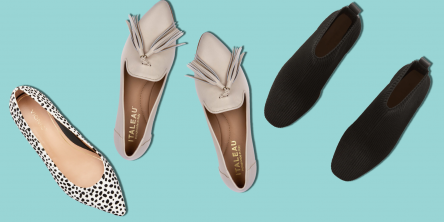
Shoe Ideas for Older Women that Are Cute and Comfortable. As women gracefully embrace their 50s and beyond, their fashion choices continue to evolve, reflecting their confidence, sophistication, and personal style.

It gets cold outside I begin my hunt for the perfect winter shoes. There are so many options out there. Use this as a guideline and pick a pair that reflects your style.
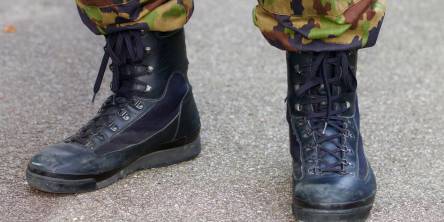
No, this is not a drill. Combat boots are BACK and AGGRESSIVELY in style this season. Hailey Bieber and Gigi Hadid have made fashion statements this season with their badass collection of combat boots.
Never underestimate the importance of comfort when choosing your next pair of shoes. Here are five stylish and comfy shoes every woman should own in 2019.
The primary purpose of shoes is to protect our feet, and these have come a long way since the sandals that were first invented by the ancient Greeks and Romans. While sandals can be quite comfortable and trendy, shoes are suitable for any season and not only for the summer, which gives them a huge advantage and a more important role in your wardrobe than most items.
Wedges are designed to walk freely, enjoy comfort along with the advantage of looking fashionable. It is the most loved heel and the variety it offers makes it more desirable. Like the year 2020, take a look at the latest trends.
Our choice of shoes is very important. Just think about the amount of time we spend wearing them and the distances we walk in them. No wonder shoes have a big effect on our feet. That is why when we make some common mistakes with our shoes, we are killing our feet in the process