

Top 7 Warning Signs Your Heavy Equipment Needs Hydraulic Cylinder Repair
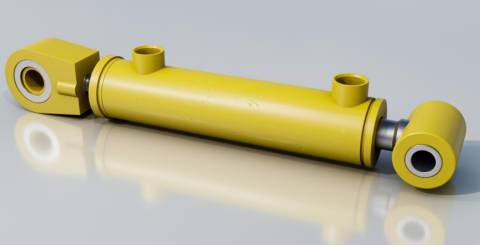
Your heavy equipment needs hydraulic cylinder repair when it leaks oil, moves slowly, makes odd noises, or loses pushing force. Act on these signs early. Bosch Rexroth reports that 70 to 80 percent of hydraulic failures trace back to contaminated oil. Worn cylinder seals let that dirt in. One small leak can stop a whole machine within weeks. This guide covers seven clear warning signs, what each one means, and when to book an inspection. Read on to avoid costly downtime.
Why Hydraulic Cylinders Fail
A hydraulic cylinder turns fluid pressure into straight-line force. It lifts booms, tilts buckets, and pushes arms. Inside, a piston moves along a barrel. Seals keep the oil on the correct side. A rod carries the force outside the cylinder. Every one of these parts wears over time. Dirt, heat, and heavy loads speed up that wear. The damage stays hidden for a long time. IDCON notes that a hydraulic system can lose up to 20 percent of its efficiency before an operator notices. That gap is why you should learn the warning signs.
The 7 Warning Signs of Hydraulic Cylinder Trouble
1. Oil Leaks Around the Cylinder
Oil on or near the cylinder is the most common sign. Seals harden, crack, or tear with age. Oil then escapes.
External Leaks
Look for a wet rod, an oil film on the barrel, or drips under the gland. Dust sticks to the oil and forms dark mud. That mud is a clear signal.
Internal Leaks
Internal leaks are harder to spot. Oil slips past the piston seal inside the barrel. No puddle appears, but the cylinder loses strength. I believe operators wipe away leaks too often. Treat every visible leak as a repair job, not a cleanup job. A clean rag only hides the problem.
2. Slow or Jerky Movement
A healthy cylinder moves smoothly. A weak one hesitates. The boom lags. The bucket stutters. Air in the oil, worn seals, or a scored barrel often cause this. Check the oil level first. A low level costs almost nothing to fix. A normal level points toward the cylinder.
3. Strange Noises
Listen for whining, knocking, or squealing. Whining often points to air in the system. Knocking can mean loose parts or a damaged piston. Squealing suggests dry or worn seals. New sounds always matter. Operators know their machines best, so trust your ears.
4. Reduced Output Force
The machine struggles with loads it once lifted easily. Worn piston seals let oil bypass the piston. Pressure drops, and force drops with it. A weak pump or a faulty valve can cause the same symptom. Test the pressure to find the real source before you order parts.
5. Piston Rod Damage
Inspect the chrome-plated rod closely. Scratches, pits, rust spots, and dents are red flags. Each flaw cuts into the seal on every stroke. A bent rod is worse. It strains the gland and the bearings. Rod damage never heals on its own. Repair it early, before the seals fail.
6. Cylinder Drift
Drift means the cylinder creeps while you hold a position. A raised boom sinks slowly. Internal leakage or a faulty valve usually causes it. Drift is a safety risk. A falling load can hurt people. Stop work and inspect the machine.
7. Overheating Oil
Hot oil signals trouble. Internal leaks turn pressure into heat. Hot oil thins out and protects less, so wear speeds up. Use an infrared thermometer and log the readings each week. A steady rise under the same workload deserves a check.
Read more: 12 Hydraulic Stacker Maintenance Tips to Extend Equipment Life
Quick Comparison: Signs, Causes, and Urgency
| Warning sign | Likely cause | Urgency |
| Oil leak | Worn rod or piston seals | High |
| Slow or jerky movement | Air, low oil, worn barrel | Medium |
| Strange noise | Air, loose parts, dry seals | Medium |
| Low output force | Piston seal bypass | High |
| Rod damage | Impact, dirt, corrosion | High |
| Cylinder drift | Internal leak, valve fault | Very high |
| Overheating oil | Internal leakage, dirty oil | Medium |
Repair or Replace the Cylinder?
When Repair Makes Sense
Most seal failures need only a new seal kit. Light rod scratches can be polished or re-chromed. A shop can hone a barrel with minor wear. These repairs cost far less than a new unit.
When Replacement Makes Sense
Deep barrel scoring, a cracked tube, or a badly bent rod usually ends the cylinder's life. Replace the unit when repair costs reach close to the price of a new one. Ask the repair shop for a written inspection report. Compare it with a quote for a new cylinder. Numbers make the decision easy.
How to Prevent Cylinder Problems
Keep the Oil Clean
Clean oil protects every part inside the cylinder. Sample the oil on a schedule. Change filters on time. Flush the lines after any repair.
Protect the Rod
Wiper seals and rod guards block dirt and impact. Clean the rod before you retract it. Store attachments with the cylinders retracted when possible.
Inspect on a Schedule
Short, regular checks catch problems while they are still cheap.
Daily Walkaround Checklist
- Look for wet spots on rods, barrels, and hose fittings.
- Check the oil level and color.
- Watch the first movements for lag or jerks.
- Listen for new noises at startup.
- Test that raised booms hold their position.
When to Book an Inspection
Book an inspection within days of any leak, drift, or new noise. Do not wait for a breakdown. A planned repair takes a day or two. A sudden failure can stop a job site for weeks. Suppliers such as zemohc publish technical pages on hydraulic cylinder specifications, seal kits, and repair options. Those pages help you match parts and describe symptoms clearly to a technician.
Final Thoughts
Hydraulic cylinders give plenty of warning before they fail. Oil leaks, slow movement, noise, weak force, rod damage, drift, and heat all tell the same story. My advice is simple: trust the signs and act fast. A ten-minute walkaround each morning costs nothing. It can save thousands of dollars in repairs and lost work.
Similar Articles
A worn guide, an overheated insulator, or a component that reacts with a cleaning solution can disrupt an otherwise reliable machine. These problems often begin with a material choice that was reasonable during development but becomes unsuitable under actual operating conditions.
Learn about HVAC sheet metal fabrication, including its key processes, materials, applications, and benefits for efficient heating and cooling systems.

Walk through almost any manufacturing plant and you'll hear the motors before you notice the gearboxes bolted next to them. That's kind of the point
Learn how prepainted steel panels resist corrosion, scratches, UV exposure, forming stress, and finish inconsistency in home appliance manufacturing.
Learn how to choose the right food powder manufacturing grinder by comparing grinding capacity, precision, efficiency, durability, and processing needs.

Electric cables are among the most critical parts of any construction. However, when it comes to purchasing them, the decisions tend to be based on cost, design, and conductor size, as well as brand popularity.
In an era of supply chain realignment and accelerating technological change, precision manufacturing has emerged as a critical competitive differentiator for businesses across the industrial spectrum
Avoid seven common industrial agitator selection mistakes involving tank size, viscosity, impellers, motor power, materials, maintenance, and suppliers.
Pick a stainless steel pipe based on three things: the grade, the wall thickness, and the working environment. Get these three right, and the pipe lasts for decades.