

Why Cable Standards Matter for Safety, Quality and Performance?
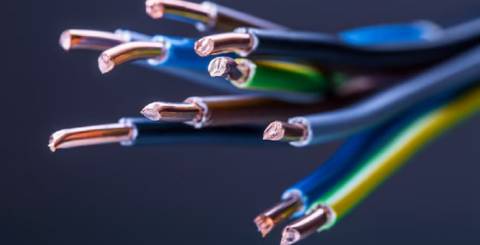
Electric cables are among the most critical parts of any construction. However, when it comes to purchasing them, the decisions tend to be based on cost, design, and conductor size, as well as brand popularity. Many people don't realise that safety and performance are heavily dependent on their compliance with recognized norms and certificates.
If it's for a house manufacturing facility or infrastructure, knowledge of cable standards can help reduce the risk of failure that is often unnoticed until a failure happens.
What Are The Cable Standards And Why Are They Important?
Standards for cables define how cables are designed as well as manufactured before it can be used in the installation. They assure:
- The correct size of conductor and resistivity
- An adequate thickness of insulation
- Specified temperature performance
- Safe behaviour under electrical stress
- Uniform quality throughout producers
In the absence of standards, two cables bearing the same dimensions can behave differently in actual usage. Simply put it in terms of standards, they provide certainty to the safety of cables and their performance.
What Is BIS And How Is BIS Different Than Other International Standards?
In India, the cable standards are controlled by the Bureau of Indian Standards (BIS).
- BIS sets out technical specifications (IS standards)
- BIS Certification by BIS (ISI mark) certifies that the product conforms to the requirements of those standards.
All over the world, additional standards are widely utilized:
- IEC (International Electrotechnical Commission) - International standard of reference
- BS (British Standards) is widely utilized in the UK as well as many other export markets.
- UL (Underwriters Laboratories) - a certificate that is focused on safety, primarily in North America
Every standard framework is designed to serve an application or a specific geography. However, they all strive to guarantee safe and secure product performance.
Are BIS, IEC, BS and UL the Only Standards That Are Not Competing?
Actually, they're two different systems catering to various markets. They are not rivals.
The cable that is designed to be used in India is required to meet BIS standards. Cables used for export or international projects could require IEC, BS, or UL conformity based on the project's specifications.
In many modern facilities, including infrastructure and industrial projects, cables have been designed to comply with multiple standards concurrently. RF cable assemblies are also manufactured to meet specific industry requirements for reliable signal transmission and performance.
What are the Standards for Products for Cables?
Standards for product design determine how cables are built, tested, and constructed for safety to ensure that it functions when exposed to environmental and electrical hazards. They generally include:
- Material, conductor size, and resistance
- Sheath thickness and insulation
- The rating of voltage and the temperature limit
- The mechanical strength and endurance
- Tests for electrical conductivity, such as the withstand of high voltages as well as insulation resistance, and aging
Examples of this include BIS (IS standards for India), IEC (international), BS (UK), and UL (North America). Simple to understand, standards guarantee that the wire is appropriate for its intended use regardless of whether it's utilized in a residence or factory, or in an infrastructure project.
They specify how the cable will perform throughout its lifespan, not just during the time it's brand new. PTFE sleeves are valued for their long-term durability and resistance to heat, chemicals, moisture, and electrical stress in demanding applications.
What is Regulatory and Environmental Compliance?
Environmental and regulatory compliances concentrate on the materials used within the cable and also whether or not they're suitable for humans as well as the natural environment. They don't define the performance of electrical cables, but rather make sure that the cable is free of harmful or prohibited chemicals.
A few of the most well-known compliances are:
- REACH: Restricts harmful chemicals and provides safety of chemical use.
- RoHS: Limits the use of toxic substances such as mercury, and lead, and mercury.
- CPR (Construction Products Regulation): Classifies the performance of fire, including flame spread as well as emission of smoke (mainly within Europe)
- CE mark: The CE mark indicates the conformity to European standards for safety and regulations.
This is especially relevant when it comes to commercial and public construction, as well as ecologically sensitive initiatives. While quality standards assure that the cable is safe to use, the environmental certification guarantees it's suitable to put in and use.
What Are The System Certifications And Why Are They Important?
System certificates relate to manufacturing processes of the manufacturer, but are in no way directly tied to the design of the cable. They verify that the business has a system that is audited and structured for consistency and quality control, as well as the environment and health and safety.
Commonly used certifications are:
- ISO 9001 - Quality Management System
- ISO 14001 - Environmental Management
- ISO 45001 - Occupational Health & Safety
Although these certificates do not assure product performance by themselves, they do indicate that the maker has controlled procedures, traceability, and consistency. Buyers can benefit from this as it reduces the chance of variations between batches and assures reliability over time.
Why Is This Difference Essential To Buyers?
Since many of the products on the market might have certain certifications but not others. As an example:
- The cable might meet the requirements for the environment, but the electrical requirements are not met.
- It is possible to manufacture a product in an ISO-certified factory; however it is it is not evaluated against BIS or IEC standards.
- Cables may have markings but may not meet the requirements.
Knowing the distinction can help buyers ask the correct questions and steer clear of misleading statements.
How Do Standards Impact Real-Life Safety?
Many electrical faults don't take place immediately. They develop over time. Cables that are not of good quality can overheat in normal conditions, or decrease in strength when exposed to harsh conditions and fail when voltage spikes occur or create fire hazards. The standards define the way cables operate not only in normal use but also in extreme circumstances.
This predictability ensures the safety of both people and equipment.
What Must A Consumer Be Looking For Before Deciding On The Right Cable?
The best practice is that the selection of cables must go far beyond the size and cost. Some key factors will significantly lower the risk of long-term dangers:
- Relevant Standard Compliance
Make sure the cable is compliant with the standards in force (BIS for India, IEC/BS/UL to be used for particular projects, or exports).
- Marking Of Certification
Be sure to look for authentic markings, for example ISI or an equivalent mark, not simply printed claims.
- Rated by the Government
Verify the voltage rating, the temperature rating, as well as application ability (power and control and fire-safe)
- Indicators of quality in Construction
This covers insulation thickness and flexibility, as well as shielding (if appropriate) and the overall appearance.
- Application Fit
The cable that is suitable for use in residential wiring might not be able to perform in extreme temperatures or environments for industrial use.
- Credibility of the Manufacturer
Quality, consistency, testing infrastructure, as well as technical support are important, particularly when it comes to critical or large projects.
Small variations during the selection process will have an impact on safety, quality, and the cost for lifecycle maintenance in the long run.
Conclusion
Standards for cables are not paper specifications, but rather engineering safety measures which define how safe and efficiently a cable functions over its duration. Selecting cables with standards compliant guarantees predictable electrical performance, superior safety performance, and longer-term installation stability in commercial, industrial, and residential settings.
High voltage wires are designed to meet specific electrical and safety requirements for reliable performance in demanding applications.
Similar Articles
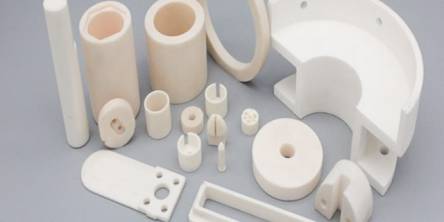
A worn guide, an overheated insulator, or a component that reacts with a cleaning solution can disrupt an otherwise reliable machine. These problems often begin with a material choice that was reasonable during development but becomes unsuitable under actual operating conditions.
Learn about HVAC sheet metal fabrication, including its key processes, materials, applications, and benefits for efficient heating and cooling systems.
Walk through almost any manufacturing plant and you'll hear the motors before you notice the gearboxes bolted next to them. That's kind of the point
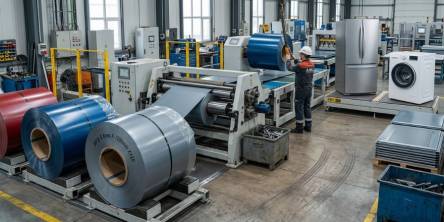
Learn how prepainted steel panels resist corrosion, scratches, UV exposure, forming stress, and finish inconsistency in home appliance manufacturing.

Learn how to choose the right food powder manufacturing grinder by comparing grinding capacity, precision, efficiency, durability, and processing needs.

In an era of supply chain realignment and accelerating technological change, precision manufacturing has emerged as a critical competitive differentiator for businesses across the industrial spectrum

Avoid seven common industrial agitator selection mistakes involving tank size, viscosity, impellers, motor power, materials, maintenance, and suppliers.
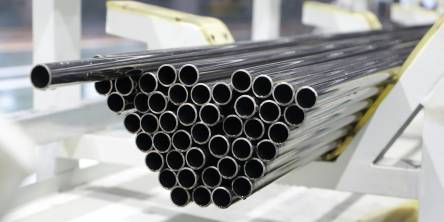
Pick a stainless steel pipe based on three things: the grade, the wall thickness, and the working environment. Get these three right, and the pipe lasts for decades.
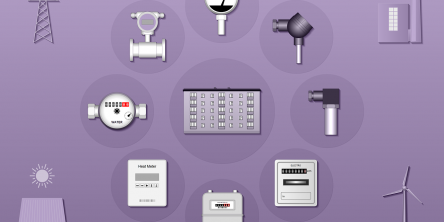
The right pressure sensor matches four things: pressure range, media type, accuracy, and output signal. Get these four right, and the sensor will last for years.