

7 Common Industrial Agitator Selection Mistakes and How to Avoid Them
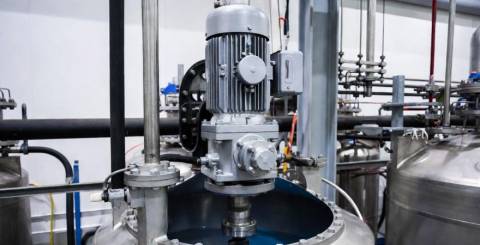
Introduction
Industrial agitator selection affects product uniformity, energy use, maintenance, and production reliability. However, buyers often compare mixers using tank capacity and motor power alone. This can result in poor circulation, sediment buildup, excessive shear, high electricity use, or premature equipment wear.
A reliable selection process begins with the liquid, tank geometry, operating objective, and installation conditions. It then considers impeller design, speed, torque, materials, sealing, maintenance access, and supplier support. The following seven mistakes are common in chemical processing, oil storage, wastewater treatment, and other industrial applications.
Why Correct Industrial Agitator Selection Matters
An industrial agitator is part of a complete mixing system. Its job may be liquid blending, solids suspension, heat transfer, chemical dispersion, reaction support, or sediment prevention. Each duty needs a different balance of flow, shear, speed, and torque.
A mixer that works in a low-viscosity storage tank may perform poorly in sludge or a viscous chemical product. Poor selection can create unmixed zones, long batch times, leakage, vibration, or frequent shutdowns. Buyers should therefore define the expected mixing result before requesting a quotation.
Mistake 1: Choosing an Agitator Based Only on Tank Volume
Tank volume matters, but it is not enough for tank agitator sizing. Two tanks with the same capacity can require different systems because of their diameter, height, bottom shape, operating level, and internal structures.
A tall tank creates a different flow path from a wide, shallow vessel. Coils, pipes, ladders, baffles, and columns may interrupt circulation. Mounting position also affects whether the impeller can move liquid through the full working volume.
Buyers should provide a tank drawing showing:
• Diameter, height, and bottom shape
• Minimum and maximum liquid levels
• Nozzles and proposed mounting points
• Internal coils, pipes, and obstructions
• Maintenance and shaft-removal space
Tank capacity should be one design input, not the final selection rule.
Mistake 2: Ignoring Fluid Viscosity and Density
Fluid viscosity and mixing performance are closely connected. Low-viscosity liquids generally circulate more easily. Viscous products may require higher torque, lower speed, or a different impeller. Density influences the force needed to move the liquid, while solids content affects suspension and sediment control.
Buyers should provide viscosity at the actual operating temperature. A room-temperature value may be misleading if the product thickens during startup, cooling, or concentration changes.
Important data include liquid composition, density, viscosity range, temperature, solids percentage, particle size, corrosiveness, abrasiveness, and the required mixing time. Accurate data help the supplier select the speed, shaft, torque, and impeller arrangement.
Mistake 3: Selecting the Wrong Impeller Design
Agitator impeller design controls how rotational energy enters the liquid. Different designs create axial, radial, or tangential flow and different levels of shear.
Axial-flow impellers are often used for circulation, blending, and solids movement in low- to medium-viscosity liquids. Other duties may need stronger local shear, gas dispersion, or movement close to the tank wall.
Buyers should ask the supplier to explain:
• The proposed flow pattern
• Impeller diameter and blade shape
• Number and position of impellers
• Operating speed
• Why the design matches the process goal
An inexpensive or familiar impeller is not necessarily the correct choice.
Mistake 4: Oversizing or Undersizing the Motor
A larger motor does not automatically produce better mixing. Industrial mixer motor power should match the impeller, liquid properties, required flow, torque, and mechanical losses.
An undersized motor may overload during startup or fail at maximum viscosity. An oversized motor raises purchase and energy costs and may create unnecessary shear or mechanical stress.
The quotation should state normal speed, installed power, gearbox ratio, output torque, and design conditions. When a variable-frequency drive is included, buyers should confirm that the motor and gearbox support the intended speed range. The goal is sufficient, controllable power rather than the highest possible rating.
Mistake 5: Overlooking Tank Shape and Internal Obstructions
Tank geometry and mixing cannot be separated. Even a suitable impeller may fail if heating coils, pipes, or other structures block the intended circulation.
Unbaffled tanks may develop excessive swirling. Wide storage tanks may need more than one side-entry agitator. Deep process vessels may require multiple impellers on a top-entry shaft.
Before approving a design, request a general arrangement drawing showing the shaft, impeller position, mounting orientation, and clearances. This application-first approach also applies to other fluid-handling equipment, as shown in ArticleCube's guide to vertical centrifugal pumps.
Mistake 6: Using Unsuitable Materials and Sealing Systems
A corrosion-resistant agitator requires more than selecting “stainless steel.” Wetted materials must match the chemical, concentration, temperature, abrasion, cleaning method, and contamination limits.
Depending on the duty, suitable options may include carbon steel, coated steel, stainless steel grades, or application-specific alloys. Material selection should follow documented compatibility rather than price or general preference.
The seal also affects leakage control and maintenance. Packing, lip seals, and mechanical seals suit different pressures, temperatures, shaft speeds, and mounting directions.
Buyers should confirm wetted material grades, coatings, seal type, elastomer compatibility, leakage expectations, and replacement access before production.
Mistake 7: Failing to Consider Maintenance and Operating Costs
The lowest purchase price may not provide the lowest total cost. Electricity, bearings, seals, lubrication, spare parts, cleaning, labor, and downtime all matter.
Industrial agitator maintenance should be considered during selection. Technicians need safe access to the motor, gearbox, coupling, seal, and lubrication points. The shaft and impeller also need a practical removal route.
Ask about inspection intervals, replacement procedures, recommended spare parts, operating limits, manuals, drawings, and troubleshooting support.
Equipment specifications should match the real application, a principle also emphasized in ArticleCube's guide to selecting industrial components for demanding applications.
How Poor Agitator Selection Affects Mixing Performance
Poor industrial agitator selection may cause:
• Unmixed material near the tank top, bottom, or corners
• Settled solids and difficult cleaning
• Excessive vortexing or air entrainment
• Uneven temperature or concentration
• Longer batch times
• High motor current or gearbox temperature
• Vibration, noise, shaft movement, or seal leakage
• Premature bearing or impeller wear
These symptoms may result from incomplete process data, unsuitable placement, product changes, or operation outside the original design conditions. Before replacing equipment, review the liquid properties, speed, liquid level, process goal, and maintenance history.
What Technical Data Buyers Should Provide Before Purchasing
A complete inquiry enables an industrial agitator supplier to prepare a more accurate proposal.
| Selection area | Information to provide |
| Tank | Diameter, height, volume, shape, levels, internals, mounting |
| Product | Name, density, viscosity, temperature, corrosion, abrasion |
| Solids | Percentage, particle size, density, settling behavior |
| Process | Blending, suspension, heat transfer, dispersion, or sediment control |
| Operation | Batch or continuous duty, mixing time, daily hours |
| Mechanical | Shaft length, seal, mounting, maintenance access |
| Electrical | Voltage, frequency, motor enclosure, hazardous-area needs |
| Commercial | Quantity, destination, documents, packing, delivery terms |
Providing this information early reduces repeated communication and makes quotations easier to compare.
Questions to Ask an Industrial Agitator Supplier
Before ordering, ask:
1. Why is the proposed impeller suitable?
2. How were speed, power, and torque selected?
3. Which materials contact the product?
4. What seal is included, and why?
5. Are approval drawings provided?
6. Which quality checks are completed?
7. Which spare parts are recommended?
8. What manuals and export documents are included?
9. What installation support is available?
10. Can voltage, materials, mounting, and controls be customized?
A capable supplier should provide project-specific explanations rather than only a model number and price.
A Practical Checklist for Avoiding Agitator Selection Mistakes
Confirm that:
• The mixing objective is clearly defined
• Tank drawings and liquid levels are available
• Viscosity and density reflect operating conditions
• Solids and settling behavior are described
• Impeller type, position, and flow pattern are explained
• Motor, speed, torque, and gearbox are coordinated
• Materials and seals match the product
• Mounting and maintenance access are practical
• Electrical requirements are documented
• Drawings, testing, manuals, packing, and spare parts are included
Frequently Asked Questions
1. Can an agitator be selected using tank capacity alone?
No. Tank geometry, viscosity, density, solids, liquid level, internals, and process objectives also affect selection.
2. Is a larger motor always safer?
No. Oversizing may waste energy and create unnecessary process or mechanical stress.
3. Which impeller works for every application?
No single impeller suits every duty. Selection depends on viscosity, solids, shear sensitivity, tank geometry, and the required flow pattern.
4. When is a side-entry agitator appropriate?
It is often considered for large storage tanks requiring directed circulation, homogenization, heat distribution, or sediment prevention.
5. What should buyers confirm before shipment?
Confirm drawings, materials, drive data, inspections, spare parts, manuals, packing, and delivery terms.
6. Can an industrial agitator be customized?
Yes, many systems require customized shaft length, impeller, materials, mounting, seals, voltage, or controls based on verified process data.
Conclusion
Avoiding agitator selection mistakes begins with complete technical information. Buyers should not choose industrial mixing equipment only by tank volume, motor power, or initial price. The liquid, process objective, tank geometry, impeller, speed, torque, materials, seals, and maintenance plan must work together.
A well-prepared inquiry helps suppliers explain their design and allows buyers to compare quotations fairly. It also reduces the risk of poor circulation, sediment, excessive energy use, leakage, and premature wear.
For product details, customized configurations, or technical support, buyers can review KEHENG industrial agitators and submit their tank drawing and operating data for a project-specific quotation. For general company information, KEHENG Mixers.
Similar Articles
Discover why sanitary fabrication matters in food processing facility upgrades, improving hygiene, food safety, equipment durability, and regulatory compliance.

An efficiently operating manufacturing business involves more than making good products. Good organization is key to keeping costs under control, meeting deadlines, ensuring quality, and reacting promptly to changes.
Learn how to design closed die forging with the right parting lines, draft angles, and critical details to improve manufacturability, quality, and efficiency.
Spot the top 7 warning signs your heavy equipment needs hydraulic cylinder repair, from oil leaks to drift, and learn when to book an inspection.
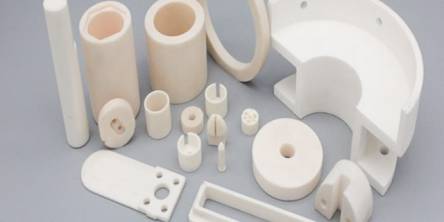
A worn guide, an overheated insulator, or a component that reacts with a cleaning solution can disrupt an otherwise reliable machine. These problems often begin with a material choice that was reasonable during development but becomes unsuitable under actual operating conditions.
Learn about HVAC sheet metal fabrication, including its key processes, materials, applications, and benefits for efficient heating and cooling systems.
Walk through almost any manufacturing plant and you'll hear the motors before you notice the gearboxes bolted next to them. That's kind of the point
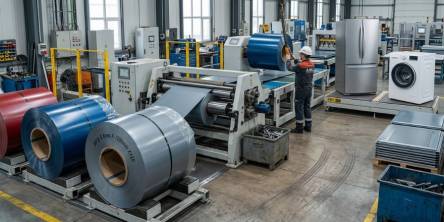
Learn how prepainted steel panels resist corrosion, scratches, UV exposure, forming stress, and finish inconsistency in home appliance manufacturing.
Learn how to choose the right food powder manufacturing grinder by comparing grinding capacity, precision, efficiency, durability, and processing needs.