

How to Choose the Right Stainless Steel Pipe for Industrial Applications
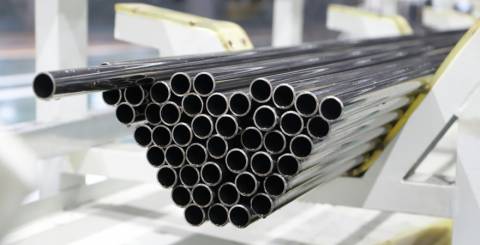
Pick a stainless steel pipe based on three things: the grade, the wall thickness, and the working environment. Get these three right, and the pipe lasts for decades. Get one wrong, and you face leaks, corrosion, or a failed inspection.
The global stainless steel pipe market reached $37.13 billion in 2025 and keeps growing every year. Plants across oil and gas, food processing, and pharma all depend on this material. Picking the wrong pipe costs money, time, and sometimes safety. This guide breaks down the choice into clear steps, so procurement teams and engineers can order with confidence.
What Is a Stainless Steel Pipe
A stainless steel pipe carries liquids, gases, or slurries in industrial systems. Chromium content gives it resistance to rust and chemical attack. Nickel adds strength and helps the metal handle heat.
Plants pick stainless steel pipe over carbon steel for one reason: durability. It survives moisture, chemicals, and temperature swings that destroy regular steel within months.
Read more: PVC Pipes for Residential and Commercial Applications
Key Factors Before You Buy
Grade and Alloy Composition
Grade decides how the pipe performs under stress, heat, and chemical exposure. Each grade suits different jobs.
| Grade | Key Trait | Best Use |
|---|---|---|
| 304/304L | General corrosion resistance | Food and beverage lines |
| 316/316L | Higher resistance to chlorides | Marine and chemical plants |
| 321 | Stable at high heat | Aerospace and exhaust systems |
| Duplex 2205 | High strength, low corrosion | Offshore and desalination |
Grade 316 costs more than 304, but it handles salt and acid better. Skip it for a splash-water application and you waste budget. Skip it for a coastal chemical line and the pipe corrodes fast.
Standard and Certification
Buy pipe that meets a recognized standard. ASTM A312 covers seamless and welded austenitic stainless steel pipe for high-temperature and general corrosive service. This standard spans sizes from 1/8 inch to 30 inches in diameter, so it fits almost any project scale.
Ask suppliers for mill test certificates. These documents confirm chemical composition and mechanical strength match the ordered grade. A pipe without paperwork is a risk, not a purchase.
Wall Thickness and Schedule
Wall thickness determines pressure rating. Thicker walls handle higher pressure but add weight and cost.
Schedule numbers like Sch 10S, 40S, and 80S define this thickness. Higher numbers mean thicker walls. Match the schedule to your system pressure, not to habit or guesswork.
Seamless vs Welded Pipe
Seamless pipe forms from a solid billet with no joint line. It handles high pressure and offers a uniform wall. Welded pipe forms from rolled sheet joined by a seam.
Welded pipe costs less and works fine for most low-to-medium pressure jobs. Seamless pipe wins for high-pressure, high-stakes lines like offshore platforms. Welded pipes hold roughly 58 percent of the market because they cost less to produce and still meet most plant needs.
Application Environment
Match the pipe to the actual working conditions. A few common cases:
- Chemical plants: choose 316L for chloride and acid exposure.
- Food and dairy: choose 304 with a polished interior finish.
- Offshore rigs: choose duplex grades for strength and saltwater resistance.
- High-heat exhaust systems: choose 321 for heat stability.
Common Mistakes Buyers Make
Many buyers pick the cheapest quote without checking the grade certificate. This mistake leads to early pipe failure. Others order the wrong schedule and end up with a pipe that cracks under pressure.
A third mistake: ignoring the joining method. Welding stainless steel pipe wrong introduces weak points and rust spots. Work with a fabricator who understands stainless welding, not just carbon steel.
Stainless Steel Pipe Grade Quick Comparison
| Factor | 304/304L | 316/316L | Duplex 2205 |
|---|---|---|---|
| Corrosion resistance | Good | Excellent | Excellent |
| Cost | Lower | Medium | Higher |
| Strength | Standard | Standard | High |
| Typical industry | Food, general industry | Chemical, marine | Offshore, desalination |
My Take on Making the Right Choice
Grade 316 gets picked too often out of caution, even for jobs that never touch chlorides. That habit wastes budget. A closer look at the actual fluid, temperature, and pressure saves real money without hurting safety.
Talk to your fabricator early. A good supplier flags problems before the order ships, not after installation. That single conversation prevents most of the costly mistakes on this list.
Frequently Asked Questions
What is the most common stainless steel pipe grade?
Grade 304 stays the most common choice for general industrial and food-grade use.
Which grade resists corrosion best?
Duplex 2205 and 316L handle chlorides and acids better than standard 304.
Is seamless pipe always stronger than welded pipe?
Seamless pipe handles higher pressure, but welded pipe performs well for most standard industrial loads.
How do I confirm a pipe meets ASTM A312?
Request the mill test certificate and check it against the ASTM A312 chemical and mechanical requirements.
A stainless steel pipe purchase comes down to matching grade, thickness, and standard to the job. Skip a step, and the system pays for it later. Follow this checklist, and the pipe outlasts the plant schedule it was built for.
Similar Articles
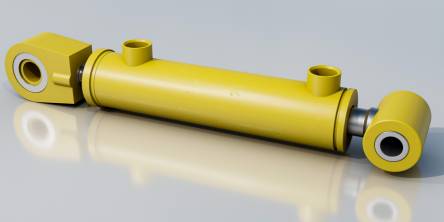
Spot the top 7 warning signs your heavy equipment needs hydraulic cylinder repair, from oil leaks to drift, and learn when to book an inspection.
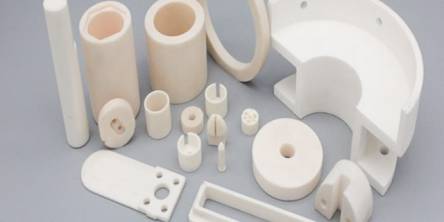
A worn guide, an overheated insulator, or a component that reacts with a cleaning solution can disrupt an otherwise reliable machine. These problems often begin with a material choice that was reasonable during development but becomes unsuitable under actual operating conditions.
Learn about HVAC sheet metal fabrication, including its key processes, materials, applications, and benefits for efficient heating and cooling systems.
Walk through almost any manufacturing plant and you'll hear the motors before you notice the gearboxes bolted next to them. That's kind of the point
Learn how prepainted steel panels resist corrosion, scratches, UV exposure, forming stress, and finish inconsistency in home appliance manufacturing.
Learn how to choose the right food powder manufacturing grinder by comparing grinding capacity, precision, efficiency, durability, and processing needs.

Electric cables are among the most critical parts of any construction. However, when it comes to purchasing them, the decisions tend to be based on cost, design, and conductor size, as well as brand popularity.

In an era of supply chain realignment and accelerating technological change, precision manufacturing has emerged as a critical competitive differentiator for businesses across the industrial spectrum
Avoid seven common industrial agitator selection mistakes involving tank size, viscosity, impellers, motor power, materials, maintenance, and suppliers.