

8 Practical Ways to Organize Your Manufacturing Business More Efficiently

An efficiently operating manufacturing business involves more than making good products. Good organization is key to keeping costs under control, meeting deadlines, ensuring quality, and reacting promptly to changes. Small savings can yield significant results if done consistently throughout the production process by leveraging inventory management, staffing, technology, and other routine activities. The eight tips listed below will help you to organize your manufacturing business effectively.
Increase Production Throughput
The idea of boosting production throughput is not always about making people work faster. Rather, you should analyze the efficiency of material flow, machine utilization, labor, and information flows through the production process. Look for bottlenecks affecting production capacity, such as long changeover times, machine downtime, ineffective plant layout, and delays between operations. Production scheduling could be changed to avoid unnecessary disruption, and preventive maintenance would help keep machines running smoothly. Methods such as standardized operations, improved layout of workstations, and reduced batch sizes could help lower cycle times. Pay attention to key performance indicators like number of units produced, cycle time, machine downtime, and equipment effectiveness.
Create Clear and Consistent Workflows
Proper workflow structures enable workers to have a consistent framework within which to perform regular tasks. Begin by identifying all the different phases involved, starting from the acquisition of raw materials, through processing, testing, packing, to delivery. Unnecessary tasks, bottlenecks, overlapping tasks, and task delays should be identified. Standards of operation can then provide clear guidelines for each task. Guidelines can be provided visually through checklists and process documentation. Process documentation needs to be updated frequently due to changes in equipment, customer needs, personnel, and production volume. A streamlined process reduces confusion and allows employees to spend more time on productive work.
Improve Inventory Management
Good inventory management will avoid the problems that may cost the company money, such as having excess inventory or not having enough materials. Manufacturers need to keep up with their inventories and have an inventory record which indicates the amount of materials currently in stock, incoming supplies, their rate of use, and reordering requirements. Classifying materials on the basis of importance and consumption can help in determining those materials that need close attention. Set proper inventory levels of important materials but not excessive stock of those materials that are rarely used. Inventory counts will show any discrepancies between the record and reality.
Invest in the Right Software
Current manufacturing activities produce large volumes of data, justifying the need for software that works well. Proper systems can help to integrate many processes like production planning, inventory management, procurement, scheduling, costing, and others into one more coordinated process. It is important not to choose a system on the basis of its features but to consider the issues that the company faces. Managers should choose the best MRP software solution that aligns with production requirements, integrates with existing systems, supports accurate forecasting, and remains practical for employees to use. Proper implementation also involves employees’ training and good procedures. When technology helps in sharing information rather than complicating the process, managers have more accurate information at their disposal.
Organize the Production Floor
An orderly production floor will increase the level of safety, efficiency, and communication at once. Evaluate the arrangement of machinery, work stations, tools, materials, and goods that have been produced. The things that are often used need to be placed in an easy-to-access location, while all other unnecessary movements should be avoided. Methods of lean organization, such as the 5S system, may help a lot in organizing, sorting out, cleaning, standardizing, and maintaining the area. The storage places and passageways could be marked to make the work environment navigable. A convenient way of putting the tools back in place when their job is done would help a lot as well.
Strengthen Communication Between Teams
Manufacturing requires collaboration among various departments like purchasing, manufacturing, quality assurance, sales, maintenance, and logistics. Failure to communicate properly could lead to errors, late deliveries, too much stock, or an unplanned stop in production processes. Communication channels should be set up for the exchange of crucial information. Also, people should be appointed to communicate changes. Quick meetings could be conducted to solve urgent matters, and a dashboard of the schedule, stock level, and production targets would help keep everyone updated. Issues should be reported immediately before they turn into bigger problems. Consistent communication creates better coordination and helps everyone understand how individual responsibilities contribute to broader business objectives.
Train Employees and Cross-Train Key Roles
Employees with skills play a very important role in ensuring an effective manufacturing process. Workers can be trained to be conversant with machinery, safety rules, quality measures, computerized systems, and new techniques of production. Employees can also be cross-trained to undertake several duties. This will be beneficial, especially in case of an absentee, an increase in demand for production, and when there are some duties which need a lot of attention. Training is not meant to be done only once but should be a repetitive process. This can be done through refresher training, demonstration, mentoring, and performance appraisal. Investment in employees can highlight weaknesses in operations because experienced workers often have valuable insights into processes that could be improved.
Monitor Performance and Continually Improve
Effective organization undergoes constant evaluation rather than radical change. Set criteria that will indicate how the company performs in terms of production volume, order processing, defects, machine idle time, inventories, deliveries, and expenses. Check these numbers on a regular basis in order to find any trends and problems that occur regularly. When you see a problem, try to understand what causes it, instead of simply dealing with its symptoms. Ask employees for suggestions because those who are in direct contact with the machines and the production process are more likely to spot some flaws that management might miss.
To summarize, manufacturing organizations with efficient operations, information, people, and technology can achieve effective results. With these eight strategies implemented step by step and analyzed in terms of their impact on business, manufacturers will create an organization that can be highly productive and ready for development.
Similar Articles
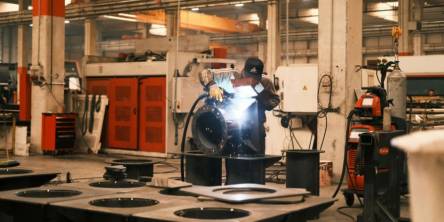
Learn how to design closed die forging with the right parting lines, draft angles, and critical details to improve manufacturability, quality, and efficiency.
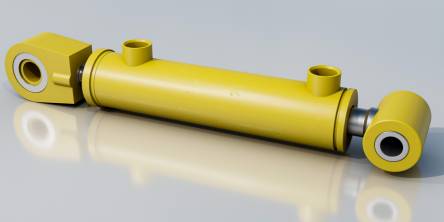
Spot the top 7 warning signs your heavy equipment needs hydraulic cylinder repair, from oil leaks to drift, and learn when to book an inspection.
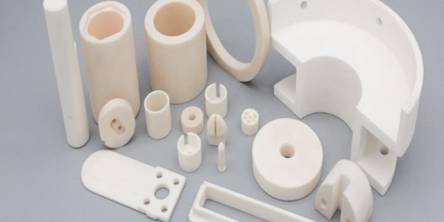
A worn guide, an overheated insulator, or a component that reacts with a cleaning solution can disrupt an otherwise reliable machine. These problems often begin with a material choice that was reasonable during development but becomes unsuitable under actual operating conditions.
Learn about HVAC sheet metal fabrication, including its key processes, materials, applications, and benefits for efficient heating and cooling systems.
Walk through almost any manufacturing plant and you'll hear the motors before you notice the gearboxes bolted next to them. That's kind of the point
Learn how prepainted steel panels resist corrosion, scratches, UV exposure, forming stress, and finish inconsistency in home appliance manufacturing.
Learn how to choose the right food powder manufacturing grinder by comparing grinding capacity, precision, efficiency, durability, and processing needs.

Electric cables are among the most critical parts of any construction. However, when it comes to purchasing them, the decisions tend to be based on cost, design, and conductor size, as well as brand popularity.

In an era of supply chain realignment and accelerating technological change, precision manufacturing has emerged as a critical competitive differentiator for businesses across the industrial spectrum