

Increasing Production Throughput: The Strategic Implementation of Laser Marking Systems
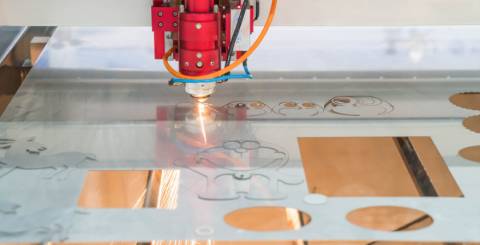
Laser marking systems have emerged as an essential tool for modern manufacturing processes, driving efficiency and enhancing production throughput. As industries adopt Industry 4.0 technologies, the need for faster, more accurate, and more reliable marking solutions becomes increasingly important. Traditional methods such as inkjet printing and labeling have limitations that can result in downtime, inefficiency, and increased costs. In contrast, laser marking systems provide a highly effective solution to these problems, delivering consistent quality, reducing errors, and improving traceability.
This article will explore how laser marking systems increase production throughput, highlighting the shift from traditional methods to automated solutions and the benefits these systems offer.
What is Laser Marking?
Laser marking is the process of using a laser beam to engrave, etch, or mark a material surface. It creates permanent markings on products, such as serial numbers, logos, QR codes, or text, which can be read with high precision. Laser marking systems are increasingly being adopted in various industries, including automotive, electronics, food packaging, and pharmaceuticals.
Traditional Methods vs. Laser Marking Systems
Traditional methods such as inkjet printing and labeling often come with drawbacks. These include:
- Downtime: Inkjet printers require frequent maintenance and refill, leading to production stoppages.
- Inconsistent Quality: Ink-based methods can produce blurry or uneven markings, especially on complex surfaces.
- Environmental Impact: Traditional inks may contain harmful chemicals and require disposal, raising environmental concerns.
In comparison, automated laser marking solutions eliminate these challenges, offering faster, more reliable, and more environmentally friendly alternatives.
Read more: The Intricacies of CNC Turning and Its Operational Mechanics
The Role of Automated Marking Solutions in Industry 4.0
Industry 4.0 represents the fourth industrial revolution, where automation, data exchange, and advanced manufacturing technologies are transforming the production landscape. Within this context, automated marking solutions play a critical role in enhancing production throughput and efficiency.
Benefits of Automated Laser Marking
- Reduced Downtime: Traditional marking systems often experience delays due to maintenance, ink refill, or misprints. Laser marking systems, however, require minimal maintenance, reducing downtime significantly. This leads to more continuous production cycles and higher throughput.
- Improved Traceability: Traceability is essential in industries like pharmaceuticals and food packaging, where product tracking is a regulatory requirement. Laser marking systems can easily create readable codes that remain intact throughout the product's lifecycle, while a nutrition label maker turns recipe and serving data into compliant Nutrition Facts panels for food packaging, ensuring products are traceable from production to distribution.
- Faster Production Speed: Automated laser marking machines can mark thousands of items per minute without compromising quality. This is a significant improvement over traditional methods, which often slow down production due to manual operations and error correction.
- Higher Precision and Quality: Unlike inkjet printing, which can result in blurry or faded marks, laser marking produces sharp, clear, and durable marks. The precision of laser marking ensures that each product is marked exactly as required, improving product quality and reducing errors.
- Cost Efficiency: While the initial investment in a laser marking system may be higher, the long-term cost savings are significant. Reduced downtime, fewer material defects, and lower maintenance costs make laser marking a cost-effective solution in the long run.
Integration with Other Automated Systems
Laser marking systems can be seamlessly integrated with other automated systems in a production line. For example, they can be linked with robotic arms, conveyors, and production management software, further optimizing the production process. Real-time data feedback from laser marking systems can be used to monitor quality control, adjust production speed, and track product performance throughout the manufacturing process.
Example of Automated Marking Solutions in Action
A prime example of automated laser marking improving production throughput can be seen in the automotive industry. Many manufacturers now use laser marking for precise part identification, which is essential for assembly and quality control. By implementing laser marking solutions, manufacturers can quickly mark thousands of components with serial numbers, barcodes, and logos, ensuring accurate tracking and traceability. This results in higher production speeds, fewer errors, and enhanced product quality.
Why Choose Automated Marking Solutions?
The shift towards automated marking solutions has been accelerated by the need for greater efficiency and cost-effectiveness in modern manufacturing. These systems not only boost production throughput but also improve the overall manufacturing process, enabling businesses to meet the demands of Industry 4.0.
For businesses looking to stay competitive in a rapidly evolving market, embracing automated laser marking systems is essential. You can learn more about these innovative solutions and how they can transform your production line by exploring more about automated marking solutions.
Conclusion
The implementation of automated laser marking systems is a key strategy in increasing production throughput, reducing downtime, and improving traceability in modern manufacturing. As industries continue to embrace the advancements of Industry 4.0, these systems offer a reliable, precise, and cost-effective solution to traditional marking methods. By adopting automated laser marking solutions, manufacturers can ensure higher efficiency, better quality, and enhanced production capabilities.
Similar Articles
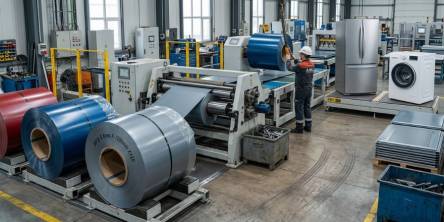
Learn how prepainted steel panels resist corrosion, scratches, UV exposure, forming stress, and finish inconsistency in home appliance manufacturing.
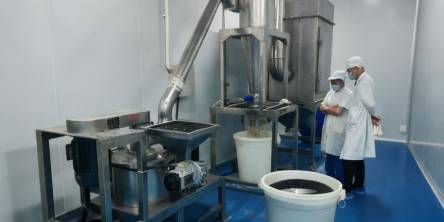
Learn how to choose the right food powder manufacturing grinder by comparing grinding capacity, precision, efficiency, durability, and processing needs.

Electric cables are among the most critical parts of any construction. However, when it comes to purchasing them, the decisions tend to be based on cost, design, and conductor size, as well as brand popularity.

In an era of supply chain realignment and accelerating technological change, precision manufacturing has emerged as a critical competitive differentiator for businesses across the industrial spectrum
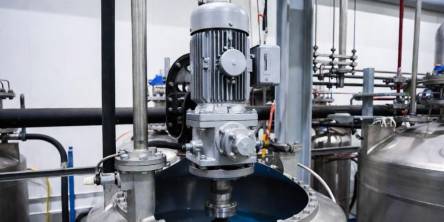
Avoid seven common industrial agitator selection mistakes involving tank size, viscosity, impellers, motor power, materials, maintenance, and suppliers.
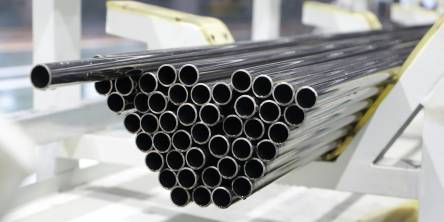
Pick a stainless steel pipe based on three things: the grade, the wall thickness, and the working environment. Get these three right, and the pipe lasts for decades.
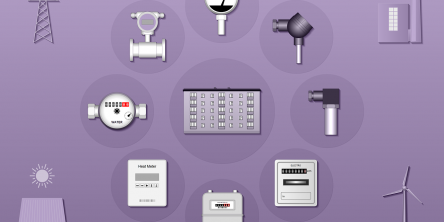
The right pressure sensor matches four things: pressure range, media type, accuracy, and output signal. Get these four right, and the sensor will last for years.
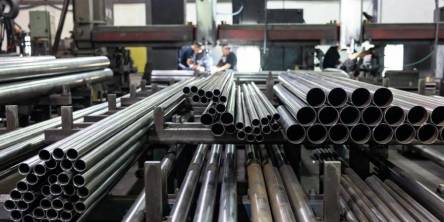
Learn how to choose precision steel tubes for hydraulic, automotive, and industrial applications, including material grade, tolerance, surface treatment, strength, and supplier selection.
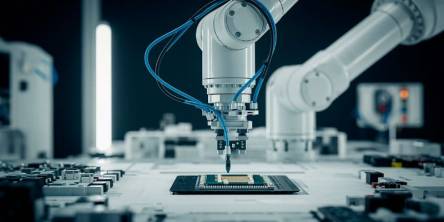
The printed circuit board industry is undergoing one of the most transformative periods in its history