

IoT in Construction: Applications and Advantages

The integration of Internet of Things (IoT) technology into the construction and real estate sectors, which include buildings, infrastructure, homes, and businesses, is predicted to increase dramatically in the future. Despite this predicted expansion, the construction industry is behind other industries in terms of IoT adoption. As IoT becomes increasingly popular in construction, it is transforming industry practices by providing stakeholders with real-time insights into many stages of the development process, from planning to post-construction maintenance.
Construction businesses are encouraged to embrace IoT and digitalization for a variety of reasons, including increased profitability, lower margins, fewer schedule overruns, and simplified complexity. In today's business context, when data and information are invaluable assets, choices should be based on data-driven insights.
The Role of IoT In Construction
The role of IoT in the construction sector is to use technologically advanced devices and equipment to maximize resource utilization through strategic planning and controlled expenditures while avoiding hazards. The construction industry's dynamic nature needs the use of new methods, procedures, and technologies to increase efficiency and address existing difficulties.
Applications of IoT in Construction:-
- Sensors:- Various types of sensors play a crucial role in enhancing management efficiency by activating in predefined states and generating alarms when necessary. These sensors can monitor factors such as humidity, temperature, and pressure, providing real-time data to alert management of potential issues requiring prompt attention.
- Wearables:- Wearable technologies are employed by construction workers, especially laborers, to enhance safety. These devices can alert workers when they approach hazardous zones and track their location in case of emergencies. Equipped with the necessary hardware, wearables connect to a central server, acting as a control center for real-time instructions.
- Maintenance Systems:- Tools like Bimba aid in tracking real-time machine downtime and data on construction sites, contributing to efficient maintenance planning.
- Real-Time Site Map:- Technologies providing real-time maps of construction sites help in locating and monitoring workers, ensuring their safety, and preventing unauthorized access to specific zones.
Benefits of IoT in Construction:-
- Safety Concerns:- IoT in construction significantly improves worker safety by utilizing real-time location-tracking devices and movement detectors on heavy machinery. In case of emergencies, notifications can be issued to workers, allowing them to take immediate measures.
- Resources Management and Budgeting:- IoT facilitates real-time tracking and budgeting, ensuring optimal utilization of resources and adherence to project budgets.
- Waste Management:- IoT helps in developing sustainable waste management strategies by promoting the use of recycled materials and minimizing environmental impact.
- Daily Remote Management:- Remote monitoring of construction sites allows project leaders to track progress and assess the project's status in real-time, enhancing overall efficiency.
Challenges Addressed by IoT in Construction
The construction industry faces challenges such as on-time project delivery, safety concerns, skills, and labor shortages. IoT solutions contribute to addressing these challenges by improving project estimation accuracy, enhancing safety protocols, and automating tasks to compensate for labor shortages.
Future of IoT in the Construction Industry
Companies like Trimble, Pillar Technologies, and ES Track are at the forefront of developing and deploying IoT devices for the construction industry. Despite the slow adoption of IoT in construction, the future appears promising, with increasing recognition of the potential benefits among construction company owners. You can work with a specialist IoT application development services company to get support for your IoT project. McKinsey highlights the need for the industry to embrace new technologies like IoT for improved growth and efficiency.
In conclusion, the integration of IoT in construction brings about transformative changes, offering solutions to long-standing challenges and paving the way for a more efficient and technologically advanced construction industry. As awareness and adoption increase, construction companies are likely to experience improved productivity, safety, and overall project success.
Similar Articles

The app development market has evolved significantly over the past decade or so. Its impact on business has been equally consequential.

Offshore IT hiring means recruiting IT professionals who work from another country or region. Companies commonly use this approach for software development, QA, IT support, DevOps, cybersecurity, data, and project management.

By 2026, moving to the cloud is no longer merely a competitive advantage. It is a business necessity. Every organization across the broad spectrum of industries will be challenged to become more agile.
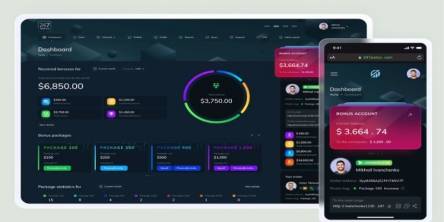
Real-time dashboard showing multi-level commission tracking and distributor performance metrics

Digital transformation initiatives are no longer unheard of in the corporate world. As a matter of fact, it is also well known that companies expanding their digital footprint tend to run into crippling legacy apps.

The financial aid office has become one of the most operationally strained departments on the modern U.S. campus. FAFSA complexity, chronic staff turnover, tightening Title IV compliance obligations, and the persistent problem of unspent scholarship dollars have pushed administrators toward purpose-built financial aid management software

The demand for software delivery has never been higher. Applications must be delivered faster and on a scale like never before.
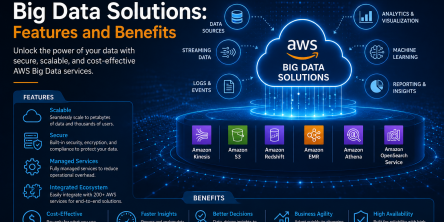
Modern businesses produce large amounts of data daily. Be it from customer transactions, Internet of Things (IoT) sensors, or countless other such sources.

Businesses today need to ship new software faster than ever. That's not news, of course. Anyway, because of the demands on businesses, new solutions are being built on top of micro-services, serverless functions, etc.