

What Is Offshore IT Hiring?

Offshore IT hiring means recruiting IT professionals who work from another country or region. Companies commonly use this approach for software development, QA, IT support, DevOps, cybersecurity, data, and project management. Unlike simply outsourcing a project, offshore hiring can mean building an integrated remote team that works closely with your internal employees. The outline emphasizes that successful hiring depends on the role, hiring model, communication process, and management structure—not just location.
Common Offshore IT Roles
Software developers, QA engineers, DevOps specialists, data analysts, cybersecurity professionals, IT support staff, and offshore backend developers are all potential offshore hires. The best candidates should be evaluated according to the actual requirements of the position rather than simply their location.
Why Companies Choose Offshore IT Talent
Access to Global Talent
The biggest advantage is access to a much wider talent pool. Recent 2026 recruitment data illustrates the scale of this market: Sagan analyzed 130,298 candidate applications and 3,132 hiring requests, with the Philippines generating the largest application volume in its dataset.
Offshore hiring can also provide specialized skills, faster team expansion, cost efficiencies, and time-zone coverage. However, lower labor costs should be treated as one factor—not the entire hiring strategy.
What Actually Works in Offshore IT Hiring
Hire for Skills, Not Just Cost
Choosing the cheapest candidate can create expensive problems later through rework, training, missed deadlines, or turnover. Look at technical ability, communication, reliability, problem-solving, and experience with your technology stack. Sagan's 2026 data also shows why role-based budgeting matters: candidate-reported expected monthly pay had a $2,000 overall median, while engineering roles had a $3,000 median.
Build a Structured Hiring Process
Start with a clear job description, consistent screening criteria, technical assessments, and interviews. Practical tests should reflect the actual work rather than relying on unnecessarily complicated challenges. Strong onboarding and documentation then help new hires understand your tools, workflows, coding standards, and expectations.
What Doesn't Work
Hiring Based Only on Price
A low rate looks attractive until poor-quality work starts consuming your team's time. Recruitment, management, training, software, equipment, compliance, and turnover can all affect the true cost of offshore IT hiring. Compare the overall value of a candidate instead of treating hourly or monthly compensation as the only metric.
Ignoring Communication and Time Zones
Even an excellent developer can struggle if your team cannot collaborate effectively. Define communication channels, response-time expectations, overlapping working hours, and escalation procedures before work begins. Sagan reports that requests requiring U.S.-hours overlap represented 79.3% of hiring requests, showing how important time-zone compatibility can be.
Offshore IT Hiring Models
Direct Hiring and Staffing
Companies can hire international workers directly, work with an offshore staffing provider, outsource projects to an IT services company, or use an Employer of Record. Each model provides a different balance of control, speed, administration, and flexibility. The right choice depends on whether you need an individual specialist, an extended team, or a completed project.
What to Get Right Before You Start
Define Roles and Expectations
Before posting a job, establish exactly what you need. Define responsibilities, essential skills, working hours, employment type, budget, and measurable outcomes. Also decide whether offshore hiring is intended to reduce costs, access specialized talent, increase capacity, or support long-term growth through strategies such as incentive and loyalty programs.
Prepare Your Internal Team
Your offshore hire should not feel like someone working on an island. Assign a manager, prepare system access and documentation, and explain how local and offshore employees will collaborate. Strong integration creates ownership and accountability while reducing the communication gaps that often hurt distributed teams.
How to Manage an Offshore IT Team
Set clear deadlines, responsibilities, communication expectations, and performance goals. Use regular check-ins, but focus on outcomes rather than monitoring whether someone is constantly online. The goal is to make offshore employees part of the core team, not a separate workforce operating in the background.
How to Measure Offshore Hiring Success
Track practical metrics such as time to hire, time to productivity, retention, delivery times, quality, errors, cost per hire, and team satisfaction. If your original goal was access to specialized expertise, for example, simply measuring payroll savings will not tell you whether the strategy worked.
Common Offshore IT Hiring Mistakes
The most common problems include hiring solely on price, vague job descriptions, weak technical screening, poor onboarding, unclear responsibilities, inadequate documentation, and weak cybersecurity practices. Treating offshore employees as separate from the main team can also damage collaboration and retention.
Final Takeaway
Successful offshore IT hiring starts before you publish a job description. Define the role, choose the right hiring model, establish communication expectations, protect company systems, and prepare your internal team. The best offshore strategy is not about finding the cheapest talent—it is about building the right team structure for your business.
FAQs
Is offshore IT hiring cheaper?
It can reduce labor costs, but total expenses depend on the role, hiring model, management, equipment, compliance, and turnover.
Which IT roles work well offshore?
Software development, QA, IT support, DevOps, cybersecurity, data, and other remote-friendly technical roles can work well.
What are the biggest challenges?
Communication, time zones, security, quality control, compliance, and team integration are among the biggest concerns.
How do you find reliable offshore talent?
Use structured screening, technical assessments, interviews, references, and clearly defined job requirements.
Should you use a staffing provider?
A staffing provider can simplify sourcing and administration, but companies should compare providers based on talent quality, transparency, support, and overall value.
Similar Articles

Running a restaurant involves much more than taking orders and serving food.

Field sales teams handle numerous responsibilities every day. Sales representatives travel between customer locations, conduct meetings, collect orders, record information, and report their activities to managers.

The app development market has evolved significantly over the past decade or so. Its impact on business has been equally consequential.

By 2026, moving to the cloud is no longer merely a competitive advantage. It is a business necessity. Every organization across the broad spectrum of industries will be challenged to become more agile.
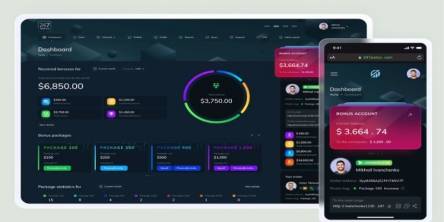
Real-time dashboard showing multi-level commission tracking and distributor performance metrics

Digital transformation initiatives are no longer unheard of in the corporate world. As a matter of fact, it is also well known that companies expanding their digital footprint tend to run into crippling legacy apps.

The financial aid office has become one of the most operationally strained departments on the modern U.S. campus. FAFSA complexity, chronic staff turnover, tightening Title IV compliance obligations, and the persistent problem of unspent scholarship dollars have pushed administrators toward purpose-built financial aid management software

The demand for software delivery has never been higher. Applications must be delivered faster and on a scale like never before.

Modern businesses produce large amounts of data daily. Be it from customer transactions, Internet of Things (IoT) sensors, or countless other such sources.