

Key Factors to Consider When Choosing an App Modernization Partner

Digital transformation initiatives are no longer unheard of in the corporate world. As a matter of fact, it is also well known that companies expanding their digital footprint tend to run into crippling legacy apps. You see, large traditional applications hurt companies through humongous maintenance fees, abundance of security risks, etc. But today if you want to remain agile and scalable, the answer lies in the modernization of your legacy app stack. Hold on though; as highly recommended as this solution is, the fact remains that application modernization is difficult. Why?
For starters, it demands a lot of resources and can cause great risk to your business if not done properly. Technical knowledge and strategy are what will make or break your modernization efforts. This makes vendor selection extremely important when undertaking such projects. Choose the wrong partner and you will soon be staring down the tunnel to go over budget, disrupting day to day business operations, and so much more. But pick the right partner and your business is sure to see a solid ROI. So how do you know which IT services company is right for you? By knowing what to look for.
In this blog, I will discuss the key factors and essential questions about how to choose the right app modernization partner.
Essentials of How to Choose the Right App Modernization Partner
Choosing the right application modernization partner is critical to transforming legacy systems without disrupting business operations. Beyond technical expertise, organizations must evaluate a partner’s industry experience, modernization approach, technology capabilities, security practices, and ability to align solutions with long-term business goals. Here are the essential factors to consider before making the right choice.
Here are some of the important steps;
- Evaluate expertise: Be sure that they have experience in legacy refactorization and not just general programming knowledge. Ask to see proof of knowledge. It would serve you well to remember that an experienced partner should be well-versed in rehosting/lift and shift, platforming, re-architecting, full re-writes, etc. Inquire about experience with decomposing programs to microservices, containerization with Docker and Kubernetes. Throw in some questions about implementing CI/CD pipelines. They should have a documented process to help discover your current code, map application dependencies, etc. The point is they should have a mapped process to decide where your program can most safely migrate for the least cost.
- Assess their understanding of your business goals: A technology upgrade that doesn’t meet your business objectives is a costly and unnecessary endeavor. This is why selecting a partner who considers your business needs when making technology decisions is crucial. During discovery conversations, see if the vendor inquiries about what drives revenue for your business, how you want your customers to experience your product or service, etc. They should be able to articulate how certain architecture changes will benefit KPIs. Oh, and they should also understand your industry enough to foresee pain points specific to your market.
- Validate track record: The goal here is to ensure the vendor has the experience of successfully delivering complex projects on schedule and budget. Ask for case studies of prior modernization projects that are similar in size to your application and fall within your industry. Obtain references directly from clients to understand the vendor's performance.
- Review their technology stack: Dig into their experience with legacy languages and databases. You must also ask about their knowledge of modern frameworks, cloud platforms, etc. Furthermore, inquire about what automated tooling they utilize. Partners that have heavy investment in automated migration and code conversion tooling will save you manual development hours and speed up delivery.
- Look for a collaborative approach: Application modernization is not a linear process. It should be iterative and closely aligned between your internal teams and the vendor's development team. So, seek out a partner that uses agile software development methodologies and approaches the project in sprints. This way your internal teams can validate functionality along the way and pivot as needed without derailing the overall timeline.
- Understand support and maintenance offerings: The process isn’t complete at code deployment into production. You must consider the operational lift needed to maintain and keep the application performing well after deployment. Review the vendor’s SLAs around maintenance after go live. Your vendor should have processes in place to support knowledge transfer and training for your internal IT teams to become proficient at supporting the new application.
Final Words
Choosing the right application modernization partner is as much a business decision as a technology one. The ideal partner combines proven technical expertise, industry understanding, collaboration, and long-term support. By carefully evaluating these factors, organizations can reduce modernization risks, control costs, minimize disruption, and build a scalable foundation for sustained digital growth. That sums up how you can find a trusted application modernization services provider. Go on and start looking, then.
Similar Articles

Running a restaurant involves much more than taking orders and serving food.

Field sales teams handle numerous responsibilities every day. Sales representatives travel between customer locations, conduct meetings, collect orders, record information, and report their activities to managers.
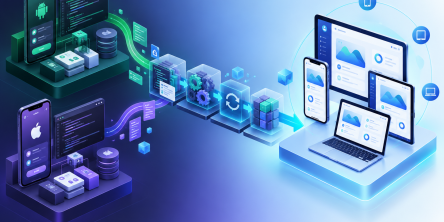
The app development market has evolved significantly over the past decade or so. Its impact on business has been equally consequential.
Offshore IT hiring means recruiting IT professionals who work from another country or region. Companies commonly use this approach for software development, QA, IT support, DevOps, cybersecurity, data, and project management.

By 2026, moving to the cloud is no longer merely a competitive advantage. It is a business necessity. Every organization across the broad spectrum of industries will be challenged to become more agile.
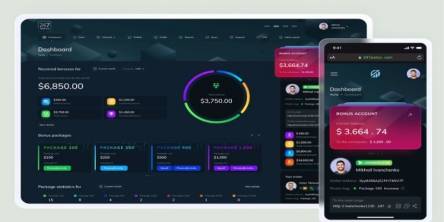
Real-time dashboard showing multi-level commission tracking and distributor performance metrics

The financial aid office has become one of the most operationally strained departments on the modern U.S. campus. FAFSA complexity, chronic staff turnover, tightening Title IV compliance obligations, and the persistent problem of unspent scholarship dollars have pushed administrators toward purpose-built financial aid management software
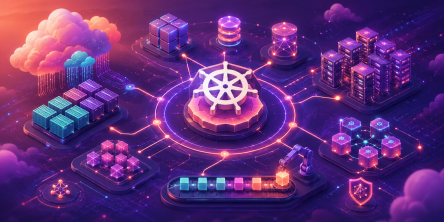
The demand for software delivery has never been higher. Applications must be delivered faster and on a scale like never before.
Modern businesses produce large amounts of data daily. Be it from customer transactions, Internet of Things (IoT) sensors, or countless other such sources.