

Can Adults Benefit From Dental Sealants?
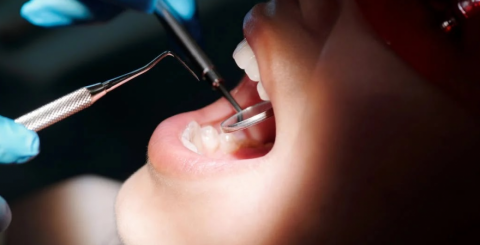
Dentists successfully use dental sealants to prevent patients' teeth from serious deterioration in many cases. This inexpensive prophylactic medication is usually recommended for younger children, but it can also benefit adults. Several dentists recommend sealants for adults with healthy teeth who are approaching middle and senior age. While a wide range of people may be ideal candidates for this operation, understanding the intended use and acceptable settings is critical for a successful outcome.
Potential Сandidates For This Procedure
Dental sealants, according to the American Dental Association, can reduce tooth decay by up to 80%. Sealants are suitable for people of all ages due to their simple application technique and general durability. As long as a person meets the standards, a dentist may propose this therapy to protect their teeth. If you are interested, just search “dental sealants near me” and discover if you qualify for them.
Children
Cavities become a greater issue as a child's permanent teeth begin to emerge. Children are less likely to practice proper dental hygiene and are more prone to ingest sugary meals and beverages, which can lead to tooth decay. Because of the deep grooves that can trap and contain bacteria, molars are especially prone to cavities. As a result, many dentists recommend sealing children's molars whenever they appear above the gum line, around the age of six, and again around the age of twelve.
Adults
The dangers of tooth decay can be reduced once a person learns excellent oral hygiene habits and knows the health advantages of a nutritious diet. A dentist may recommend sealants to an adult patient for a variety of reasons. Individual tooth shapes and structures may be especially vulnerable to decay. Furthermore, saliva production decreases with age and might be increased by some drugs. Adequate saliva production is critical in the battle against bacteria and disease in the mouth. In such cases, sealants can help safeguard healthy teeth.
What Is the Procedure for Getting Your Teeth Sealed?
This treatment is straightforward to implement and maintain. It is crucial to note, however, that sealants are not indicated for implants or teeth with the following issues:
- Existing deterioration;
- Fillings;
- Crowns;
- Bridges.
Most doctors advise only using this method on healthy, natural teeth.
Function and Application
First, a dentist cleans the tooth completely and applies an acidic gel to establish a suitable base for the sealant to cling to. After preparing the teeth, a thin coating of composite plastic material is put and contoured over the area. Finally, the sealant is hardened and fixed in place using a blue dental curing light. The entire procedure is non-invasive and painless.
The artificial surface prevents food particles, liquids, and microorganisms from entering the tooth's deep crevices. As a result, decay is less likely to occur, allowing the patient to retain proper dental health. While some individuals may not require this basic covering, others may benefit from the increased protection.
Should You Take Extra Precautions With the Sealants?
You will be able to eat, drink, and brush your teeth normally immediately after obtaining dental sealants. There is no need for specific treatment. However, you should continue to practice good oral hygiene by brushing your teeth twice a day and flossing once a day. Remember that dental sealants offer additional protection but do not make you immune to tooth decay.
Furthermore, dental sealants endure about 10 years, so you will need to have them updated after that period.
Aside from good oral hygiene and dental sealants, you should restrict your sugar intake to avoid tooth decay because sugars tend to remain on the surface of your teeth and are eaten by harmful bacteria.
The bottom line
Although dental sealants are more common in school-aged children, persons of all ages can benefit from this form of preventative therapy. A dentist can advise a patient on whether this procedure should be included in their treatment plan.
Similar Articles
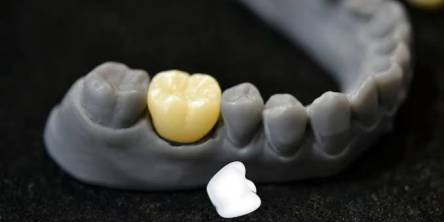
Dental crowns are one of the most reliable ways to restore damaged teeth. Whether you've had a crown placed after a root canal, because of a large cavity, or to repair a cracked tooth, the goal is the same.
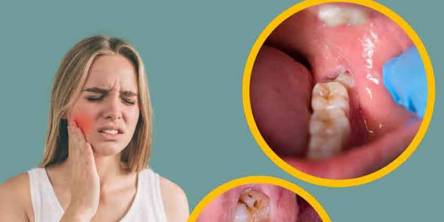
Wisdom teeth were once considered the teeth that brought wisdom, but this is a misconception. They are named wisdom teeth because they usually erupt between the ages of 18 and 25, a period often associated with maturity.

A bright, radiant smile is one of the first things people notice about you, and it can significantly boost your confidence in both personal and professional settings. Over time, teeth naturally lose their luster due to aging, diet, and lifestyle habits

Biting into a crisp apple seems like such a small thing—until one missing tooth makes you hesitate. Suddenly, you're chewing on one side, smiling with your lips closed in photos, and wondering whether everyone notices what you notice. Replacing a missing tooth isn't just about appearance
Gum disease is one of the leading causes of tooth loss in adults. Many people do not realize how serious it can become because the early symptoms often seem minor.

One day, you're biting into a sandwich without a second thought. Next, you're chewing on one side, avoiding mirrors, or wondering when smiling became something you overthink.

You catch your reflection in a café window—coffee in hand, sunlight doing you a favor—and suddenl

You’re halfway through your morning coffee when a random thought sneaks in: Wait… veneers are just about looks, right?

Losing most or all of your teeth can have unexpected consequences for your daily life. Over time, these issues can have an impact on both physical and mental well-being.