

6 Life-Changing Benefits of Dental Implants

Missing teeth affects much more than how your smile looks. They change how you chew, speak, and even how your jaw functions over time. When a tooth is gone, the surrounding teeth begin to shift, the jawbone starts to weaken, and daily activities like eating can become uncomfortable. Many people also feel less confident smiling or talking. Dental implants were developed to solve these problems in a long-term, reliable way. They are now considered one of the most effective options for replacing missing teeth and restoring normal mouth function.
1. Dental implants help preserve your appearance and facial structure
One of the most important benefits of dental implants is their ability to support your jawbone. When a tooth is missing, the bone underneath no longer receives stimulation and begins to shrink. Over time, this can cause changes in facial shape, such as sunken lips, a weaker jawline, and deeper lines around the mouth. Dental implants replace the tooth root, which helps keep the bone active and strong. This support helps maintain your natural facial structure and keeps your smile looking balanced and healthy. Even replacing a single tooth with an implant can make a noticeable difference, especially in visible areas of your mouth.
2. Dental implants provide stable and long-lasting results
Dental implants are designed to become part of your jawbone. Once the implant heals and integrates, it provides a strong foundation for a dental crown. This stability allows you to chew, speak, and smile without worrying about movement or discomfort. While every patient’s treatment timeline is different, implants often reduce the need for future repairs or replacements compared to bridges or dentures. With proper oral care and regular dental visits, implants can last for many years, making them a dependable solution for tooth loss.
3. Dental implants protect your healthy, natural teeth
Unlike dental bridges, implants do not require nearby teeth to be altered or shaved down. When healthy teeth are modified to support a bridge, enamel is permanently removed, which can increase the risk of decay and sensitivity. Partial dentures can also place pressure on surrounding teeth and gums, sometimes causing irritation or gum recession. Dental implants stand on their own and do not rely on other teeth for support. This helps preserve the health and structure of your remaining natural teeth while maintaining a more natural bite.
4. Dental implants improve comfort and daily function
Dental implants function like natural teeth, allowing you to eat a wider variety of foods without pain or worry. They do not shift or loosen, and they eliminate the need for adhesives commonly used with dentures. Speaking becomes easier, and you can smile with confidence knowing your teeth are secure. Many patients report that implants feel more natural than removable options, making everyday activities more comfortable. This level of stability often leads to better eating habits and improved overall oral health.
5. Dental implants support a better quality of life
Living with missing teeth or unstable restorations can be frustrating. Dental implants simplify daily routines by eliminating the need to remove dentures, clean adhesives, or adjust loose appliances. They also help maintain a balanced bite, which can reduce jaw discomfort and uneven tooth wear. Feeling comfortable with your smile often improves confidence in social and professional settings. Over time, these changes can have a positive impact on both physical comfort and emotional well-being.
6. Dental implants are a flexible solution for many patients
Dental implants can be used to replace a single tooth, multiple teeth, or even support full-arch restorations. Treatment plans are customized based on your oral health, bone structure, and personal needs. A dental evaluation helps determine whether implants are appropriate and whether additional steps, such as bone support procedures, are needed. This personalized approach allows implants to be adapted to many different situations while maintaining predictable results.
The bottom line
Dental implants offer a reliable way to replace missing teeth while supporting long-term oral health. They help maintain jawbone strength, protect natural teeth, improve comfort, and restore normal function. If you are missing teeth and want a stable, natural-looking solution, dental implants are worth discussing with your dental provider.
Similar Articles
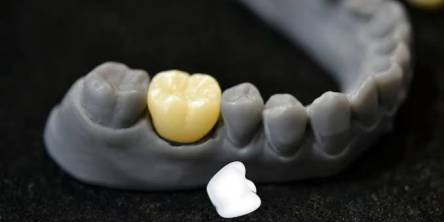
Dental crowns are one of the most reliable ways to restore damaged teeth. Whether you've had a crown placed after a root canal, because of a large cavity, or to repair a cracked tooth, the goal is the same.
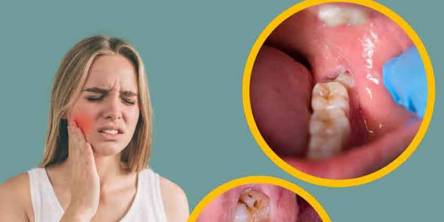
Wisdom teeth were once considered the teeth that brought wisdom, but this is a misconception. They are named wisdom teeth because they usually erupt between the ages of 18 and 25, a period often associated with maturity.

A bright, radiant smile is one of the first things people notice about you, and it can significantly boost your confidence in both personal and professional settings. Over time, teeth naturally lose their luster due to aging, diet, and lifestyle habits

Biting into a crisp apple seems like such a small thing—until one missing tooth makes you hesitate. Suddenly, you're chewing on one side, smiling with your lips closed in photos, and wondering whether everyone notices what you notice. Replacing a missing tooth isn't just about appearance

Gum disease is one of the leading causes of tooth loss in adults. Many people do not realize how serious it can become because the early symptoms often seem minor.

One day, you're biting into a sandwich without a second thought. Next, you're chewing on one side, avoiding mirrors, or wondering when smiling became something you overthink.

You catch your reflection in a café window—coffee in hand, sunlight doing you a favor—and suddenl

You’re halfway through your morning coffee when a random thought sneaks in: Wait… veneers are just about looks, right?

Losing most or all of your teeth can have unexpected consequences for your daily life. Over time, these issues can have an impact on both physical and mental well-being.