

Am I a Candidate For Full Mouth Dental Implants?

Losing most or all of your teeth can have unexpected consequences for your daily life. Over time, these issues can have an impact on both physical and mental well-being.
Modern dentistry provides long-term solutions that feel more natural and secure. Understanding who could benefit from this form of treatment is a critical first step before making any decisions.
What Are Full Mouth Implants?
Full mouth dental implants are a sophisticated dental procedure that replaces a full row of lost teeth in the upper or lower jaw, or both. Rather than replacing each tooth individually, a modest number of dental implants are inserted into the jawbone.
These implants operate as solid anchors for a full set of fixed replacement teeth, restoring the contour and function of your smile. The replacement teeth are meticulously crafted to look and feel like genuine teeth. Because they are securely linked to the implants, they remain in position when eating and speaking.
Many patients select full mouth restoration with dental implants because they eliminate the need for loose, removable dentures, resulting in a more solid and comfortable experience. With proper maintenance, this procedure can boost confidence and make everyday activities like chewing and talking feel more natural.
Who Could Be A Good Candidate For Full Mouth Implants?
- People missing most or all of their teeth
This therapy is usually advised for those who have already lost the majority or all of their teeth. It may also be appropriate for people who have teeth but have been advised they can't be salvaged owing to damage or infections. Replacing all teeth at once is sometimes more practical than treating each troublesome tooth individually.
- Patients struggling with dentures
Many denture users have continuous discomfort. Dentures can move during eating or speaking, rubbing against the gums and causing sores.
- Adults with good overall health
Good overall health is essential for successful healing following a dental implant procedure. Most healthy adults are suitable candidates. Conditions such as managed diabetes do not usually preclude treatment, but they should be discussed openly with the dentist to ensure optimal planning and care.
Why Does Bone Density Matter?
Dental implants require a robust jawbone for support. When teeth are absent over an extended period of time, the jawbone may gradually decrease as a result of the lack of pressure from chewing. This bone loss can have an impact on the stability of implants.
Dentists employ imaging scans to determine bone levels and whether the jaw is strong enough for implants, so selecting the best dentist is critical for precise assessment and long-term success.
When Bone Grafting Can Help
Even if bone loss has occurred, there may still be therapy options. Bone grafting is a treatment used to restore parts of the jaw when bone has deteriorated. This additional step can provide a stronger foundation for implants. While it lengthens the treatment duration, it permits more people to become candidates than they might anticipate.
Gum Health and Dental Care Habits
Dentists employ imaging scans to determine bone levels and whether the jaw is strong enough for implants, so selecting the best dentist is critical for precise assessment and long-term success.
Lifestyle Factors That Affect Candidacy
Smoking and Healing
Smoking can slow the body's healing process. It reduces blood flow to the gums and jawbone, which are required for implant recovery. Smokers may face an elevated risk of difficulties. Dentists commonly recommend reducing or quitting smoking before and after treatment to improve faster healing.
Medical Conditions To Discuss
Some medical conditions may affect how the body heals after implant placement. Immune system diseases or uncontrolled health issues may require more care and preparedness. These difficulties may not always exclude treatment, but open conversation with the dental team is necessary to design a safe strategy.
The bottom line
Choosing a full-mouth tooth replacement option is a big decision that can impact your comfort, confidence, and everyday routines. A suitable candidate is someone who is missing most or all of their teeth, has good bone and gum health, and is prepared to take care of their new smile.
A thorough evaluation helps determine whether this treatment is a good fit and what actions are required. Speaking with an experienced dental staff can help consumers seeking direction and clear information feel more in control of the process.
Similar Articles
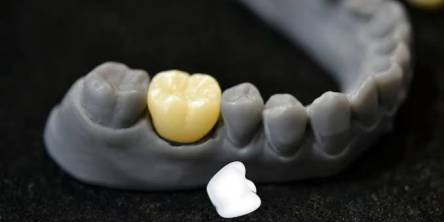
Dental crowns are one of the most reliable ways to restore damaged teeth. Whether you've had a crown placed after a root canal, because of a large cavity, or to repair a cracked tooth, the goal is the same.
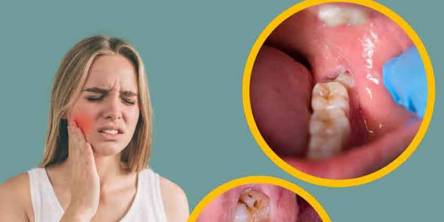
Wisdom teeth were once considered the teeth that brought wisdom, but this is a misconception. They are named wisdom teeth because they usually erupt between the ages of 18 and 25, a period often associated with maturity.

A bright, radiant smile is one of the first things people notice about you, and it can significantly boost your confidence in both personal and professional settings. Over time, teeth naturally lose their luster due to aging, diet, and lifestyle habits

Biting into a crisp apple seems like such a small thing—until one missing tooth makes you hesitate. Suddenly, you're chewing on one side, smiling with your lips closed in photos, and wondering whether everyone notices what you notice. Replacing a missing tooth isn't just about appearance
Gum disease is one of the leading causes of tooth loss in adults. Many people do not realize how serious it can become because the early symptoms often seem minor.

One day, you're biting into a sandwich without a second thought. Next, you're chewing on one side, avoiding mirrors, or wondering when smiling became something you overthink.

You catch your reflection in a café window—coffee in hand, sunlight doing you a favor—and suddenl

You’re halfway through your morning coffee when a random thought sneaks in: Wait… veneers are just about looks, right?

Children's dental health plays a crucial role in their overall well-being and development. Many parents mistakenly believe that baby teeth don't require special care since they will fall out anyway.