

Tooth Extraction: Procedure, Pain, and Recovery Explained

Dental procedures that involve removing a tooth are quite common, although many patients approach them with hesitation. Whether it’s caused by severe decay, impacted wisdom teeth, or trauma, a tooth extraction may be necessary to maintain overall oral health. Understanding the procedure, potential pain, and recovery process can help patients feel prepared and confident. Modern dentistry uses advanced techniques and anesthesia to minimize discomfort. Proper care before, during, and after the extraction ensures faster healing and reduces the risk of complications, making the experience smoother for patients.
Key Considerations Before a Tooth Extraction
Every extraction is unique. The type of tooth, complexity, and patient’s dental health all influence the procedure and recovery. Being informed helps patients take proper steps and reduces anxiety.
Important Points to Know About Tooth Extraction
- Simple vs. Surgical Extractions – Simple extractions remove teeth visible above the gum, while surgical extractions address impacted or broken teeth requiring minor surgery.
- Pain Management – Dentists use local anesthesia for basic procedures, while sedation or general anesthesia may be applied for more complicated cases or anxious patients.
- Recovery Guidelines – Managing swelling, following oral hygiene instructions, and dietary adjustments are key for smooth healing and preventing infection.
These factors prepare patients for what to expect and ensure proper post-procedure care.
What is Tooth Extraction
Tooth extraction is the dental procedure of removing a tooth from its socket in the jawbone. It is usually recommended when the tooth is damaged beyond repair, poses infection risks, or affects alignment.
Common Reasons for Tooth Extraction
Tooth extraction is necessary for a variety of dental issues, including severe decay, infection, impacted wisdom teeth, and trauma. It also helps create space for orthodontic treatments and prevents damage to surrounding teeth. Early intervention protects overall oral health and prevents complications.
The Tooth Extraction Procedure
Tooth extraction is carefully performed under sterile conditions to ensure patient safety and comfort. The procedure varies depending on whether it’s simple or surgical.
Step-by-Step Process
The dentist will first examine the tooth and may take X-rays to assess its position and plan the extraction. Local anesthesia is applied to numb the area, and in complex cases, sedation may be used. For a simple extraction, the dentist loosens and removes the tooth. Surgical extractions may involve minor incisions or sectioning the tooth. After removal, gauze is applied to control bleeding, and patients receive instructions for pain management, oral hygiene, and diet. Modern techniques aim to minimize trauma and promote faster healing.
Managing Pain and Discomfort
Most post-extraction discomfort is manageable with proper care. Ice packs, elevation, and pain medications help alleviate swelling and soreness. Avoiding strenuous activity, smoking, and spitting for the first 24–48 hours is essential to protect the blood clot and promote healing.
Recovery Timeline and Healing
Healing after a tooth extraction generally follows a predictable timeline:
- First 24 Hours – Blood clot formation occurs, and swelling may be present. Gauze helps control bleeding.
- 2–3 Days – Swelling peaks then start to decrease. Soft foods are recommended.
- 1 Week – Pain subsides, and stitches, if used, may dissolve or be removed.
- 2 Weeks – Soft tissue heals, allowing a gradual return to normal oral hygiene routines.
Following dentist instructions carefully ensures proper healing and prevents complications such as infection or dry socket.
Diet and Oral Care After Extraction
Proper diet and hygiene are critical for recovery. Stick to soft foods like yogurt, mashed potatoes, or soup, avoid hot or crunchy foods, and rinse gently with warm saltwater after 24 hours. Brushing and flossing should be resumed carefully around the extraction site as advised by the dentist.
When to Contact Your Dentist
Certain symptoms may indicate complications and require immediate attention:
- Severe or worsening pain beyond normal discomfort
- Prolonged or excessive bleeding
- Swelling that increases after 48 hours
- Signs of infection, including fever or pus at the extraction site
Prompt consultation ensures timely intervention and prevents long-term issues.
Final Thoughts
Tooth extraction, when performed by a qualified dentist, is a safe and effective way to address dental issues that cannot be resolved with other treatments. Understanding the procedure, managing pain, and following proper recovery guidelines ensures a smooth healing process. Modern clinics, like Nuffield Dental, provide expert care, advanced techniques, and clear guidance for patients undergoing extractions. Early planning, proper preparation, and attentive aftercare allow patients to recover comfortably and maintain healthy oral health.
Frequently Asked Questions
1. How long does a tooth extraction procedure take?
Simple extractions usually take 20–40 minutes, while surgical extractions may take longer depending on complexity and anesthesia used.
2. Is tooth extraction painful?
With local anesthesia, the procedure is generally painless. Mild discomfort may occur after anesthesia wears off, which is manageable with pain medication and proper care.
3. How long does it take to recover fully from a tooth extraction?
Most soft tissue healing occurs within 1–2 weeks, while complete bone healing may take several months, depending on the complexity of the extraction.
4. What foods should I avoid after a tooth extraction?
Avoid hard, crunchy, spicy, or hot foods, as well as alcohol, smoking, or using straws, which can dislodge the blood clot and delay healing.
5. Can tooth extraction affect my other teeth?
When performed correctly, extraction prevents complications like infection or overcrowding and protects surrounding teeth. Follow-up care may be recommended to maintain alignment and oral health.
Similar Articles

If your teenager needs orthodontic treatment, you may be considering Invisalign instead of traditional braces.

Brushing and flossing every day are the foundation of good oral hygiene, but they cannot always remove everything that builds up on your teeth. Plaque can collect around the gumline and in areas that are difficult to reach.
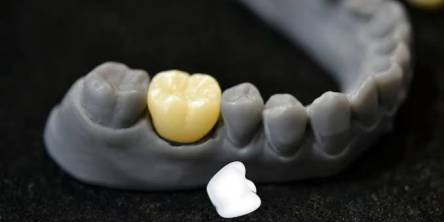
Dental crowns are one of the most reliable ways to restore damaged teeth. Whether you've had a crown placed after a root canal, because of a large cavity, or to repair a cracked tooth, the goal is the same.
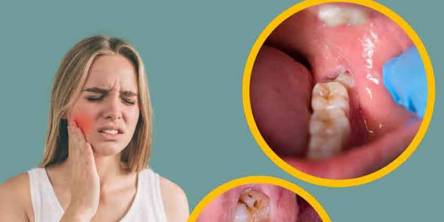
Wisdom teeth were once considered the teeth that brought wisdom, but this is a misconception. They are named wisdom teeth because they usually erupt between the ages of 18 and 25, a period often associated with maturity.

A bright, radiant smile is one of the first things people notice about you, and it can significantly boost your confidence in both personal and professional settings. Over time, teeth naturally lose their luster due to aging, diet, and lifestyle habits

Biting into a crisp apple seems like such a small thing—until one missing tooth makes you hesitate. Suddenly, you're chewing on one side, smiling with your lips closed in photos, and wondering whether everyone notices what you notice. Replacing a missing tooth isn't just about appearance

Gum disease is one of the leading causes of tooth loss in adults. Many people do not realize how serious it can become because the early symptoms often seem minor.

One day, you're biting into a sandwich without a second thought. Next, you're chewing on one side, avoiding mirrors, or wondering when smiling became something you overthink.

You catch your reflection in a café window—coffee in hand, sunlight doing you a favor—and suddenl