

Top 5 Dental Treatments for Kids

Children's dental health plays a crucial role in their overall well-being and development. Many parents mistakenly believe that baby teeth don't require special care since they will fall out anyway. However, this is not true. The condition of baby teeth directly influences the development of permanent teeth, bite, and even speech development. Regular visits to the pediatric dentist and timely preventative and treatment measures help avoid many problems later in life. In this article, we have gathered five of the best dental treatments for children.
1. Professional teeth cleaning
Professional teeth cleaning is one of the most important and common treatments in pediatric dentistry. Even if a child brushes their teeth regularly at home, plaque accumulates on the enamel over time, and hard deposits called tartar can form.
During a professional teeth cleaning, your dentist gently removes plaque and tartar using special instruments and safe products. The tooth surface is then polished, which makes the enamel smoother and prevents the accumulation of bacteria. Regular dental cleanings prevent cavities, gum disease, and bad breath. Dentists generally recommend this treatment once or twice a year, depending on the condition of your child's teeth.
2. Fissure sealants
Fissure sealants are an effective preventative measure that protects children's teeth from cavities. Fissures are the natural grooves on the chewing surfaces of teeth. Food particles and bacteria often accumulate in these grooves. During the treatment, your dentist applies a special sealant that fills the grooves and forms a barrier against bacteria. The sealant hardens quickly and is virtually invisible.
Fissure sealants are particularly beneficial for newly erupted permanent molars. These teeth have deep grooves that are difficult to reach with a regular toothbrush. Sealing them significantly reduces the risk of cavities. You can search for "pediatric dentist near me" to find an experienced and qualified specialist in your area.
3. Cavity treatment
Tooth decay is one of the most common dental problems in children. It is caused by bacteria that attack the enamel and form cavities in the tooth. In its early stages, tooth decay often causes no pain, which is why parents frequently don't notice it. Left untreated, however, it can progress rapidly and lead to nerve inflammation or even tooth loss.
Treatment for tooth decay in children is usually carried out using the gentlest methods. The dentist removes the affected tooth tissue and fills the resulting cavity with a special filling material. Modern materials are safe, durable, and can be color-matched to the tooth. Early treatment helps preserve teeth and prevents more serious complications.
4. Fluoride treatment
Fluoride treatment is a preventative measure to strengthen tooth enamel. Fluoride is an important mineral that makes tooth enamel more resistant to acids and bacteria. During treatment, a special fluoride gel, varnish, or solution is applied to the tooth surface. It is quickly absorbed by the tooth enamel and helps restore its structure.
Fluoridation is particularly beneficial for children with an increased risk of cavities. The treatment takes only a few minutes and is completely painless. Regular fluoride treatments can significantly reduce the risk of cavities and increase resistance to damage.
5. Correcting the bite with orthodontic appliances
Misaligned teeth are a common problem in children. They can be caused by genetic factors, bad habits (such as thumb sucking), or premature loss of baby teeth. Incorrect bite development can lead to uneven stress on the teeth, chewing problems, and even speech impediments.
Dentists use various orthodontic appliances to correct a bite. In early childhood, these can be removable plates or special splints. They gently guide jaw growth and help the teeth assume the correct position. Early orthodontic treatment at the pediatric dentistry center can often prevent more complex procedures later in adolescence.
The bottom line
A child's dental health depends significantly on timely preventative care and regular dental checkups. Professional teeth cleaning, fissure sealants, fluoride treatments, and early caries treatment protect teeth from cavities and maintain a beautiful smile. It's important to know that pediatric dentistry encompasses not only treatment but also prevention. Regular dental checkups and careful dental care are essential for a child's oral health.
Similar Articles
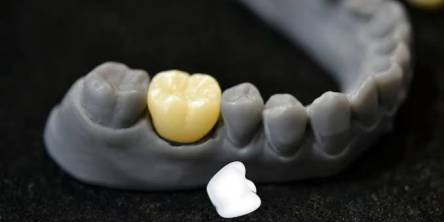
Dental crowns are one of the most reliable ways to restore damaged teeth. Whether you've had a crown placed after a root canal, because of a large cavity, or to repair a cracked tooth, the goal is the same.
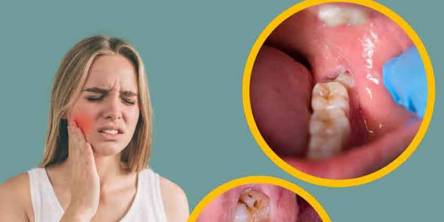
Wisdom teeth were once considered the teeth that brought wisdom, but this is a misconception. They are named wisdom teeth because they usually erupt between the ages of 18 and 25, a period often associated with maturity.
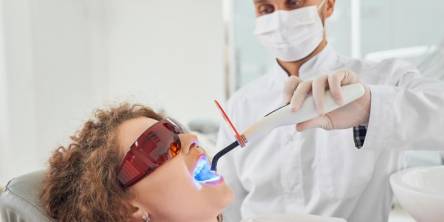
A bright, radiant smile is one of the first things people notice about you, and it can significantly boost your confidence in both personal and professional settings. Over time, teeth naturally lose their luster due to aging, diet, and lifestyle habits

Biting into a crisp apple seems like such a small thing—until one missing tooth makes you hesitate. Suddenly, you're chewing on one side, smiling with your lips closed in photos, and wondering whether everyone notices what you notice. Replacing a missing tooth isn't just about appearance

Gum disease is one of the leading causes of tooth loss in adults. Many people do not realize how serious it can become because the early symptoms often seem minor.

One day, you're biting into a sandwich without a second thought. Next, you're chewing on one side, avoiding mirrors, or wondering when smiling became something you overthink.

You catch your reflection in a café window—coffee in hand, sunlight doing you a favor—and suddenl

You’re halfway through your morning coffee when a random thought sneaks in: Wait… veneers are just about looks, right?

Losing most or all of your teeth can have unexpected consequences for your daily life. Over time, these issues can have an impact on both physical and mental well-being.