

Pediatric Dentist vs General Dentist: Which Is Right for Your Child

Choosing the right dental care for your child is an important decision that can shape their long-term oral health and comfort with dental visits. While both pediatric dentists and general dentists provide valuable services, their training and approach can differ significantly. Understanding these differences helps parents make informed choices based on their child’s age, needs, and personality. The following points explore key factors to consider when deciding which option is best for your child:
1. Specialized training focused on children
Pediatric dentists receive additional years of education beyond dental school that focus specifically on treating infants, children, and adolescents. This training includes child development, behavior management, and age-specific dental conditions. General dentists are trained to treat patients of all ages, but they do not receive the same depth of child-focused instruction. This specialized background allows pediatric dentists to recognize developmental issues early and tailor care to a child’s unique stage of growth.
2. Child-friendly environment and accessibility
One of the biggest differences parents notice is the atmosphere. Pediatric dental offices are designed to help children feel relaxed and safe, often featuring colorful decor and kid-friendly language. Parents searching for pediatric dentistry near me usually value these environments because they reduce anxiety and encourage cooperation. A welcoming setting, combined with staff trained to work with children, can make dental visits smoother and more positive, especially for younger or nervous patients.
3. Experience with child behavior and anxiety
Many children feel nervous about dental visits, particularly during their first appointments. Pediatric dentists are trained in behavior guidance techniques that help children feel at ease without the use of force or pressure. They know how to explain procedures in simple terms and adjust their approach based on a child’s reactions. While general dentists may treat children occasionally, pediatric dentists handle these situations daily, which often leads to a calmer experience for both the child and parent.
4. Focus on preventive care and early education
Preventive care is a major emphasis in pediatric dentistry. Pediatric dentists spend time teaching children and parents about proper brushing, flossing, and diet habits. They also monitor tooth development closely to identify issues such as crowding or bite problems early. This proactive approach helps prevent larger concerns later. General dentists also provide preventive care, but pediatric dentists are specifically trained to adapt education techniques to a child’s age and understanding.
5. Equipment and techniques designed for children
Dental tools and treatment methods can vary depending on the patient. Pediatric dental offices use smaller instruments, child-sized chairs, and techniques suited to young mouths. This attention to physical comfort can make procedures feel less intimidating. Pediatric dentists also stay up to date on materials and methods designed for primary teeth. While general dentists have versatile equipment, pediatric-focused tools help ensure comfort and precision during treatment.
6. Understanding of growth and development changes
Children’s mouths change rapidly as they grow. Pediatric dentists are trained to track these changes and recognize patterns that may require attention. This includes monitoring jaw development, spacing, and the transition from baby teeth to permanent teeth. Early detection allows for timely referrals or preventive steps. General dentists can identify issues as well, but pediatric dentists focus exclusively on growth-related dental development.
7. Long-term comfort and positive dental habits
Early dental experiences often influence how children feel about dental care as adults. A positive and supportive environment helps build trust and reduces fear over time. Pediatric dentists aim to create gentle, encouraging experiences that promote lifelong oral health habits. When children feel understood and comfortable, they are more likely to attend regular checkups and care for their teeth properly. This foundation can make a lasting difference in their overall dental health.
Similar Articles
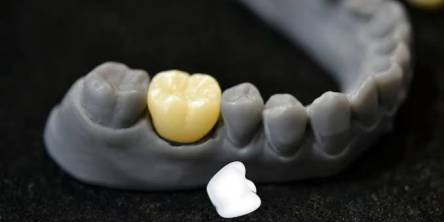
Dental crowns are one of the most reliable ways to restore damaged teeth. Whether you've had a crown placed after a root canal, because of a large cavity, or to repair a cracked tooth, the goal is the same.
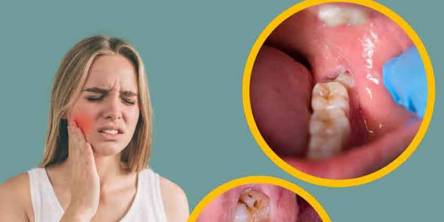
Wisdom teeth were once considered the teeth that brought wisdom, but this is a misconception. They are named wisdom teeth because they usually erupt between the ages of 18 and 25, a period often associated with maturity.

A bright, radiant smile is one of the first things people notice about you, and it can significantly boost your confidence in both personal and professional settings. Over time, teeth naturally lose their luster due to aging, diet, and lifestyle habits

Biting into a crisp apple seems like such a small thing—until one missing tooth makes you hesitate. Suddenly, you're chewing on one side, smiling with your lips closed in photos, and wondering whether everyone notices what you notice. Replacing a missing tooth isn't just about appearance

Gum disease is one of the leading causes of tooth loss in adults. Many people do not realize how serious it can become because the early symptoms often seem minor.

One day, you're biting into a sandwich without a second thought. Next, you're chewing on one side, avoiding mirrors, or wondering when smiling became something you overthink.

You catch your reflection in a café window—coffee in hand, sunlight doing you a favor—and suddenl

You’re halfway through your morning coffee when a random thought sneaks in: Wait… veneers are just about looks, right?

Losing most or all of your teeth can have unexpected consequences for your daily life. Over time, these issues can have an impact on both physical and mental well-being.