

Why Retainers Are Your Ultimate Smile Safeguard
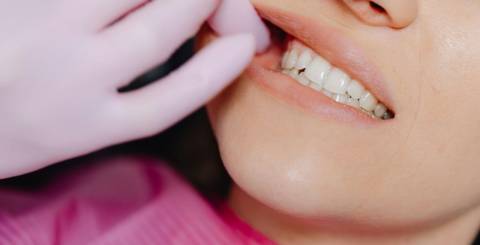
Achieving a straight, confident smile is a journey that requires a significant commitment of time, effort, and financial resources. After months or even years of wearing braces or clear aligners, the moment your treatment concludes is cause for celebration. However, many patients overlook the most critical phase of their orthodontic journey: the maintenance phase. To protect the investment you have made in your dental health, it is essential to consistently wear your post treatment retainers to ensure your teeth remain in their ideal positions for a lifetime. This simple habit acts as a safeguard, protecting the hard work of your orthodontic team and the financial dedication you provided to reach this milestone.
The Investment of Orthodontics
Orthodontic treatment is rarely a whim. For most people, it involves years of planning, multiple consultations, and a significant financial layout. Whether you chose traditional metal braces or modern clear aligners, you likely spent thousands of dollars to correct crowding, gaps, or bite misalignments. Beyond the money, there is the "time cost." You attended countless appointments, adjusted your diet, dealt with temporary discomfort, and meticulously cleaned your appliances.
When you look at orthodontics through this lens, it becomes clear that your new smile is a high-value asset. Just as you would insure a new car or a home, your smile requires a form of protection. Without a retainer, that asset is at risk. The biological reality of human anatomy is that teeth are not fixed permanently into the jawbone like posts in concrete; they are held by periodontal ligaments that have a "memory" of where the teeth used to be.
The Science of Relapse: Why Teeth Move
To understand why a retainer is so vital, one must understand the physiology of tooth movement. During orthodontic treatment, your teeth are moved into new positions by applying constant, gentle pressure. This pressure causes the bone around the roots of the teeth to remodel. Osteoclasts break down bone in the direction of the movement, while osteoblasts build new bone behind the tooth to fill the gap.
Once the active phase of treatment ends and the braces or aligners are removed, the bone and ligaments surrounding your teeth are still in a state of flux. They are not yet fully hardened or "set" in their new locations. The periodontal ligaments are elastic fibers; they have spent years in one position and naturally want to pull the teeth back toward their original, crooked state. This phenomenon is known as orthodontic relapse.
Without the support of a retainer, the teeth will almost immediately begin to shift. This movement is often subtle at first, perhaps a slight overlap of the bottom front teeth or a tiny gap opening where one used to be. However, over months and years, these small shifts can accumulate until the teeth are significantly out of alignment once again.
The Retainer as Your Smile’s Safeguard
We often think of "protection" in terms of emergency coverage or backups. In the world of dental health, your retainer serves that exact purpose. By wearing it as directed, you are investing a very small amount of daily effort to avoid the massive frustration—and cost—of needing retreatment later.
Imagine the disappointment of spending two years in braces, only to find five years later that your teeth have drifted so much that you need to start the process all over again. This happens more often than people realize. Many adults seeking clear aligner therapy today are actually "relapse patients" who had braces as teenagers but didn't stick with their retainers. They are now undergoing a second round of treatment that could have been entirely avoided with simple, consistent maintenance.
A retainer ensures that the results you worked for remain permanent. It holds the teeth in place while the bone settles and the ligaments adapt to their new alignment. Over time, the frequency of wear may decrease, but the necessity never truly disappears. Using your retainer is the only way to guarantee that your hard-earned results continue to shine through a beautiful smile and a functional bite for decades to come.
Types of Retainers: Choosing Your Shield
There are several options when it comes to post-treatment protection, and the right choice depends on your lifestyle and your orthodontist’s recommendation.
-
Fixed Retainers: These consist of a thin wire bonded to the back of your teeth, usually the lower front six. Because they are permanent, you do not have to worry about forgetting to wear them. However, they require extra diligence with flossing.
-
Hawley Retainers: This is the traditional "plate" retainer made of acrylic and a metal wire that wraps around the front of the teeth. They are durable and adjustable but are more visible than other options.
-
Clear Plastic Retainers: These look very similar to clear aligners. They are virtually invisible and fit snugly over the entire arch of the teeth. They are highly popular because they are comfortable and do not interfere with your appearance.
Many modern companies now offer direct-to-consumer options for replacement retainers, making it easier than ever to maintain your smile without frequent office visits. Having a spare set is always a wise strategy, ensuring you are never without protection if one set is lost or broken.
The True Cost of Neglect
If you view the retainer as optional, you are essentially gambling with your money and time. The cost of a new set of retainers is a fraction of the cost of a full course of orthodontic treatment. If you lose your retainer and wait six months to replace it, your teeth may have already moved enough that the new retainer will not fit. At that point, you might require "refinement" aligners to move the teeth back, which adds further expense.
Beyond the financial aspect, there is the emotional toll. A straight smile is linked to higher self-esteem and confidence in social and professional settings. Watching that smile slowly fade due to neglect can be a source of significant regret.
Maintenance and Care
To ensure your smile safeguard remains effective, you must take proper care of the device itself. Retainers should be cleaned daily to prevent the buildup of plaque and bacteria. Using a soft toothbrush and non-abrasive soap or specialized cleaning tablets will keep the material clear and odor-free.
Additionally, always store your retainer in its case whenever it isn’t in your mouth. Many retainers meet an untimely end inside a restaurant napkin or as a curious chew toy for a family pet.
A Lifetime Commitment
The most important takeaway for any orthodontic patient is that retention is a lifelong commitment. While you may eventually only need to wear your retainer a few nights a week, you should never stop entirely. Our bodies change as we age; our jaws narrow and our teeth naturally drift forward. This "physiological drift" happens to everyone, whether they had braces or not. Continuing to use a retainer protects you from these natural aging processes as well as orthodontic relapse.
The end of your alignment treatment is not the finish line; it is the transition to a new phase of care. Your smile is one of your most valuable features, reflecting your health, personality, and confidence. By viewing your retainer as a vital guardian of your results, you respect the investment you have made.
Do not let your smile slip away after all the work you put in to achieve it. Wear your retainer, protect your progress, and enjoy the benefits of a perfect smile for the rest of your life.
Similar Articles
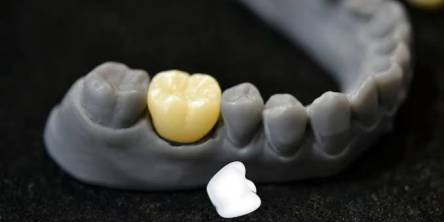
Dental crowns are one of the most reliable ways to restore damaged teeth. Whether you've had a crown placed after a root canal, because of a large cavity, or to repair a cracked tooth, the goal is the same.
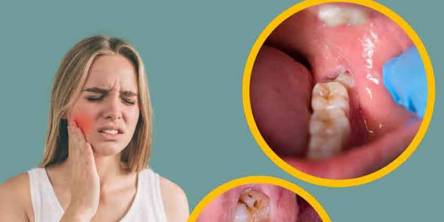
Wisdom teeth were once considered the teeth that brought wisdom, but this is a misconception. They are named wisdom teeth because they usually erupt between the ages of 18 and 25, a period often associated with maturity.
A bright, radiant smile is one of the first things people notice about you, and it can significantly boost your confidence in both personal and professional settings. Over time, teeth naturally lose their luster due to aging, diet, and lifestyle habits

Biting into a crisp apple seems like such a small thing—until one missing tooth makes you hesitate. Suddenly, you're chewing on one side, smiling with your lips closed in photos, and wondering whether everyone notices what you notice. Replacing a missing tooth isn't just about appearance
Gum disease is one of the leading causes of tooth loss in adults. Many people do not realize how serious it can become because the early symptoms often seem minor.
One day, you're biting into a sandwich without a second thought. Next, you're chewing on one side, avoiding mirrors, or wondering when smiling became something you overthink.
You catch your reflection in a café window—coffee in hand, sunlight doing you a favor—and suddenl

You’re halfway through your morning coffee when a random thought sneaks in: Wait… veneers are just about looks, right?

Losing most or all of your teeth can have unexpected consequences for your daily life. Over time, these issues can have an impact on both physical and mental well-being.