

8 Alarming Signs That You Need to Visit a Dentist Immediately

Regular dental check-ups are essential for proper oral health. However, many people tend to neglect them and visit the dentist only in the case of severe symptoms. The point is that severe symptoms usually develop when the condition becomes advanced and have already caused significant damage. In this article, we have gathered eight alarming signs that you need to visit a dentist immediately.
1. You have bleeding gums
If you have noticed that your gums have started to bleed during toothbrushing or on their own, it is essential to make an appointment with your dentist. The point is that gum bleeding is an early sign of gum disease. Other symptoms of this condition include bad breath, gum redness, and receding gums. To prevent the development of severe complications, it is better to treat gum disease as early as possible.
2. You have broken a tooth
A tooth fracture is a quite common issue for both children and adults. You can easily break a tooth while playing sports, eating solid foods, opening packages or bottles, or during an accident. If you have broken a tooth, you need to visit emergency dentistry immediately. The point is that the fracture can reach the roots of the tooth and can cause severe pain that should be eased. It is also essential to restore the damaged part of the tooth.
3. You have a cavity
A cavity, also known as tooth decay, is a hole in the tooth that occurs when the tooth enamel becomes damaged. Tooth decay occurs when the acids (produced by the increased number of bacteria) soften your tooth enamel and wear it out. If left untreated, a cavity can affect the inner layers of the tooth that contain blood vessels and nerve endings. As a result, you may experience severe toothache and even lose a tooth.
4. You have bad breath
Even though there are a lot of factors that can contribute to the development of bad breath, oral issues are deemed the most common causes. For example, gum disease leads to pus between teeth and gum pockets that can make your breath smelly. A dental abscess is an inflammation of the roots of the tooth in which the sac with pus occurs. Additionally, poor oral hygiene that causes many oral issues also leads to bad breath.
5. You have old dental work
If you have lost a tooth filling or have loose dental work, it is essential to visit a dental clinic and replace them as soon as possible. The point is that food particles, dental plaque, and bacteria can accumulate under old dental restorations and lead to bad breath and other complications. Additionally, damaged dental restorations can cause problems with eating and speaking.
6. You have sensitive teeth
Tooth sensitivity is a condition in which the tooth reacts to various irritants with the pain. For example, some people with sensitive teeth experience toothache when they eat sweets while others can have similar symptoms while drinking hot tea. In many cases, increased tooth sensitivity occurs because of enamel damage like tooth decay or enamel erosion. Your dentist can recommend the proper treatment and special toothpaste and/or mouthwash to ease your symptoms.
7. You have loose teeth
There are a lot of factors that can contribute to teeth loosening. The most common of them are gum disease, teeth grinding, and injuries. It is important to understand that without timely and proper treatment, loose teeth can fall off. Treatment options for loose teeth depend on the cause of your condition. For example, if you grind your teeth, your dentist can recommend wearing a mouthguard at night or undergo a bite adjustment to decrease the pressure on your teeth.
8. You have lost a tooth
It is extremely important to understand that a lost tooth should be replaced as soon as possible. The point is that the other teeth can fill the gap that may lead to shifted teeth and facial asymmetry. Additionally, a missing tooth can cause aesthetic issues. You can replace a missing tooth with the help of a dental implant, dental bridge, or partial denture.
Similar Articles
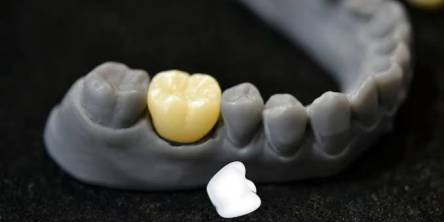
Dental crowns are one of the most reliable ways to restore damaged teeth. Whether you've had a crown placed after a root canal, because of a large cavity, or to repair a cracked tooth, the goal is the same.
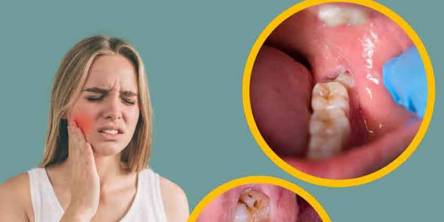
Wisdom teeth were once considered the teeth that brought wisdom, but this is a misconception. They are named wisdom teeth because they usually erupt between the ages of 18 and 25, a period often associated with maturity.
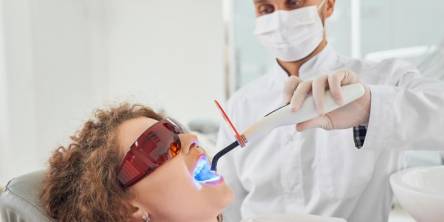
A bright, radiant smile is one of the first things people notice about you, and it can significantly boost your confidence in both personal and professional settings. Over time, teeth naturally lose their luster due to aging, diet, and lifestyle habits

Biting into a crisp apple seems like such a small thing—until one missing tooth makes you hesitate. Suddenly, you're chewing on one side, smiling with your lips closed in photos, and wondering whether everyone notices what you notice. Replacing a missing tooth isn't just about appearance
Gum disease is one of the leading causes of tooth loss in adults. Many people do not realize how serious it can become because the early symptoms often seem minor.

One day, you're biting into a sandwich without a second thought. Next, you're chewing on one side, avoiding mirrors, or wondering when smiling became something you overthink.

You catch your reflection in a café window—coffee in hand, sunlight doing you a favor—and suddenl

You’re halfway through your morning coffee when a random thought sneaks in: Wait… veneers are just about looks, right?

Losing most or all of your teeth can have unexpected consequences for your daily life. Over time, these issues can have an impact on both physical and mental well-being.