

Key Benefits of DevSecOps for Your Organization

The frequency of software releases has reached an all-time high lately. You see, more organizations are migrating to cloud native architectures. They are also incorporating AI powered automation into their workflows. While this acceleration is great, it also frequently creates a stumbling block, i.e. conventional security models cannot keep up with continuous delivery pipelines. When security is treated as a reactive phase, it results in costly bottlenecks and late-stage vulnerability discovery. This can jeopardize both product quality as well as market timing. This issue demands a shift in the development culture. One must prioritize shared responsibility. And by integrating security protocols into the SDLC from the start, companies can then achieve a unified framework. This model is known as DevSecOps, by the way. It is designed to ensure security is an integral part of the delivery process.
In this blog, I will discuss the key benefits of using DevOps services and solutions for your business.
What Refers to as DevSecOps?
It is a software development philosophy that incorporates security practices throughout the DevOps lifecycle. It does this rather than treating security as a final stage of inspection. DevSecOps integrates robust security measures into the process right from the start of the development work. Such a collaborative approach breaks down silos among the teams involved. As a result, rapid software delivery does not compromise infrastructure integrity or data protection.
Why DevSecOps Matters: Important Business Benefits
DevSecOps matters because it embeds security into every development stage, enabling faster releases, reducing vulnerabilities, and minimizing rework. By automating security checks and fostering collaboration, it strengthens compliance, improves product quality, and ensures safer, more efficient software delivery for modern organizations.
Listed are the core benefits of DevSecOps for businesses;
- Better security: DevSecOps transforms this facet of the process from a reactive perimeter approach to a core component of application code and infrastructure. It makes sure to treat security requirements as functional requirements. This way businesses can make sure that every update or new feature adheres to a set of predefined security standards. This way you can reduce the application's attack surface. Not only that, but it also aids the efforts to ensure compliance and data security are consistently maintained across all environments. You know, instead of being addressed only after a breach or audit failure.
- Accelerated application development: One may be rightly inclined to believe that adding security checks would slow things down. But you couldn't be further away from the truth. DevSecOps speeds up development. How, you ask. Well, this impact is realized by reducing rework. You see, in traditional models, a security flaw discovered shortly before release can force developers to rewrite large portions of code. The result is weeks of delays, if not months. With security, a crucial part of the CI/CD pipeline, such issues become easier to deal with. Such a streamlined workflow then empowers teams to release updates more frequently.
- Identification of vulnerabilities early on: Fun fact: this particular benefit is also referred to as "shifting left." The goal is to find flaws during the design and coding phases. Identifying vulnerabilities early makes them significantly less expensive and easier to fix. This avoids the snowball effect, wherein a minor early error turns into a major architectural flaw later.
- Automated testing: To keep up with the speed related expectations in software development, DevSecOps relies heavily on automation. Security tools such as Static Application Security Testing and software composition analysis are integrated into the build process. When a developer commits code, these tools will automatically scan it for known vulnerabilities, insecure dependencies, etc. This does away with the human error associated with manual reviews. Additionally, it makes sure that no code goes into production without passing a standardized security battery.
Final Words
DevSecOps empowers organizations to deliver secure, high quality software at speed. By integrating security early and automating key checks, businesses strengthen resilience, reduce risks, and pave the way for faster, safer digital innovation. There you have it, folks: some of the many, many benefits of DevSecOps. Now all you need to get started is hire an experienced DevOps services and solutions provider.
Similar Articles

The app development market has evolved significantly over the past decade or so. Its impact on business has been equally consequential.

Offshore IT hiring means recruiting IT professionals who work from another country or region. Companies commonly use this approach for software development, QA, IT support, DevOps, cybersecurity, data, and project management.

By 2026, moving to the cloud is no longer merely a competitive advantage. It is a business necessity. Every organization across the broad spectrum of industries will be challenged to become more agile.
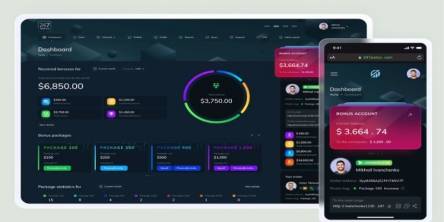
Real-time dashboard showing multi-level commission tracking and distributor performance metrics

Digital transformation initiatives are no longer unheard of in the corporate world. As a matter of fact, it is also well known that companies expanding their digital footprint tend to run into crippling legacy apps.

The financial aid office has become one of the most operationally strained departments on the modern U.S. campus. FAFSA complexity, chronic staff turnover, tightening Title IV compliance obligations, and the persistent problem of unspent scholarship dollars have pushed administrators toward purpose-built financial aid management software
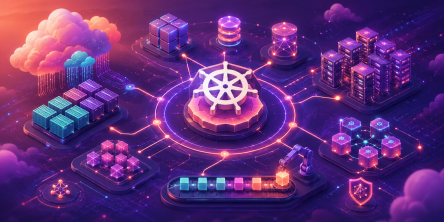
The demand for software delivery has never been higher. Applications must be delivered faster and on a scale like never before.
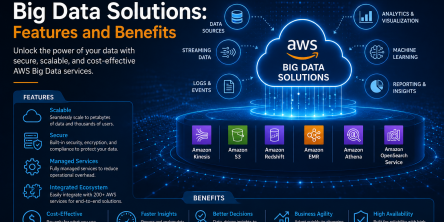
Modern businesses produce large amounts of data daily. Be it from customer transactions, Internet of Things (IoT) sensors, or countless other such sources.

Businesses today need to ship new software faster than ever. That's not news, of course. Anyway, because of the demands on businesses, new solutions are being built on top of micro-services, serverless functions, etc.