

How to Choose the Right Pressure Sensor for Industrial Applications
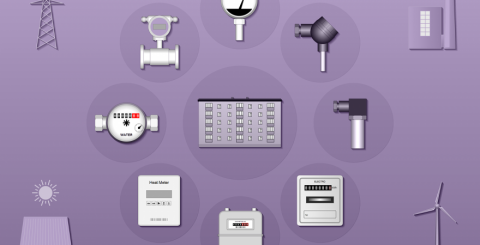
The right pressure sensor matches four things: pressure range, media type, accuracy, and output signal. Get these four right, and the sensor will last for years. Get one wrong, and you risk false readings, downtime, or a burned-out device. The global pressure sensor market hit about $21.78 billion in 2026, and factories keep adding more sensors every year. Automotive plants, oil rigs, and food processing lines all depend on them. This guide breaks down the selection process step by step, so you pick a sensor that fits your process, not just your budget.
What a Pressure Sensor Actually Does
A pressure sensor turns physical pressure into an electrical signal. That signal feeds into a control system, a display, or a data logger. Plants use these readings to control pumps, protect boilers, and catch leaks early. Skip the wrong sensor type, and a plant risks bad data at the worst moment. A tank overflow or a pump failure often traces back to a mismatched sensor.
Read more: Technological Advancements in Automatic & Manual Transmissions
Types of Pressure Sensors
Absolute, Gauge, and Differential Sensors
Three basic types cover most industrial jobs.
- Absolute sensors measure pressure against a perfect vacuum. Vacuum pumps and barometric systems rely on this type. Absolute sensors hold roughly 30% of the global market in 2026, the largest single segment.
- Gauge sensors measure pressure relative to the surrounding atmosphere. Tire pressure gauges and hydraulic systems use this design.
- Differential sensors measure the gap between two pressure points. Filter monitoring and flow measurement depend on differential readings.
Sensing Technologies
Sensors differ by the physical method they use to detect pressure. Piezoresistive sensors lead the market with a 38.76% share in 2025, thanks to strong sensitivity and low cost. Capacitive sensors offer high accuracy for low-pressure applications. Optical sensors post the fastest growth rate, near 10.47% CAGR, for harsh electrical environments where interference ruins other sensors.
Key Factors to Check Before You Buy
Pressure Range
Pick a sensor rated well above your normal operating pressure. A common rule: choose a range where your typical reading sits between 50% and 75% of the full scale. This habit extends sensor life and improves accuracy near the top end.
Accuracy and Repeatability
Accuracy tells you how close a reading sits to the true value. Repeatability tells you how consistent the sensor stays over many cycles. A sensor rated at 0.1% full-scale accuracy costs more than one rated at 1%, but critical processes like pharmaceutical dosing need that tighter number.
Media Compatibility
Check what fluid or gas touches the sensor. Corrosive chemicals, steam, and abrasive slurries all destroy the wrong wetted material fast. Stainless steel diaphragms handle most industrial fluids. Harsh chemical plants often need Hastelloy or tantalum instead.
Environmental Protection (IP Rating)
Outdoor and washdown environments demand a sealed housing. The IEC 60529 standard defines IP codes for dust and water protection. Food plants that hose down equipment daily often specify IP69K, built for high-pressure, high-temperature washdowns.
| IP Rating | Protection Level | Typical Industrial Use |
| IP54 | Dust protected, splash resistant | Indoor factory floors |
| IP65 | Dust tight, low-pressure jets | General outdoor equipment |
| IP67 | Dust tight, temporary immersion | Wet processing areas |
| IP69K | Dust tight, high-pressure washdown | Food and beverage plants |
Output Signal
Match the sensor output to your control system. Common options include 4-20mA current loops, 0-10V voltage signals, and digital protocols like I2C or CAN bus. Long cable runs favor 4-20mA, since it resists electrical noise better than voltage signals.
Certification and Standards
Regulated industries require specific certifications. Oil and gas sites often need ATEX or IECEx ratings for explosive atmospheres. Food and pharma plants look for 3-A Sanitary or FDA-compliant materials.
Comparison at a Glance
| Sensor Type | Best For | Typical Accuracy | Relative Cost |
| Piezoresistive | General industrial, automotive | 0.1% to 1% FS | Low to medium |
| Capacitive | Low-pressure, HVAC | 0.1% to 0.25% FS | Medium |
| Optical | Electrically noisy or hazardous zones | 0.05% to 0.1% FS | High |
| Resonant solid-state | High-precision process control | 0.01% to 0.05% FS | High |
Common Mistakes to Avoid
Buyers repeat a few errors again and again.
- Oversizing the range "just in case," which kills accuracy in normal operation.
- Ignoring the wetted material and picking a sensor that corrodes within months.
- Skipping calibration schedules after installation.
- Choosing the cheapest sensor without checking the total cost of failed readings.
A ten-dollar difference in sensor price rarely matters next to a shutdown caused by bad data.
My Take
Plants overspend on accuracy they never use, and underspend on protection they need every day. A 0.05% accuracy sensor in a dusty, wet plant floor without a proper IP rating fails faster than a 0.5% sensor built for that environment. Match the sensor to the actual conditions first. Chase precision only after that box gets checked. Wireless pressure sensors deserve a closer look too. Growth in this segment runs past 20% CAGR in some forecasts, and retrofitting old plants with wireless nodes avoids costly rewiring.
Frequently Asked Questions
What is the most common type of pressure sensor in industry?
Piezoresistive sensors lead the market, thanks to a strong balance of accuracy, durability, and cost.
How often should a pressure sensor get calibrated?
Most industrial sensors need calibration once a year. High-precision processes, like pharmaceutical manufacturing, often calibrate every three to six months.
Can one pressure sensor work for both liquids and gases?
Many sensors handle both, but the wetted material and seal design must match the specific media. Always confirm compatibility with the manufacturer before installation.
What happens if a sensor range is too high for the application?
Readings lose precision near the low end of the scale. A sensor rated for 1000 PSI will give poor resolution on a process running at 50 PSI.
Is a higher IP rating always better?
Not for cost efficiency. A sensor rated IP69K costs more than one rated IP65. Match the rating to the actual washdown or exposure conditions, not the highest number available.
Final Thoughts
A pressure sensor works only as well as the selection process behind it. Check the pressure range, media, accuracy need, IP rating, and output signal before ordering. Skip one of these steps, and the sensor becomes a weak link in the whole system. Take the time upfront, and the payoff shows up in fewer failures and cleaner data for years.
Similar Articles

Learn how to design closed die forging with the right parting lines, draft angles, and critical details to improve manufacturability, quality, and efficiency.
Spot the top 7 warning signs your heavy equipment needs hydraulic cylinder repair, from oil leaks to drift, and learn when to book an inspection.
A worn guide, an overheated insulator, or a component that reacts with a cleaning solution can disrupt an otherwise reliable machine. These problems often begin with a material choice that was reasonable during development but becomes unsuitable under actual operating conditions.
Learn about HVAC sheet metal fabrication, including its key processes, materials, applications, and benefits for efficient heating and cooling systems.

Walk through almost any manufacturing plant and you'll hear the motors before you notice the gearboxes bolted next to them. That's kind of the point

Learn how prepainted steel panels resist corrosion, scratches, UV exposure, forming stress, and finish inconsistency in home appliance manufacturing.

Learn how to choose the right food powder manufacturing grinder by comparing grinding capacity, precision, efficiency, durability, and processing needs.
Electric cables are among the most critical parts of any construction. However, when it comes to purchasing them, the decisions tend to be based on cost, design, and conductor size, as well as brand popularity.

In an era of supply chain realignment and accelerating technological change, precision manufacturing has emerged as a critical competitive differentiator for businesses across the industrial spectrum