

samual

Samual Alister is work in Aegis Soft Tech. He has very experience person in software Development. Also, wide range of skills across the .Net, CRM, Big Data task. With a prove track the record of working on and leading the enterprise level projects.
Articles from this author

Offshore IT hiring means recruiting IT professionals who work from another country or region. Companies commonly use this approach for software development, QA, IT support, DevOps, cybersecurity, data, and project management.

Road transportation is entering a period of major change. For decades, progress on the road was mainly associated with better engines, improved highways, and safer vehicle designs.

For years, the gold standard of the Indie Hackers community has been Software as a Service (SaaS). We love SaaS because of the margins, the instant feedback loops, and the lack of inventory
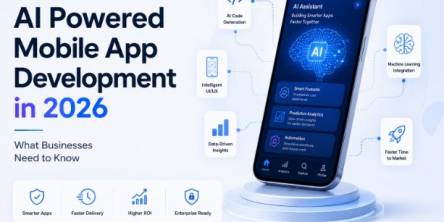
Mobile apps stopped being a "nice to have" years ago. What's changed in 2026 is how they get built and how they behave once they're in users' hands.

AI in HR isn't just a trend anymore. It's already part of how recruitment and other HR work actually gets done.
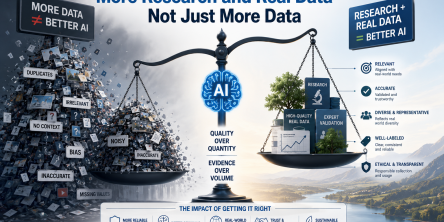
In a world flooded with open data, accuracy — not volume — is what actually drives good decisions.

Cybersecurity has become an essential concern for groups, companies, and as well as people. As cyber threats enhance, security systems also become more sophisticated.

Understanding how to diagnose pavatalgia disease is important for individuals experiencing unexplained symptoms and seeking proper treatment.

Aged claims are one of the most persistent revenue issues in anesthesia. Unlike other specialties where billing cycles are relatively straightforward, anesthesia claims involve time-unit calculations, concurrency rules, and payer-specific modifiers that make disputes and denials more likely.
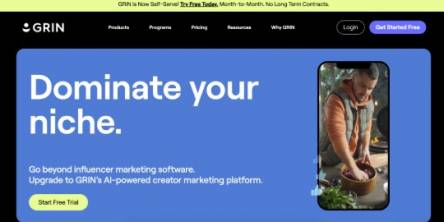
GRIN is a capable platform. But at $25,000 per year with a mandatory 12-month contract, it prices out a significant portion of the market it serves. Growing influencer marketing teams -

Most eCommerce brands spend more time evaluating a new software subscription than they do evaluating a fulfillment partner. That imbalance is costly.
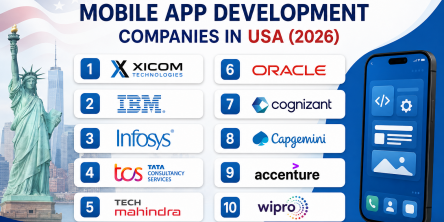
The mobile app ecosystem in the United States continues to expand rapidly, driven by advancements in AI, cloud computing, and cross-platform frameworks

Test cricket is the oldest and most traditional format of the game. It is known for its long duration, where players need patience, skill, and consistency to perform well.
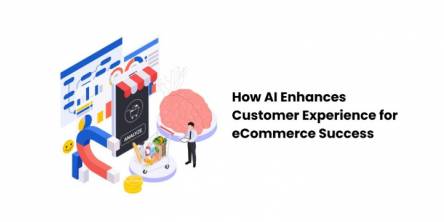
With the advancement of technology, businesses have become more innovative, efficient, and capable of reaching a global audience. Technologies have majorly impacted the businesses on how they interact with others and engage with customers.

These days, with everything so connected online, privacy on the internet is not really optional anymore. It’s something people genuinely need. Users deal with risks all the time, from data leaks and identity theft to creepy tracking and blocked content based on location.

The ride-hailing industry is still growing fast. Whether you are a startup looking to launch your first taxi app or a business owner who wants to expand into on-demand transport, building an Uber-like app is one of the most practical moves you can make right now.

The way businesses collaborate has undergone a significant transformation. Not long ago, teamwork was largely tied to physical offices, face-to-face meetings, and fixed working hours.

Hospitals operate in environments where availability and patient safety are paramount at all times. As medical supply chains expand and regulatory oversight becomes more demanding, manual tracking methods introduce delays and risk.

Every sales funnel has one core goal: turn attention into revenue as efficiently as possible. Yet many funnels leak value at critical stages—visitors bounce, leads go cold, and sales teams chase prospects who were never a good fit.

Have you observed that while some websites are hardly cited in AI-powered search outcomes, others emerge more frequently?

Decentralized Finance (DeFi) has transformed how users earn passive income through blockchain-based financial systems. Among its most popular use cases,

Food delivery applications, including Uber Eats, DoorDash, Zomato, Swiggy, and Grubhub, generate large volumes of valuable data.

The expectations regarding work are still changing as the agencies struggle with the increase of client demands, shorter time frames, and constant pressure to provide measurable results.

AI agents are no longer an experiment in financial institutions. They are becoming the operational engine that powers real time decisioning, proactive fraud defense, precise risk scoring, and automated compliance workflows.