

Hospital Inventory Management Software: Key Features and Best Solutions
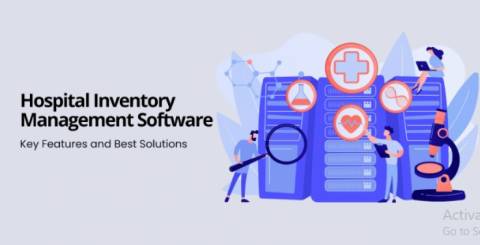
Hospitals operate in environments where availability and patient safety are paramount at all times. As medical supply chains expand and regulatory oversight becomes more demanding, manual tracking methods introduce delays and risk. This has led many healthcare organizations to treat hospital inventory management software as a core operational system rather than a back-office utility.
Modern hospitals manage thousands of items across departments with different consumption patterns and urgency levels. Expiry risk, replenishment timing, and stock accuracy all influence operational stability. When inventory data does not reflect actual usage, inefficiencies appear in finance and audit processes.
For hospitals, the focus is no longer limited to tracking inventory. It is on maintaining control, accuracy, and accountability across complex and evolving supply environments.
Key Features of Hospital Inventory Management Software
Hospitals rely on inventory systems that can keep pace with daily requirements. Supplies move continuously across departments, and errors in tracking can affect both cost control and care delivery. For this reason, hospital inventory management software is expected to support accuracy and consistency rather than just record stock levels.
In practice, these systems are designed to reduce manual effort and improve visibility across locations and usage points. Many hospitals adopt platforms developed by a custom healthcare software development company to ensure alignment with internal workflows and compliance needs. The value of such software depends on a focused set of features that address real operational challenges. The sections below highlight the most important capabilities that support reliable inventory control in complex hospital environments.
1. Real-Time Inventory Tracking
Real-time inventory tracking records stock movement at the moment it occurs across hospital locations. Supplies are issued to wards, returned to stores, or transferred between departments throughout the day. When these actions are recorded later, inventory data no longer reflects actual availability. Hospital inventory management software addresses this by updating stock records immediately as items move through the system. This ensures that inventory data remains aligned with on-ground usage rather than delayed summaries. Accurate real-time tracking becomes especially important in high-usage areas where supply levels change frequently, and visibility must remain consistent across teams.
- Inventory quantities update instantly when items are issued or transferred.
- Stock availability reflects current levels, not scheduled updates.
- Department-wise movement is captured at the time of the transaction.
- Central stores and clinical units access the same live data view.
- Transfers between locations are recorded without manual entry.
2. Automated Reordering And Stock Alerts
Automated reordering focuses on maintaining predefined stock levels without relying on manual review. Hospitals manage items with different consumption rates, which makes periodic checks unreliable. When thresholds are crossed without notice, shortages occur unexpectedly. Hospital inventory management software supports automated reordering by monitoring stock levels continuously and triggering actions when limits are reached. This ensures replenishment activities begin before stock depletion affects operations. Automation also reduces dependency on individual oversight and keeps procurement activity aligned with actual usage patterns.
- Reorder points are defined for individual items or categories.
- Alerts are generated when stock reaches minimum thresholds.
- Notifications are routed to assigned procurement or store teams.
- Reorder actions follow predefined approval workflows.
- Manual stock review frequency is reduced.
3. Expiry And Batch Management
Expiry and batch management tracks time-sensitive supplies throughout their lifecycle. Hospitals store pharmaceuticals, consumables, and sterile items that must be used within defined periods. When expiry information is tracked manually, items are often discovered too late. Inventory systems record batch numbers and expiry dates at the item level. This allows monitoring to continue as stock moves across locations. Hospital inventory management software maintains visibility into upcoming expiries and batch distribution. This supports timely usage, redistribution, or removal before compliance risks arise.
- Expiry dates are recorded for each batch or item.
- Systems flag items approaching expiration.
- Batch details remain linked during transfers.
- Expired items are identified before issue.
- Audit records retain batch history.
4. Barcode And RFID-Based Tracking
Barcode and RFID tracking improve accuracy by capturing inventory movement at the point of activity. Manual entry increases error risk, especially in high-volume environments. Scanning replaces handwritten logs and delayed updates. When items are issued, returned, or transferred, the system records the action immediately. Hospital inventory management software uses barcode or RFID inputs to update inventory records with minimal manual input. This method supports faster workflows while maintaining consistent tracking across locations and users.
- Items are scanned during issue and receipt.
- Movement is logged at the point of activity.
- Entry errors are reduced through automation.
- High-volume handling becomes easier to track.
- Inventory records update without manual input.
5. Reporting And Inventory Analytics
Reporting tools provide structured access to inventory data over time. Hospitals need visibility into usage patterns, stock turnover, and exceptions. Static reports do not capture changes effectively. Inventory systems generate reports based on real transaction data. Hospital inventory management software supports analytics that reflect consumption trends, variances, and historical movement. These reports assist internal reviews without separate reconciliation processes. Analytics remain focused on inventory behavior rather than financial outcomes alone.
- Usage reports reflect actual transaction data.
- Trends are visible across periods and locations.
- Exceptions such as shortages or surpluses are highlighted.
- Reports support internal review processes.
- Data can be filtered by department or category.
6. System Integration Capabilities
Inventory systems must exchange data with other hospital platforms, which is why many healthcare organizations work with a software development company to build integrated and scalable inventory solutions. Procurement, finance, and clinical systems rely on consistent information. Manual data transfer introduces gaps and duplication. Inventory platforms support integration through defined interfaces. Hospital inventory management software aligns inventory records with connected systems to maintain consistency. Integration ensures that stock changes are reflected across workflows without repeated entry.
- Inventory data synchronizes with procurement systems.
- Usage records align with financial tracking.
- Manual data duplication is reduced.
- System records remain consistent across platforms.
- Updates propagate through connected workflows.
7. Security, Compliance, And Audit Controls
Inventory data supports operational and regulatory accountability. Hospitals must control access, maintain traceability, and protect sensitive information in accordance with HIPAA requirements. Hospital inventory management software records actions such as issue, transfer, and adjustment. These logs support audits and internal controls. Security measures protect data integrity without interrupting daily workflows.
- Access permissions are assigned by role.
- Inventory actions are logged automatically.
- Audit trails remain available for review.
- Data changes are traceable by the user.
- Compliance reporting is supported through records.
Leading Hospital Inventory Management Software Solutions
Choosing hospital inventory management software depends on how well a system aligns with operational scale, data accuracy, and long-term control needs. Hospitals differ in procurement volume, compliance requirements, and workflow complexity, which affects software suitability. Some platforms function as part of broader hospital systems, while others focus narrowly on inventory tracking. Solutions developed by AI development services may also offer more advanced automation or data handling capabilities, depending on the implementation scope. The following software options are commonly referenced for their inventory management use cases in healthcare environments.
1. Healcard
Healcard is a healthcare management platform that includes inventory and pharmacy-related modules as part of its broader hospital operations offering. The system is commonly used to manage stock records linked to pharmacy and billing activities. Inventory updates occur alongside routine operational transactions, which helps maintain alignment between stock movement and internal records. Healcard’s inventory capabilities are typically configured around item masters, batch details, and expiry tracking to support day-to-day hospital requirements.
2. Practo Ray
Practo Ray is primarily designed for clinics and outpatient facilities, with inventory functionality supporting routine clinical operations. Inventory tracking is closely tied to billing and consultation workflows rather than large-scale warehouse management. The system is often used to record consumable usage during patient visits and adjust stock levels accordingly. Its inventory features are generally suited to environments with moderate volume and limited storage complexity.
3. Sortly
Sortly is a general inventory tracking platform used across industries, including healthcare settings that require straightforward item and asset tracking. It is not designed as a clinical system. Instead, it focuses on maintaining organized records of supplies and equipment through a simple interface. Healthcare teams use Sortly to monitor stock availability across rooms, storage areas, or locations where ease of access matters.
Conclusion
Effective inventory control has become a critical operational priority for hospitals managing scale and cost pressures. Hospital inventory management software plays a central role in maintaining visibility across supplies. Its value lies not only in tracking items, but in sustaining accurate data across procurement and audit workflows.
As inventory requirements grow more complex, hospitals increasingly evaluate systems that can adapt over time. Solutions supported by services can assist with usage analysis, while platforms accessible through mobile application development services help teams update and review inventory directly from care locations. When selected carefully, inventory software strengthens control, supports informed decision-making, and aligns operational efficiency with patient care standards.
Similar Articles

The app development market has evolved significantly over the past decade or so. Its impact on business has been equally consequential.

Offshore IT hiring means recruiting IT professionals who work from another country or region. Companies commonly use this approach for software development, QA, IT support, DevOps, cybersecurity, data, and project management.

By 2026, moving to the cloud is no longer merely a competitive advantage. It is a business necessity. Every organization across the broad spectrum of industries will be challenged to become more agile.
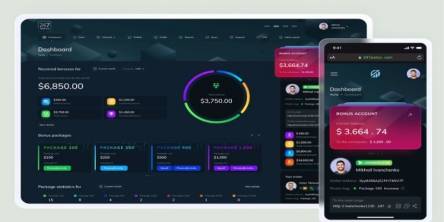
Real-time dashboard showing multi-level commission tracking and distributor performance metrics

Digital transformation initiatives are no longer unheard of in the corporate world. As a matter of fact, it is also well known that companies expanding their digital footprint tend to run into crippling legacy apps.

The financial aid office has become one of the most operationally strained departments on the modern U.S. campus. FAFSA complexity, chronic staff turnover, tightening Title IV compliance obligations, and the persistent problem of unspent scholarship dollars have pushed administrators toward purpose-built financial aid management software

The demand for software delivery has never been higher. Applications must be delivered faster and on a scale like never before.
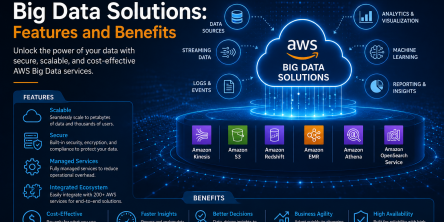
Modern businesses produce large amounts of data daily. Be it from customer transactions, Internet of Things (IoT) sensors, or countless other such sources.

Businesses today need to ship new software faster than ever. That's not news, of course. Anyway, because of the demands on businesses, new solutions are being built on top of micro-services, serverless functions, etc.