

Practical Applications of Power BI and Python in Fraud Detection

The rapidly growing volume and speed of digital transactions have had a whole lot of implications for businesses. But most importantly, it has rendered traditional fraud detection methods ineffective. Organizations are now inundated with sophisticated threats that can circumvent traditional rule-based systems. The unfortunate result is significant financial losses besides the eroded customer trust. To deal with these risks, businesses are turning to data driven strategies that combine advanced computational analysis with actionable reporting. The combination of Python and Power BI represents a significant advancement in this field. While Python provides the necessary depth for complex statistical modeling and anomaly detection, Power BI provides a dynamic platform for visualizing these findings and making immediate decisions. The union of these technologies stands to help businesses turn massive amounts of raw data into a proactive defense mechanism. This allows them to detect and mitigate fraudulent activity with greater precision and speed.
In this blog, I will discuss the important & practical use cases of Power BI and Python application in fraud detection.
Strengthening Fraud Prevention with Power BI and Python
Python serves as an analytical engine, with libraries such as Scikit-learn and PyCaret used to clean up complex data and run ML models. This helps to detect even subtle anomalies in massive datasets. Once these high-risk patterns have been identified, the data is loaded into Power BI, a.k.a. the interactive visualization layer. Power BI converts Python statistical outputs into real time dashboards and heat maps. This workflow enables technical teams to maintain sophisticated predictive models while providing business stakeholders with a simple "fraud radar" to detect and prevent suspicious activity as it occurs.
Power BI and Python: Use Cases for Fraud Detection You Ought to Know
Power BI and Python work together to transform raw data into actionable fraud insights. By combining Python’s advanced analytics with Power BI’s intuitive visualizations, organizations can uncover hidden anomalies, monitor suspicious activities in real time, and make faster, more accurate fraud‑prevention decisions.
Here are some of the interesting use cases;
- Corporate expense management: Python is put to work to automate the auditing of employee expense reports by comparing them to historical benchmarks and company policies. Once the data has been processed, Power BI presents the results in a risk score dashboard. This enables managers to drill down into specific departments or employees who consistently submit duplicate receipts or exceed travel expense limits. The goal here is to reduce manual audit workloads as well as identify internal noncompliance.
- Ecommerce refund fraud: Python is used by ecommerce companies to analyze customer refund histories and identify suspicious behavioral patterns. These patterns could be an unusually high return to purchase ratio or multiple claims from the same IP address. Python machine learning models can distinguish between "serial returners" and genuine customers by looking at the time between a purchase and a refund request. Power BI displays these hotspots by geographic region or product category. These insights help retailers to adjust return policies for high-risk segments or block accounts with a clear intent to abuse refund systems.
- Supply chain fraud: In supply chain management, Python helps cross reference vendor information with external databases. To what end? That would be to detect "shell companies" or fraudulent vendors who lack a physical presence or a valid tax ID. Python algorithm can also analyze invoice data to detect overbilling or unexpected increases in material costs from a single supplier. Power BI incorporates these findings into a vendor compliance dashboard. This dashboard identifies irregularities, such as a vendor receiving payments for goods that were not recorded in the warehouse management system. This way the procurement teams can intervene before payments are processed.
- Insurance claims fraud: Insurance companies use Python to create predictive models that determine the validity of new claims. Python's natural language processing (NLP) capabilities can scan claim descriptions and accident reports for inconsistencies in the narrative that indicate a staged event. The risk scores generated are exported to Power BI, where claims adjusters can see a prioritized list of suspicious files.
Final Words
As you can see folks, the duo has much to offer for fraud prevention. If you too want to leverage them for your business, I recommend that you start with shortlisting experts for Microsoft Power BI consulting services and Python development services.
Similar Articles

The app development market has evolved significantly over the past decade or so. Its impact on business has been equally consequential.

Offshore IT hiring means recruiting IT professionals who work from another country or region. Companies commonly use this approach for software development, QA, IT support, DevOps, cybersecurity, data, and project management.

By 2026, moving to the cloud is no longer merely a competitive advantage. It is a business necessity. Every organization across the broad spectrum of industries will be challenged to become more agile.
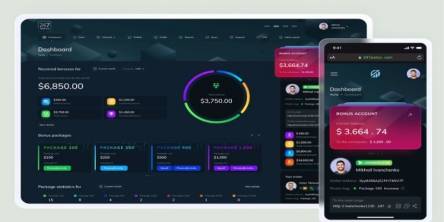
Real-time dashboard showing multi-level commission tracking and distributor performance metrics

Digital transformation initiatives are no longer unheard of in the corporate world. As a matter of fact, it is also well known that companies expanding their digital footprint tend to run into crippling legacy apps.

The financial aid office has become one of the most operationally strained departments on the modern U.S. campus. FAFSA complexity, chronic staff turnover, tightening Title IV compliance obligations, and the persistent problem of unspent scholarship dollars have pushed administrators toward purpose-built financial aid management software

The demand for software delivery has never been higher. Applications must be delivered faster and on a scale like never before.
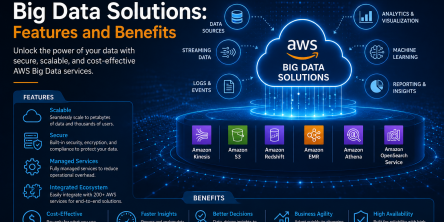
Modern businesses produce large amounts of data daily. Be it from customer transactions, Internet of Things (IoT) sensors, or countless other such sources.

Businesses today need to ship new software faster than ever. That's not news, of course. Anyway, because of the demands on businesses, new solutions are being built on top of micro-services, serverless functions, etc.