

Common Challenges in Cross Platform App Development and How to Solve Them

It has become abundantly clear to the market that a mobile presence is no longer a luxury for companies. Rather it is a necessary condition for business scalability today. As organizations strive to reach the broadest possible audience, the pressure to maintain high quality apps across multiple operating systems, i.e. mostly iOS and Android, has increased. One could suggest the conventional approach of creating separate native apps. It results in fragmented workflows and inconsistent user experiences. This is why many businesses are implementing cross platform frameworks to streamline their operations. And sure enough, the promise of a unified codebase is appealing. But the technical and structural challenges brings about mustn't be ignored. Understanding these issues is key to finding a balance between speed to market and technical excellence. It goes without saying that businesses that identify the inherent friction in shared environments can implement far more resilient strategies.
In this blog, I will discuss some of the bigger challenges in cross platform app development and how to solve them.
Common Roadblocks in Cross Platform App Development and How You Can Fix Them
Cross-platform development promises speed and reach, but it also introduces technical compromises. From performance bottlenecks to UI inconsistencies and plugin dependencies, teams face recurring obstacles. Understanding these roadblocks—and applying proven fixes—helps build scalable, secure apps without sacrificing user experience across platforms and long-term maintainability goals.
Listed below are some of the common challenges with their potential solution;
- Performance tradeoffs: Instead of communicating directly with the hardware, cross platform apps frequently use a bridge or a rendering engine. Think JavaScript engines in React Native or Skia in Flutter. Anyway, the point is that this extra layer can cause stuttering animations and higher battery consumption when compared to native code. The solution is to improve performance by moving computationally intensive tasks to native modules. It would also be a good idea to use Ahead of Time compilation whenever possible. This reduces the number of passes over the bridge. And make sure to profile the app with the relevant tools to find memory leaks and frame rate drops.
- Limited access to newest platform features: When Apple or Google introduce a new OS functionality, developers working on native apps gain immediate access. Whereas cross platform developers must wait for framework maintainers or community members to update plugins and wrappers to support these new features. A solid way to deal with it is to use native bridges or platform channels. This allows you to write a small amount of native code to directly access the new API. It can then be called from your cross-platform environment. This keeps the project from being stalled by third party update cycles.
- UI differences: iOS and Android have distinct design philosophies. A button or navigation bar that appears natural on an iPhone may feel out of place on an Android device. But only if the design is forced to be identical. A workaround to this challenge is to implement platform aware components. So instead of creating a one size that fits all UI, use conditional logic to display a iOS style toggle on iPhones and a Material Design switch on Android. This ensures that the app meets the user's muscle memory as well as platform expectations.
- Security risks from third party plugins: The thing about cross platform frameworks is that they rely heavily on plugins to access device hardware such as the camera, GPS, etc. The result is a substantially bigger attack surface. A vulnerability in a poorly maintained community plugin can jeopardize the whole app. This is why you must conduct regular dependency audits. In addition to that, use only plugins with high reputation scores and active maintenance histories. Avoid using third party wrappers for highly sensitive data. It is advisable instead write custom, audited native code for encryption and secure storage.
Final Words
Cross-platform success depends on informed tradeoffs, smart tooling, and disciplined practices. By addressing performance, UI, security, and platform gaps early, teams can deliver reliable apps that scale efficiently across platforms. This cross-platform app development challenge may understandably seem overwhelming. This is why it is advisable to find and hire a trusted cross platform app development company for your project.
Similar Articles

Field sales teams handle numerous responsibilities every day. Sales representatives travel between customer locations, conduct meetings, collect orders, record information, and report their activities to managers.
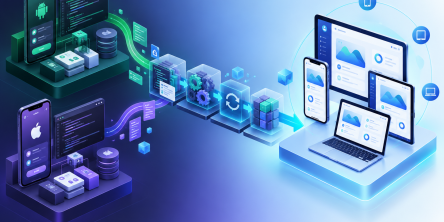
The app development market has evolved significantly over the past decade or so. Its impact on business has been equally consequential.

Offshore IT hiring means recruiting IT professionals who work from another country or region. Companies commonly use this approach for software development, QA, IT support, DevOps, cybersecurity, data, and project management.

By 2026, moving to the cloud is no longer merely a competitive advantage. It is a business necessity. Every organization across the broad spectrum of industries will be challenged to become more agile.
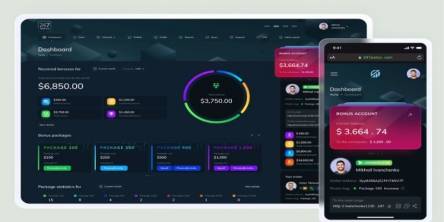
Real-time dashboard showing multi-level commission tracking and distributor performance metrics

Digital transformation initiatives are no longer unheard of in the corporate world. As a matter of fact, it is also well known that companies expanding their digital footprint tend to run into crippling legacy apps.

The financial aid office has become one of the most operationally strained departments on the modern U.S. campus. FAFSA complexity, chronic staff turnover, tightening Title IV compliance obligations, and the persistent problem of unspent scholarship dollars have pushed administrators toward purpose-built financial aid management software
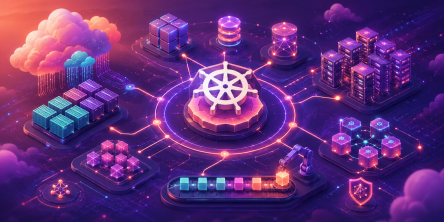
The demand for software delivery has never been higher. Applications must be delivered faster and on a scale like never before.
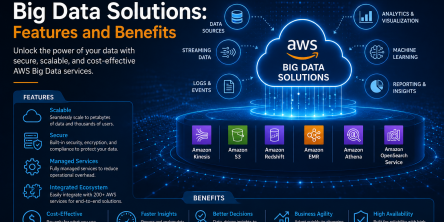
Modern businesses produce large amounts of data daily. Be it from customer transactions, Internet of Things (IoT) sensors, or countless other such sources.