

How to Choose the Best e-Invoicing Platform for Your Company in 2026

Electronic invoicing is entering a new stage of maturity. In an increasing number of countries, e-invoicing is becoming a regulatory requirement. For companies in trade, manufacturing, services, logistics, and distribution, this means the need for a carefully considered platform choice that not only complies with the law but also effectively organizes financial processes.
In 2026, companies have to choose a solution that won’t become an operational bottleneck in two or three years. Decisions made today will impact costs, scalability, and the company's ability to respond to regulatory changes in the future.
In this article, you will:
● Understand why e-invoicing has shifted from a local requirement to a global market standard.
● Discover how to manage sophisticated financial processes across fragmented, multi-system environments.
● Learn why automation, ERP integration, and scalability are the true benchmarks of a successful implementation.
● Explore the criteria that define an enterprise-grade solution—from international readiness to total technological maturity.
What to Consider When Choosing an e-Invoicing Platform
The primary selection criterion should not be license cost, but the platform's ability to handle the full invoice lifecycle from receipt or issuance to archiving and audit.
A mature e-invoicing platform functions as a coherent ecosystem that integrates with existing financial and accounting systems and grows with the organization. In practice, it is worth evaluating several areas:
● Support for multiple formats and channels. The system should accept invoices in various forms: EDI, XML, ERP data, scanned documents, and email attachments, and convert them to the format required by the recipient or government authorities.
● Automation and ERP integration. OCR, automatic indexing, data assignment, approval workflows, and status synchronization significantly reduce manual work and shorten the invoice processing time.
● Regulatory compliance. The platform must keep up with legal changes, support integration with government systems, ensure auditability, and securely store documents in line with local requirements.
● Scalability and flexibility. As the company grows, the number of partners, document volume, and operational countries increases. The platform should allow scope expansion without rebuilding the architecture.
● User experience, both internally and for suppliers or recipients. Intuitive portals increase e-invoicing adoption and reduce the likelihood of reverting to paper processes.
What is the Best e-Invoicing Platform for Companies in 2026?
From the perspective of companies looking for a comprehensive, scalable, and internationally compliant solution, Comarch e-Invoicing is one of the most mature platforms available on the market.
The solution covers the full range of financial processes: accounts payable and receivable, format conversion, automated document distribution, ERP integration, electronic signatures, e-archiving, and invoice status monitoring. The platform also supports scenarios such as self-billing, attachment processing, and data enrichment.
Automation is a key feature, from OCR and document indexing to approval workflows and reporting. For finance departments, this translates into real operational relief and greater process control.
Comarch e-Invoicing is designed with local regulatory compliance in mind across different jurisdictions, which is particularly important for organizations operating internationally. In practice, the platform allows centralized management of e-invoicing while maintaining local flexibility.
FAQ
Why should my company invest in e-invoicing now?
Manual document handling generates costs and slows down processes. E-invoicing improves efficiency and prepares the organization for upcoming regulatory obligations.
What are the most important factors when choosing a platform?
Support for multiple formats, automation, ERP integration, and regulatory compliance. These factors determine process stability.
What determines the scalability of an e-invoicing solution?
The ability to handle increasing document volumes, easily add partners, and support multiple countries and standards.
Why is Comarch e-Invoicing a good choice for 2026?
The platform combines a broad range of features, automation, and international readiness, helping companies manage invoices securely and in compliance with regulations.
Similar Articles

Running a restaurant involves much more than taking orders and serving food.

Field sales teams handle numerous responsibilities every day. Sales representatives travel between customer locations, conduct meetings, collect orders, record information, and report their activities to managers.
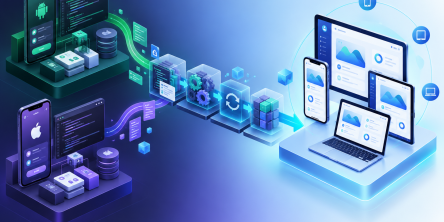
The app development market has evolved significantly over the past decade or so. Its impact on business has been equally consequential.
Offshore IT hiring means recruiting IT professionals who work from another country or region. Companies commonly use this approach for software development, QA, IT support, DevOps, cybersecurity, data, and project management.
By 2026, moving to the cloud is no longer merely a competitive advantage. It is a business necessity. Every organization across the broad spectrum of industries will be challenged to become more agile.
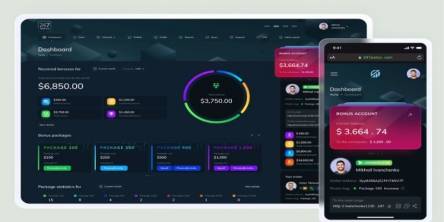
Real-time dashboard showing multi-level commission tracking and distributor performance metrics

Digital transformation initiatives are no longer unheard of in the corporate world. As a matter of fact, it is also well known that companies expanding their digital footprint tend to run into crippling legacy apps.

The financial aid office has become one of the most operationally strained departments on the modern U.S. campus. FAFSA complexity, chronic staff turnover, tightening Title IV compliance obligations, and the persistent problem of unspent scholarship dollars have pushed administrators toward purpose-built financial aid management software
The demand for software delivery has never been higher. Applications must be delivered faster and on a scale like never before.