

7 Tooth Restoration Options Explained for People Who Want Their Smile Back

One day, you're biting into a sandwich without a second thought. Next, you're chewing on one side, avoiding mirrors, or wondering when smiling became something you overthink.
Teeth have a funny way of quietly doing their job until they don't.
The good news? Modern dentistry offers more ways than ever to repair damaged, worn, or missing teeth. If you've been thinking about getting your smile back, it helps to know what's actually available. Some options are simpler than people expect. Others are surprisingly high-tech.
Dental Fillings for Small Repairs
Let's start with the familiar one.
Fillings are often used when cavities or minor damage affect a tooth. The goal is straightforward: remove the damaged portion and restore the tooth's shape and function.
Many people think fillings are only for major decay, but they can also help preserve a tooth before a larger problem develops. It's a bit like fixing a tiny leak before the entire ceiling decides to participate.
Small interventions can sometimes make a big difference.
Dental Bonding for Quick Cosmetic Fixes
Bonding is one of dentistry's underrated overachievers.
Using tooth-colored resin, a dentist can repair chips, close small gaps, or improve the appearance of uneven teeth. The process is often quicker than people expect and usually requires very little alteration of the natural tooth.
For patients seeking subtle improvements, bonding can feel like giving a favorite jacket a professional repair instead of replacing the whole thing.
Custom Crowns for Damaged Teeth
When a tooth has experienced significant damage, a filling may no longer provide enough support.
That's where custom dental crowns come in.
A crown covers the visible portion of the tooth, helping restore strength, shape, and appearance. Modern crowns are designed to blend naturally with surrounding teeth, which is why many people forget they even have one after a while.
A skilled restorative dentist often recommends crowns when preserving the remaining tooth structure is still possible, but extra protection is needed.
Root Canal Therapy to Save a Tooth
Few dental procedures have collected more myths than root canals.
In reality, root canal treatment is often about saving a natural tooth rather than removing it. If infection or damage reaches the inner pulp, treatment can clean the affected area and help preserve the tooth's function.
Once healing is complete, many patients continue using that tooth comfortably for years.
Not exactly the scary movie plot some people imagine.
Dental Bridges for Missing Teeth
Missing a tooth can affect more than appearance.
Neighboring teeth may gradually shift, and chewing can become less comfortable. Dental bridges help fill the gap by using nearby teeth as support for a replacement tooth.
For some patients, bridges provide a practical solution without requiring surgery.
During treatment planning, a restorative dentist will often discuss how bridges compare with other options based on individual needs and long-term goals.
Dental Implants for Long-Term Replacement
Dental implants have become one of the most talked-about restoration options, and for good reason.
An implant replaces the missing tooth root and supports a crown above the gumline. The result can look remarkably natural while helping maintain jawbone support.
Many implant restorations eventually include custom dental crowns, carefully designed to match surrounding teeth in color and shape.
It's one of those situations where engineering and artistry end up sharing the same chair.
Full or Partial Dentures Have Evolved
Mention dentures, and many people picture something straight out of an old sitcom.
Modern versions are often far more comfortable and natural-looking than their reputation suggests. Partial dentures replace several missing teeth, while full dentures replace an entire arch.
Technology, materials, and design have improved significantly over the years. In many cases, custom dental crowns and other restorations may be combined with broader treatment plans to create functional, attractive results.
A knowledgeable restorative dentist can help determine which approach fits both lifestyle and dental health needs.
Conclusion
Restoring a smile isn't a one-size-fits-all process. Some people need a simple filling. Others benefit from crowns, bridges, implants, or a combination of treatments.
The encouraging part is that today's restoration options offer far more flexibility than many people realize.
Similar Articles

Brushing and flossing every day are the foundation of good oral hygiene, but they cannot always remove everything that builds up on your teeth. Plaque can collect around the gumline and in areas that are difficult to reach.
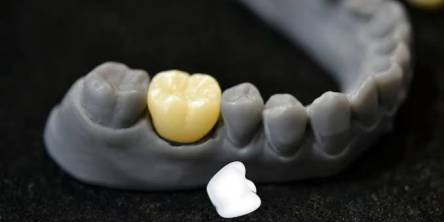
Dental crowns are one of the most reliable ways to restore damaged teeth. Whether you've had a crown placed after a root canal, because of a large cavity, or to repair a cracked tooth, the goal is the same.
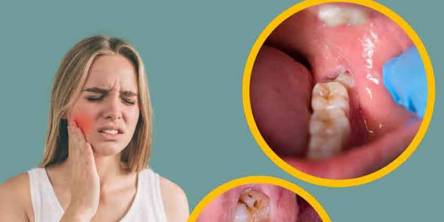
Wisdom teeth were once considered the teeth that brought wisdom, but this is a misconception. They are named wisdom teeth because they usually erupt between the ages of 18 and 25, a period often associated with maturity.

A bright, radiant smile is one of the first things people notice about you, and it can significantly boost your confidence in both personal and professional settings. Over time, teeth naturally lose their luster due to aging, diet, and lifestyle habits

Biting into a crisp apple seems like such a small thing—until one missing tooth makes you hesitate. Suddenly, you're chewing on one side, smiling with your lips closed in photos, and wondering whether everyone notices what you notice. Replacing a missing tooth isn't just about appearance

Gum disease is one of the leading causes of tooth loss in adults. Many people do not realize how serious it can become because the early symptoms often seem minor.

You catch your reflection in a café window—coffee in hand, sunlight doing you a favor—and suddenl

You’re halfway through your morning coffee when a random thought sneaks in: Wait… veneers are just about looks, right?

Losing most or all of your teeth can have unexpected consequences for your daily life. Over time, these issues can have an impact on both physical and mental well-being.