

6 Common Reasons Your Dental Crown Feels Loose
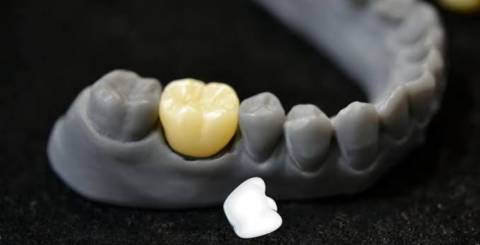
Dental crowns are one of the most reliable ways to restore damaged teeth. Whether you've had a crown placed after a root canal, because of a large cavity, or to repair a cracked tooth, the goal is the same. A crown protects the remaining tooth, restores its strength, and lets you chew comfortably again.
Although crowns are designed to last for many years, they aren't permanent. Over time, you may notice that your crown feels loose, shifts when you chew, or even comes off completely. That can be alarming, especially if the tooth underneath becomes sensitive to hot, cold, or pressure.
A loose crown shouldn't be ignored. Even if it doesn't hurt, bacteria and food particles can get underneath it, increasing your risk of decay or infection. The good news is that many loose crowns can be repaired if the problem is caught early.
If your dental crown has started moving or feels different than usual, here are six of the most common reasons why it may have happened.
1. Decay Has Developed Under the Crown
Many people assume a crowned tooth can no longer get cavities. Unfortunately, that's not true. The crown itself cannot decay because it's made from materials like porcelain, ceramic, or metal. However, the natural tooth underneath remains vulnerable. Bacteria can collect around the edge where the crown meets the tooth, especially if plaque isn't removed properly during brushing and flossing.
As decay develops beneath the crown, it gradually weakens the remaining tooth structure. Eventually, the crown loses the solid foundation it depends on and starts to loosen.
You may notice:
- Sensitivity to hot or cold
- Pain while biting
- A bad taste around the crown
- Swelling of nearby gums
- Movement when chewing
Your dentist will remove the crown to evaluate the tooth. If the decay is limited, the tooth may be repaired and the same crown reused. If the damage is extensive or the crown no longer fits properly, a new crown will usually be recommended. Regular dental checkups help catch these problems before they become serious.
2. Sticky Foods Can Pull a Crown Loose
Dental crowns are strong enough for everyday eating, but certain foods place extra stress on them. Sticky foods can grab onto the crown and slowly weaken the bond between the crown and the cement holding it in place. While eating one caramel won't necessarily cause a problem, repeatedly chewing sticky candy or similar foods increases the risk over time.
Foods that commonly cause problems include:
- Caramel
- Taffy
- Chewy candy
- Gum
- Dried fruit
- Very sticky protein bars
Sometimes the crown simply loosens. In other cases, it comes off completely while you're eating. If this happens, don't try to glue it back yourself with household adhesives. Store the crown safely and contact your dentist. If the crown is still in good condition and the tooth hasn't changed, it can often be cleaned and cemented back into place.
3. Dental Cement Naturally Wears Out Over Time
Dental crowns are built to last many years, but the cement used to attach them doesn't last forever. Every day your crown is exposed to chewing pressure, temperature changes, moisture, and normal wear. Gradually, the dental cement begins to weaken. This is a normal part of aging and doesn't necessarily mean anything was done incorrectly.
You may first notice:
- A slight movement while chewing
- Food getting trapped around the crown
- Mild sensitivity
- A feeling that the crown is "different"
If the crown itself remains intact and the tooth underneath is healthy, your dentist can often remove the crown, clean it thoroughly, and bond it back using fresh dental cement. This is one of the simplest causes of a loose crown and is usually straightforward to fix.
4. The Tooth Supporting the Crown Has Become Weaker
A crown depends on the natural tooth underneath for support. If that tooth changes over time, the crown may no longer fit securely.
Several situations can weaken the remaining tooth, including:
- New decay
- Small fractures
- Wear from grinding
- Loss of tooth structure
- Previous large fillings breaking down
Sometimes a crowned tooth has already lost a significant amount of its natural structure before treatment. Although the crown protects it, additional damage over the years can reduce the support available.
If the tooth can still be restored, your dentist may rebuild it and place a new crown. However, if too much tooth structure has been lost, more advanced treatment, such as a post and core or even extraction followed by an implant, may become necessary. That's why it's important to have a loose crown evaluated as soon as you notice a problem.
5. The Crown Has Cracked or Been Damaged
Dental crowns are durable, but they aren't indestructible. Porcelain and ceramic crowns can chip or crack if they're exposed to excessive force. Even metal-based crowns can become damaged under certain conditions.
Common causes include:
- Biting ice
- Chewing hard candy
- Opening packages with your teeth
- Cracking nutshells
- Teeth grinding or clenching during sleep
A damaged crown may no longer fit tightly against the tooth. Small cracks also create spaces where bacteria can enter, increasing the risk of decay beneath the restoration. If you grind your teeth at night, your dentist may recommend wearing a custom night guard. This reduces pressure on both your natural teeth and your dental crowns, helping them last much longer. Minor cosmetic chips can sometimes be polished or repaired. Larger fractures usually require replacing the entire crown.
6. The Crown Was Never the Right Fit
Sometimes a crown becomes loose much sooner than expected because it never fit properly in the first place. A crown should fit tightly around the prepared tooth with very little movement. If the fit isn't accurate, everyday chewing places repeated stress on the cement, gradually causing the crown to loosen.
Several factors can contribute to this problem, including:
- Inaccurate dental impressions
- Changes in the tooth after preparation
- Limited remaining tooth structure
- Bite problems that place uneven pressure on the crown
You may notice the crown has always felt slightly different from your other teeth, or food constantly becomes trapped around it. Your dentist will examine both the crown and the supporting tooth to determine the cause. If the crown doesn't fit correctly, replacing it with a new custom-made restoration is usually the best long-term solution. A properly fitted crown should feel comfortable and stable during normal chewing.
7. What Should You Do if Your Crown Feels Loose?
If your crown starts moving, don't wait for it to fall out completely.
Until you can see your dentist:
- Avoid chewing on that side of your mouth.
- Skip sticky, crunchy, and hard foods.
- Brush and floss gently around the area.
- If the crown comes off, keep it clean and bring it to your appointment.
- Never use household glue or temporary adhesives that aren't intended for dental use.
Even if the crown isn't painful, delaying treatment allows bacteria to reach the tooth underneath, which can lead to more expensive treatment later. Your dentist will determine whether the crown can be reattached or if replacing it is the better option.
Similar Articles
Wisdom teeth were once considered the teeth that brought wisdom, but this is a misconception. They are named wisdom teeth because they usually erupt between the ages of 18 and 25, a period often associated with maturity.
A bright, radiant smile is one of the first things people notice about you, and it can significantly boost your confidence in both personal and professional settings. Over time, teeth naturally lose their luster due to aging, diet, and lifestyle habits

Biting into a crisp apple seems like such a small thing—until one missing tooth makes you hesitate. Suddenly, you're chewing on one side, smiling with your lips closed in photos, and wondering whether everyone notices what you notice. Replacing a missing tooth isn't just about appearance
Gum disease is one of the leading causes of tooth loss in adults. Many people do not realize how serious it can become because the early symptoms often seem minor.
One day, you're biting into a sandwich without a second thought. Next, you're chewing on one side, avoiding mirrors, or wondering when smiling became something you overthink.
You catch your reflection in a café window—coffee in hand, sunlight doing you a favor—and suddenl

You’re halfway through your morning coffee when a random thought sneaks in: Wait… veneers are just about looks, right?

Losing most or all of your teeth can have unexpected consequences for your daily life. Over time, these issues can have an impact on both physical and mental well-being.

Children's dental health plays a crucial role in their overall well-being and development. Many parents mistakenly believe that baby teeth don't require special care since they will fall out anyway.