

Veneers vs Dental Bonding: 6 Real Differences That Actually Matter in Everyday Life
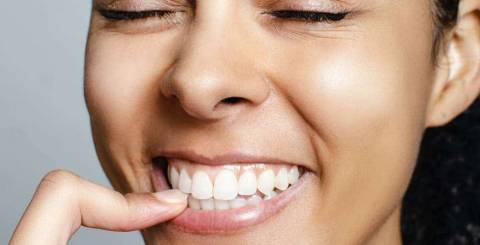
You catch your reflection in a café window—coffee in hand, sunlight doing you a favor—and suddenly your brain zooms in on that one tooth. Not a disaster, just… not quite right. A tiny chip, a shade mismatch, something only you probably notice but now can’t unsee.
And just like that, you’re down the rabbit hole: veneers or bonding?
Turns out, the differences aren’t just technical—they show up in everyday life, in ways you don’t expect.
1. How They’re Applied: Quick Fix vs Crafted Fit
Let’s start with the experience itself. Dental bonding is the “let’s fix this today” option. The dentist shapes a tooth-colored material directly onto your tooth, smooths it, polishes it, and voilà—done in one visit.
Veneers, on the other hand, are more like tailored clothing. They’re custom-made, often requiring multiple steps. Somewhere between imagining your ideal smile and casually checking the veneers' price, you realize this route involves more planning, more precision, and a bit more patience.
2. Durability in Real Life: Coffee, Crunch, Repeat
Life isn’t gentle on teeth. There’s coffee, crunchy snacks, accidental fork bites—don’t pretend it hasn’t happened.
Dental bonding holds up well, but it’s not as strong as veneers. Over time, it can chip or wear down, especially if your habits lean toward the enthusiastic side. Veneers are tougher, designed to handle daily life with fewer visible changes.
So if your lifestyle includes a lot of “oops, I bit that too hard,” durability starts to matter more than you’d think.
3. Stains and Color Changes: The Coffee Test
Here’s where your morning routine quietly enters the chat. Coffee, tea, red wine—they all leave their mark eventually.
Bonding material is more prone to staining, which means that over time, it might not match your natural teeth as perfectly as it once did. Veneers resist stains better, keeping their color more consistent.
It’s one of those things you don’t think about until you’re halfway through your second cup and wondering if your smile is keeping up.
4. The Feel Factor: Yes, You’ll Notice
This one’s subtle but real. Your teeth have a certain feel—smooth, natural, familiar.
With dental bonding, the texture blends in fairly well, but it’s still a layered material. Veneers, being custom-made, often feel more like part of the tooth itself once you get used to them.
It’s not something that jumps out immediately, but over time, your brain picks up on these tiny differences.
5. Maintenance and Touch-Ups: The Long Game
Nothing stays perfect forever, and both options need some level of care.
Bonding tends to need occasional touch-ups. Small repairs, slight reshaping—it’s flexible, but it does ask for attention now and then. Veneers are more stable over time, but if something happens, fixing them isn’t as quick or simple.
That’s where the practical side kicks in. Between regular check-ups and the occasional thought about veneers, you start to see this as a long-term relationship, not a one-time decision.
6. Cost Perspective: Not Just the Number
Ah, yes, the part everyone quietly thinks about. Cost isn’t just a number—it’s how that number fits into your life.
Dental bonding is generally more affordable upfront, which makes it appealing if you want a quick improvement without a big commitment. Veneers cost more, no surprise there, but they also tend to last longer and maintain their look better over time.
So it’s not just about comparing numbers—it’s about how often you want to revisit the decision.
The Everyday Reality Check
Here’s the interesting part: the “best” choice often depends less on the procedure itself and more on your daily life.
Do you want something quick and flexible? Dental bonding fits right in. Prefer something longer-lasting with fewer touch-ups? Veneers might feel like the better match.
And sometimes, the decision happens in a completely ordinary moment—scrolling, sipping coffee, casually revisiting the veneer's price for the third time and thinking, “Okay… maybe this actually matters more than I thought.”
Similar Articles
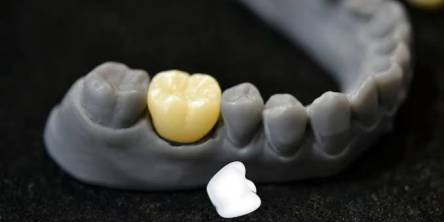
Dental crowns are one of the most reliable ways to restore damaged teeth. Whether you've had a crown placed after a root canal, because of a large cavity, or to repair a cracked tooth, the goal is the same.
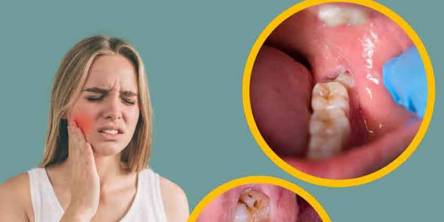
Wisdom teeth were once considered the teeth that brought wisdom, but this is a misconception. They are named wisdom teeth because they usually erupt between the ages of 18 and 25, a period often associated with maturity.

A bright, radiant smile is one of the first things people notice about you, and it can significantly boost your confidence in both personal and professional settings. Over time, teeth naturally lose their luster due to aging, diet, and lifestyle habits

Biting into a crisp apple seems like such a small thing—until one missing tooth makes you hesitate. Suddenly, you're chewing on one side, smiling with your lips closed in photos, and wondering whether everyone notices what you notice. Replacing a missing tooth isn't just about appearance

Gum disease is one of the leading causes of tooth loss in adults. Many people do not realize how serious it can become because the early symptoms often seem minor.

One day, you're biting into a sandwich without a second thought. Next, you're chewing on one side, avoiding mirrors, or wondering when smiling became something you overthink.

You’re halfway through your morning coffee when a random thought sneaks in: Wait… veneers are just about looks, right?

Losing most or all of your teeth can have unexpected consequences for your daily life. Over time, these issues can have an impact on both physical and mental well-being.

Children's dental health plays a crucial role in their overall well-being and development. Many parents mistakenly believe that baby teeth don't require special care since they will fall out anyway.