

7 Reasons You May Need Professional Teeth Cleaning

Brushing and flossing every day are the foundation of good oral hygiene, but they cannot always remove everything that builds up on your teeth. Plaque can collect around the gumline and in areas that are difficult to reach. If it stays long enough, it can harden into tartar, which a regular toothbrush usually can't remove.
Over time, this buildup can contribute to cavities, gum inflammation, bad breath, and periodontal disease. Professional teeth cleaning gives your dentist or dental hygienist a chance to remove these deposits and examine your teeth more closely.
So, do you need professional teeth cleaning? For many people, regular cleanings are an important part of preventive dental care. The exact schedule and type of cleaning you need will depend on your oral health.
1. What Happens During Professional Teeth Cleaning?
Professional cleaning is designed to remove plaque, tartar, and surface stains from areas you may have trouble cleaning at home. Your dental professional can use specialized instruments to clean around the teeth and along the gumline. The procedure may include scaling to remove hardened deposits, followed by polishing to make the tooth surfaces smoother. Polishing is usually performed with a small brush or rubber cup and a professional dental paste.
Depending on your needs, your dentist may also recommend fluoride treatment after the cleaning. Fluoride can help strengthen enamel and provide additional protection against tooth decay. Professional cleaning is not meant to replace your normal oral hygiene routine. You still need to brush and clean between your teeth every day.
2. Which Types of Professional Cleaning Are Available?
There is not one cleaning method that is suitable for every patient. Your dentist or hygienist may choose different equipment depending on the amount of plaque and tartar you have and the condition of your teeth and gums.
Some commonly used methods include:
- Air polishing: A controlled stream of air, water, and cleaning powder is used to remove surface stains and deposits. It can be useful for people with staining from coffee, tea, or tobacco.
- Ultrasonic cleaning: An ultrasonic instrument uses vibrations to break up hardened tartar. It can help clean difficult areas around and between the teeth.
- Laser-assisted treatment: In certain dental offices, lasers may be used as part of periodontal or dental cleaning procedures. The specific benefits depend on the system and your individual condition.
Your dentist will determine which approach is appropriate rather than automatically using the same technique for every patient.
3. Why Is Professional Cleaning Important?
Plaque contains bacteria that can irritate your gums and contribute to tooth decay. You can remove much of this plaque yourself by brushing twice a day and cleaning between your teeth. However, some deposits can remain in places your toothbrush cannot reach properly. When plaque hardens into tartar, brushing will not remove it effectively. A dental professional has the equipment needed to eliminate these deposits.
Regular cleanings can help reduce the amount of bacteria and tartar in your mouth. They also give your dental team an opportunity to notice problems while they are still relatively small. After your teeth have been cleaned, early cavities, enamel changes, gum inflammation, and other abnormalities may be easier to see.
4. What Problems Can Build Up Without Regular Cleanings?
Skipping professional cleanings does not automatically mean that you will develop a serious dental problem. However, allowing plaque and tartar to remain on your teeth can increase your risk of several issues.
You may experience:
- Red or swollen gums
- Bleeding when brushing or flossing
- Persistent bad breath
- Increased tartar buildup
- Tooth discoloration
- Cavities
- Gum recession
- Periodontal disease
In more advanced cases, periodontal disease can damage the tissues and bone that support your teeth. This can eventually lead to loose teeth or tooth loss. Professional cleaning also makes it easier for your dentist to inspect your teeth and gums. A clean tooth surface allows certain changes to be identified more easily during an examination.
5. Who May Benefit From Professional Cleaning?
Almost everyone can benefit from regular dental cleanings, but some people may need them more frequently than others. Your dentist may recommend professional cleaning if you have visible plaque or tartar, a history of cavities, gum inflammation, or periodontal disease. Cleanings can also be especially important if you have braces, dental implants, crowns, bridges, dentures, or other dental restorations.
Lifestyle habits can also increase staining and plaque accumulation. If you regularly drink coffee or black tea, use tobacco, or consume foods that leave strong stains, you may notice more discoloration between appointments. Children also need professional dental care. Early cleanings help remove deposits that are difficult for a child to manage independently and allow the dentist to monitor developing teeth.
6. How Often Should You Have Your Teeth Professionally Cleaned?
Many people are advised to have a routine dental cleaning about every six months. However, this is not a strict rule for everyone. Your dentist may recommend a different schedule based on your oral health. Someone with healthy gums and good daily hygiene may need routine preventive appointments, while a patient with periodontal disease may need professional cleanings more often.
Your diet, saliva, tobacco use, dental history, and oral hygiene habits can all affect how quickly plaque and tartar accumulate. Instead of choosing a schedule based only on what another person does, ask your dentist how often you should come in.
7. When Might Cleaning Need to Be Postponed?
Professional cleaning is generally safe, but there are situations where your dentist may recommend postponing certain procedures or using a different approach. Examples can include severely irritated oral tissues, active infections, significant enamel erosion, very fragile teeth, or an allergy to a material that would be used during treatment.
If you have mouth sores, an illness, or another oral problem, tell your dental team before the procedure. They can determine whether it is better to continue, modify the cleaning, or wait until the condition improves.
Similar Articles
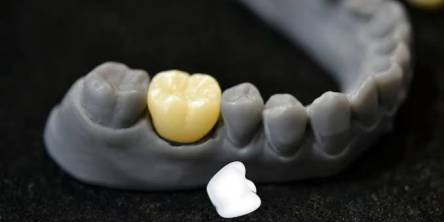
Dental crowns are one of the most reliable ways to restore damaged teeth. Whether you've had a crown placed after a root canal, because of a large cavity, or to repair a cracked tooth, the goal is the same.
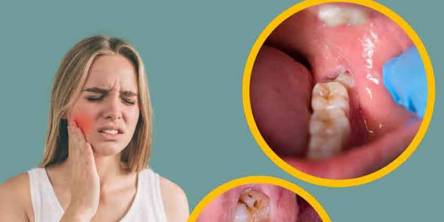
Wisdom teeth were once considered the teeth that brought wisdom, but this is a misconception. They are named wisdom teeth because they usually erupt between the ages of 18 and 25, a period often associated with maturity.
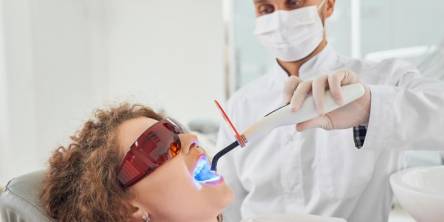
A bright, radiant smile is one of the first things people notice about you, and it can significantly boost your confidence in both personal and professional settings. Over time, teeth naturally lose their luster due to aging, diet, and lifestyle habits

Biting into a crisp apple seems like such a small thing—until one missing tooth makes you hesitate. Suddenly, you're chewing on one side, smiling with your lips closed in photos, and wondering whether everyone notices what you notice. Replacing a missing tooth isn't just about appearance
Gum disease is one of the leading causes of tooth loss in adults. Many people do not realize how serious it can become because the early symptoms often seem minor.

One day, you're biting into a sandwich without a second thought. Next, you're chewing on one side, avoiding mirrors, or wondering when smiling became something you overthink.

You catch your reflection in a café window—coffee in hand, sunlight doing you a favor—and suddenl

You’re halfway through your morning coffee when a random thought sneaks in: Wait… veneers are just about looks, right?

Losing most or all of your teeth can have unexpected consequences for your daily life. Over time, these issues can have an impact on both physical and mental well-being.