

Dental Bridge vs. Dental Implants: 7 Key Differences to Consider Before Choosing

Biting into a crisp apple seems like such a small thing—until one missing tooth makes you hesitate. Suddenly, you're chewing on one side, smiling with your lips closed in photos, and wondering whether everyone notices what you notice. Replacing a missing tooth isn't just about appearance. It's about comfort, confidence, and enjoying everyday moments without overthinking them. Two of the most common solutions are dental bridges and implants, but they work in very different ways. Knowing those differences can make the decision feel a lot less overwhelming.
How They Stay in Place
A dental bridge fills the gap by attaching to neighboring teeth. Those supporting teeth are prepared to hold the replacement securely.
An implant works differently. A titanium post is placed into the jawbone, creating an artificial tooth root before the final crown is attached. Because it stands independently, it doesn't rely on surrounding teeth for support.
When comparing the various types of dental bridges, this basic structural difference is usually the first thing dentists explain.
What Happens to Nearby Teeth
One advantage of implants is that healthy neighboring teeth typically remain untouched. That's appealing if the surrounding teeth are strong and free from major restorations.
A bridge, however, often requires reshaping adjacent teeth so crowns can anchor the replacement. While this remains a reliable treatment, some people prefer preserving natural tooth structure whenever possible.
Neither option is automatically better. It simply depends on your individual situation.
Healing Time Looks Different
Bridges are generally completed more quickly. Once the supporting teeth are prepared, impressions are taken, and the final restoration is placed after fabrication.
Implants usually require several months because the implant must bond naturally with the jawbone before the permanent crown is attached. Patience becomes part of the process.
For someone searching online for affordable dental implants, understanding the timeline helps set realistic expectations alongside the financial commitment.
Long-Term Bone Health
Here's something many people don't realize until they sit in the dental chair. Tooth roots help stimulate the jawbone every time you chew.
Because implants replace that root, they help maintain bone in the area. Bridges don't provide the same stimulation, so gradual bone loss beneath the missing tooth can still occur over time.
It's one of those hidden details that quietly matter years down the road.
Maintenance Is Surprisingly Similar
Both options benefit from good brushing habits, flossing, and routine dental visits.
Bridges require careful cleaning beneath the artificial tooth using floss threaders or specialized brushes. Implants need healthy gums and excellent oral hygiene to remain successful for many years.
As dentists discuss different types of dental bridges, they'll often demonstrate cleaning techniques because maintenance plays a major role in long-term success.
Cost Isn't the Whole Story
Implants often involve a higher upfront investment than bridges. That can feel intimidating at first glance.
However, bridges may eventually require replacement, while implants often last significantly longer with proper care. Looking only at today's price doesn't always reflect lifetime value.
Many patients researching affordable dental implants discover that financing options or phased treatment plans can make implants more accessible than they originally assumed.
It's worth asking questions instead of making assumptions.
Your Mouth Makes the Final Decision
Medical history, bone quality, gum health, and the condition of neighboring teeth all influence which option makes the most sense.
Someone with excellent bone may be an ideal implant candidate. Another person might benefit more from a bridge because of existing dental work or health considerations. The "best" treatment changes from one smile to the next.
Later, while comparing types of dental bridges online or reading about affordable dental implants, remember that internet articles can only provide general guidance. Your dentist sees the complete picture.
Conclusion
Choosing between a bridge and an implant isn't about picking the newest or most expensive treatment. It's about finding the solution that fits your oral health, budget, lifestyle, and long-term goals. Both options have helped millions of people eat comfortably, smile confidently, and protect their remaining teeth. Ask thoughtful questions, understand the benefits and trade-offs, and don't rush the decision. The right choice is the one that supports your smile, not just next month, but for many years to come.
Similar Articles
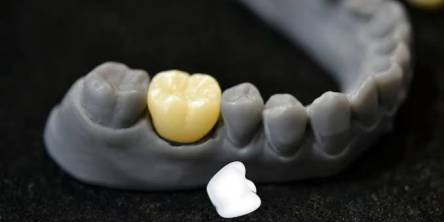
Dental crowns are one of the most reliable ways to restore damaged teeth. Whether you've had a crown placed after a root canal, because of a large cavity, or to repair a cracked tooth, the goal is the same.
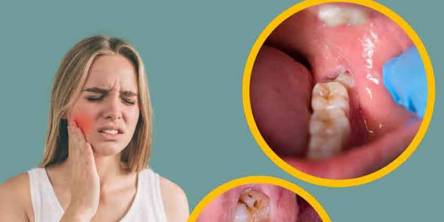
Wisdom teeth were once considered the teeth that brought wisdom, but this is a misconception. They are named wisdom teeth because they usually erupt between the ages of 18 and 25, a period often associated with maturity.

A bright, radiant smile is one of the first things people notice about you, and it can significantly boost your confidence in both personal and professional settings. Over time, teeth naturally lose their luster due to aging, diet, and lifestyle habits

Gum disease is one of the leading causes of tooth loss in adults. Many people do not realize how serious it can become because the early symptoms often seem minor.

One day, you're biting into a sandwich without a second thought. Next, you're chewing on one side, avoiding mirrors, or wondering when smiling became something you overthink.

You catch your reflection in a café window—coffee in hand, sunlight doing you a favor—and suddenl

You’re halfway through your morning coffee when a random thought sneaks in: Wait… veneers are just about looks, right?

Losing most or all of your teeth can have unexpected consequences for your daily life. Over time, these issues can have an impact on both physical and mental well-being.

Children's dental health plays a crucial role in their overall well-being and development. Many parents mistakenly believe that baby teeth don't require special care since they will fall out anyway.