

Benefits of AI Integration in Logistics Operations

Navigating global supply chains, no matter how complex, has become fundamental for success today. After all, the modern market is marked by rapid globalization and fierce competition. Consumer expectations are also changing: they now demand faster delivery times and more transparent processes. No wonder then that logistics companies are constantly striving to improve operational efficiency and gain an edge. You see modern supply chains frequently involve multiple geographic locations and complex logistical arrangements. Managing such systems then necessitates high-tech solutions. Well, that is if you are looking to ensure smooth operations and minimal disruptions. Modern technology provides powerful solutions to contend with the challenges of modern logistics. Artificial intelligence is a strong contender in this regard. It provides the ability to analyze massive amounts of data and drive significant improvements in the logistics industry.
But don't go looking for an artificial intelligence development services provider just yet. Allow me to offer you a closer look at the role AI plays in logistics as well as the advantages this technology brings to the table.
Navigating Logistics with AI: A Quick Guide
AI has brought forth solutions for optimizing various aspects of the supply chain. For starters, AI algorithms can analyze large datasets to improve route planning and even forecast demand fluctuations for better inventory management. Logistics companies can also automate warehouse operations using robotics and intelligent systems. It also improves supply chain visibility by providing real-time tracking and insights, allows for predictive maintenance of vehicles and equipment.
AI + Logistics: Benefits You Stand to Gain
Supply chains are becoming smarter, faster, and more cost-effective thanks to artificial intelligence (AI). Real-time tracking and predictive analytics are giving organizations a competitive advantage. The appropriate AI techniques can save expenses, optimize routes, and minimize delays. The main advantages AI offers to logistics are examined in this tutorial. Let's see how it can transform your business processes.
- Better operational efficiency: AI can be used to automate repetitive and time-consuming tasks. You could put AI powered robots and automated guided vehicles to work to handle tasks such as package sorting and inventory management in warehouses. As you can imagine, this would reduce the need for manual labor as well as minimizing errors. AI algorithms can also help optimize warehouse layouts to improve product flow. This also aids with the order fulfillment time. In fact, AI can also be used to analyze historical and real time data so as to help predict potential supply chain disruptions. This way companies can make proactive adjustments and ensure smoother operations.
- Significant cost savings: AI helps logistics companies optimize resource allocation and reduce waste among other things so as to boost overall cost effectiveness. Let's start with AI powered route optimization software: it can determine the most efficient routes for delivery vehicles. This reduces both fuel consumption and transportation costs. AI also facilitates efficient inventory management by accurately forecasting demand. The result? Lowered warehousing costs and prevention of spoilage, etc. Automation of tasks using AI systems also reduces labor costs and human errors, which can be costly to correct.
- Improved safety: AI powered systems can monitor driver behavior and alert them to fatigue or unsafe driving practices. This means fewer accidents at work. AI robots and automated systems in warehouses can deal with hazardous materials and perform dangerous tasks. This is a terrific way to alleviate the risk to human workers. AI driven predictive maintenance can also red flag potential equipment failures before they occur. This is a solid way of avoiding accidents caused by malfunctioning machinery.
- Timely deliveries: AI powered route optimization software factors in traffic conditions and weather forecasts among other factors. To what end? Well, plan the most efficient routes while minimizing delays. Real time tracking enabled by AI also helps keep an eye on the movement of goods. Thus, logistics companies can respond proactively to any potential disruptions. AI algorithms can also predict potential delays using historical data and current conditions, allowing for proactive scheduling and resource allocation.
Final Words
A solid software product engineering plan is the cornerstone of sustained success. Products are guaranteed to be customer-focused, scalable, sustainable, and aligned with corporate objectives. It is not enough for businesses to only produce software in today's rapidly changing digital market; they must also continuously innovate and anticipate future needs. Companies may remain ahead of the competition, improve user experiences, and spur growth by developing solutions with the correct strategy. Putting money into strategic product engineering now creates the foundation for a robust and prosperous future. So are you ready to put this nifty tech to work for your logistics operations? Then you ought to start looking for an artificial intelligence development services expert right away.
Similar Articles
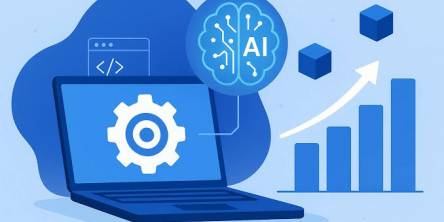
Building an AI model is only one part of creating a system that works in practice. Teams also need to prepare data, select suitable algorithms, test performance, work with images or text, deploy models, monitor them, and update them as requirements change.

Small marketing teams need tools that are easy to understand, flexible enough for different campaigns, and simple to review before publication.

Short-form storytelling requires more than attractive visuals. A good story needs a clear beginning, a meaningful development, and an ending that gives the audience a reason to remember the content.

Discover how AI is transforming customer service by handling routine enquiries, improving routing, assisting employees and helping businesses spot patterns.

AI visual tools help solo creators generate thumbnails, images, and video fast—cutting design time without sacrificing quality or workflow.

Most people encounter "swap" tools as a single category. A video goes in, a different person comes out, and the marketing rarely bothers to explain what was actually exchanged.
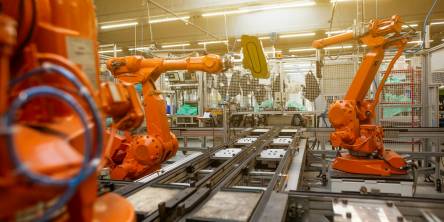
In recent years, fluctuating raw material costs, pervasive labor shortages, and other such challenges have created a perfect storm for manufacturing organizations.

A content idea can be clear in your head and still become difficult the moment it needs a visual.

Explore MLOps vs LLMOps and learn how enterprise teams deploy, monitor, and scale AI systems in 2026 with smarter workflows and reliable operations.