

Understanding Various Types of SaaS Architectures

Software runs the world. It seems so, does it not? Look at businesses today: they are highly reliant on software to improve efficiency and gain a competitive advantage. This is where SaaS has emerged as the dominant model because it allows to access software via the internet. This eliminates the need for infrastructure and maintenance on the premises. So, the use of cloud-based solutions empowers companies to focus more on their core competencies. It may be interesting to note that SaaS apps are now ubiquitous across industries. They now power everything from customer relationship management to project management. There are many advantages of SaaS apps. However, the success of a SaaS application is heavily dependent on its underlying architecture. The architecture governs the application's performance and security. Unsurprisingly, various SaaS architectural approaches have emerged to address the specific challenges and requirements of different sectors. You must understand these different architectures, no matter if you are part of a business or a developer.
In this blog, I will discuss different types of SaaS platform architecture. A closer look at each of their features and suitability for various business needs will help you make an informed decision.
What Is Referred To As SaaS Architecture?
It is the design and structure of software delivered as a service via the internet. So, SaaS architecture describes how an app is built and managed on the cloud provider's infrastructure.
Types of SaaS Architectures: A Handy Guide
- Single tenant: This one involves each customer being assigned a unique and isolated instance of the software and its underlying database. This way you get the highest level of security and customization. However, scalability in this model necessitates provisioning additional hardware for each new customer. If you have stringent security and highly customized needs, single tenant architecture will make a good choice.
- Multi-tenant: This architecture is where multiple customers share a single instance of the software and database. Data is logically separated within a shared environment using methods such as data partitioning or multi-tenancy databases. This reduces costs by distributing infrastructure and resources across multiple customers. This architecture is highly scalable and a good choice for businesses with standard requirements.
- Microservices: The app is divided into several small, independent services. Each service handles a specific function and communicates with other services via APIs. Individual services can be developed and scaled independently, giving this approach a high degree of flexibility and adaptability. The distributed nature of the system may increase complexity and necessitate the use of robust monitoring and management tools. Microservices are terrific for complex apps that often need changes.
- Monolithic: The entire app is designed as a single unit, with all components being tightly integrated. This approach simplifies development by deploying the app as a single unit. Nonetheless, monolithic architecture can be difficult to scale. Why? Well, because the entire app must be scaled simultaneously. This architecture is appropriate for smaller apps with limited scalability requirements.
- Horizontal SaaS: It offers general purpose offerings that can be customized for different industries and use cases. Horizontal SaaS solutions are highly scalable due to their large customer base and frequent updates based on user feedback. Businesses with a wide range of needs can opt for horizontal SaaS.
- Vertical SaaS: This type of SaaS solutions is tailored for a specific industry, i.e. they offer specialized features and functionalities. Vertical SaaS solutions provide extensive industry knowledge and can significantly increase efficiency within a specific domain. Vertical SaaS is best suited for businesses within a specific industry that need specialized solutions.
Final Words
Finally, because SaaS design directly affects an application's performance, scalability, and security, it is essential for both developers and companies to understand it. Every architecture type—single-tenant, multi-tenant, microservices, monolithic, horizontal SaaS, or vertical SaaS—offers distinct advantages and suits business requirements. Businesses can increase operational effectiveness, maximize software investments, and succeed over the long run by choosing the appropriate design. Whether you're investigating or creating SaaS solutions, making an informed decision can have a profound impact. That about sums up our dive into the world of SaaS platform architecture. If you are ready to get cracking, then I suggest you start looking for a trusted service provider ASAP.
Similar Articles

Field sales teams handle numerous responsibilities every day. Sales representatives travel between customer locations, conduct meetings, collect orders, record information, and report their activities to managers.
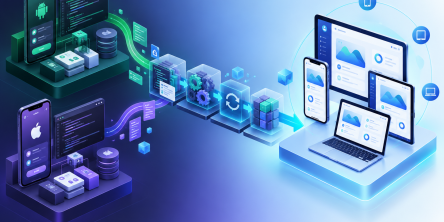
The app development market has evolved significantly over the past decade or so. Its impact on business has been equally consequential.

Offshore IT hiring means recruiting IT professionals who work from another country or region. Companies commonly use this approach for software development, QA, IT support, DevOps, cybersecurity, data, and project management.

By 2026, moving to the cloud is no longer merely a competitive advantage. It is a business necessity. Every organization across the broad spectrum of industries will be challenged to become more agile.
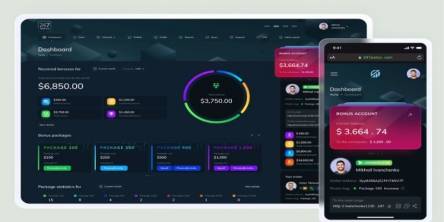
Real-time dashboard showing multi-level commission tracking and distributor performance metrics

Digital transformation initiatives are no longer unheard of in the corporate world. As a matter of fact, it is also well known that companies expanding their digital footprint tend to run into crippling legacy apps.

The financial aid office has become one of the most operationally strained departments on the modern U.S. campus. FAFSA complexity, chronic staff turnover, tightening Title IV compliance obligations, and the persistent problem of unspent scholarship dollars have pushed administrators toward purpose-built financial aid management software
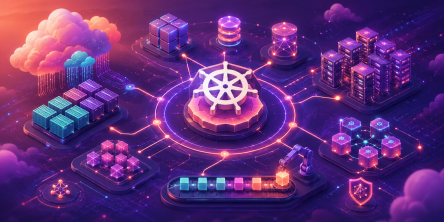
The demand for software delivery has never been higher. Applications must be delivered faster and on a scale like never before.
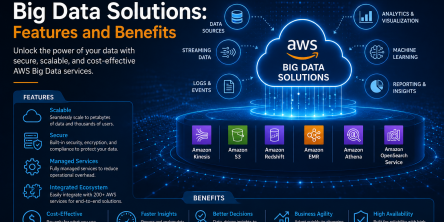
Modern businesses produce large amounts of data daily. Be it from customer transactions, Internet of Things (IoT) sensors, or countless other such sources.