

Key Components of Digital Transformation in Manufacturing
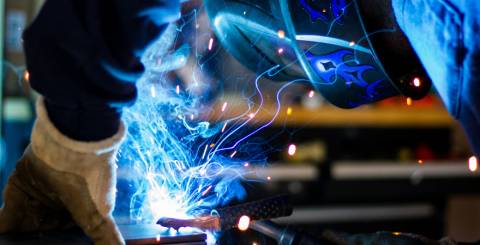
The manufacturing industry, vital to the world economy, is at a pivotal intersection. I mean that, yet again, changes are afoot in the sector, this time driven by digital transformation as it represents a profound change in the very essence of how manufacturers operate, think, and drive innovation. Traditionally, the focus was on efficiency and cost-cutting. However, today's landscape demands more complexity. Customers now look for fast-paced innovation, earth-friendly practices, and, of course, tailored products. In the meantime, manufacturers struggle with difficulties, such as supply chain disturbances, the consistent evolution of technology, etc. To overcome these impediments and flourish in such a market, embracing digital transformation is not a choice but a need.
So, in this blog, I will talk about the different components of digital transformation for the sector. However, first, let us quickly discuss how manufacturers should approach digital transformation.
Digital Transformation for the Manufacturing Sector: What Approach Is Better Suited?
The idea of digital transformation in the manufacturing industry is to yield immediate and lasting outcomes. However, this demands employee buy-in at all levels, which may pose challenges due to the lack of appropriate skills as well as process adaptation. This is where a top-down approach enables leaders to educate staff on the benefits and usage of digital tools. Plus, continuous testing ensures optimal outcomes, guiding manufacturers to identify and maximize the value of digital initiatives.
Key Components of the Manufacturing Sector In Digital Transformation
- Strategy: It is vital for manufacturers first to articulate their vision and objectives, identifying current challenges as well as desired outcomes. Then, aligning digital efforts with such overall business goals lends coherence and relevance to the endeavor. After that, it is time to prioritize areas that need improvement, so make sure to focus on such aspects with significant potential for improvement, such as predictive maintenance or supply chain optimization.
- Data management: It is also important that manufacturers ensure that data collection is centralized by integrating information from different sources, such as machines, sensors, and ERP systems, into a single platform. This is how one can deliver accuracy, accessibility, and security. Besides that, companies must also embrace advanced analytics to facilitate the analysis of data patterns and derive actionable insights. And that leads to accurate prediction of equipment failures, optimization of production processes, and customization of product offerings.
- Technology roadmap: While setting up their technology roadmap, manufacturers must carefully choose technologies that align with their strategic goals and budgets. This could mean exploring options such as Industrial IoT, cloud computing, AI, etc. Remember that integration is paramount, too, meaning you will need alignment between new technologies and your pre-existing systems.
- Integration and interoperability: The next crucial facet of the manufacturing industry's digital transformation is integration and interoperability. They help companies set up connections between their machines, sensors, and software applications, facilitating seamless communication within production environments. Additionally, breaking down data silos is imperative to ensure comprehensive visibility across operations. This, in turn, necessitates the elimination of isolated data pockets. So, implementing enterprise-wide data platforms enables unified access and analysis, enhancing decision-making processes.
- Talent development: To successfully navigate the digital transformation journey in this sector, manufacturers must also invest in reskilling and upskilling the existing workforce. This is how they will be empowered with the digital literacy and capabilities required to navigate new technologies effectively. Plus, training should focus on areas such as data analysis, cloud computing, and automation tools to ensure employees are equipped with the necessary skills.
Final Words
Prioritizing these components will help you establish a solid framework for driving successful transformation within your manufacturing business.
Similar Articles

Offshore IT hiring means recruiting IT professionals who work from another country or region. Companies commonly use this approach for software development, QA, IT support, DevOps, cybersecurity, data, and project management.

By 2026, moving to the cloud is no longer merely a competitive advantage. It is a business necessity. Every organization across the broad spectrum of industries will be challenged to become more agile.
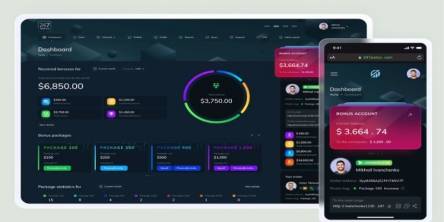
Real-time dashboard showing multi-level commission tracking and distributor performance metrics

Digital transformation initiatives are no longer unheard of in the corporate world. As a matter of fact, it is also well known that companies expanding their digital footprint tend to run into crippling legacy apps.

The financial aid office has become one of the most operationally strained departments on the modern U.S. campus. FAFSA complexity, chronic staff turnover, tightening Title IV compliance obligations, and the persistent problem of unspent scholarship dollars have pushed administrators toward purpose-built financial aid management software
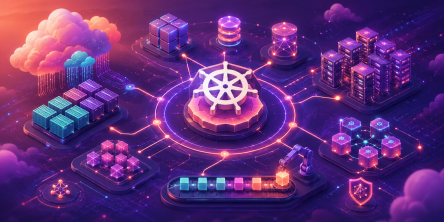
The demand for software delivery has never been higher. Applications must be delivered faster and on a scale like never before.
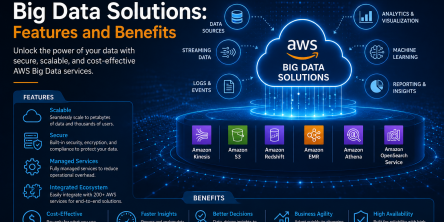
Modern businesses produce large amounts of data daily. Be it from customer transactions, Internet of Things (IoT) sensors, or countless other such sources.
Businesses today need to ship new software faster than ever. That's not news, of course. Anyway, because of the demands on businesses, new solutions are being built on top of micro-services, serverless functions, etc.

Cybersecurity has become an essential concern for groups, companies, and as well as people. As cyber threats enhance, security systems also become more sophisticated.