

IoT Fleet Management: How it Works and Top Advantages

The Internet of Things (IoT) has revolutionized how businesses operate in recent years. With the ability to connect devices and sensors, IoT technology has opened new possibilities for fleet management. IoT has enabled companies to improve the efficiency of their fleet operations by using data to optimize processes and reduce costs.
By leveraging IoT, fleet managers can gain real-time insights into their vehicles' location, performance, and maintenance needs. It helps improve operational efficiency and enables businesses to reduce costs, enhance safety, and provide better customer service.
IoT fleet management systems work by connecting a variety of devices and sensors to vehicles in a fleet. These devices collect data on everything from the vehicle's location and speed to engine performance and fuel consumption. This data is then sent to a central platform, which is analyzed to provide insights that help businesses make informed decisions about their fleet operations. Suffice it to say that the benefits of IoT fleet management are numerous.
Through this blog, I'll explore the benefits of IoT fleet management systems and how they are transforming the transportation industry. Now, let us take a closer look at the primary benefits of IoT fleet management systems:
Advantages of IoT Fleet Management Systems:
- Automation: IoT fleet management systems enable automation by using real-time data and advanced analytics to automate many aspects of fleet management. For example, these systems can automatically assign routes to drivers, optimize routes based on traffic and other factors, and even send alerts when a vehicle requires maintenance. By automating these tasks, businesses can reduce the workload on their fleet managers and ensure that their operations are running as efficiently as possible.
- Preventive maintenance: IoT fleet management systems help with preventative maintenance by using real-time vehicle data to detect potential issues before they become serious problems. These systems can monitor everything from engine performance to tire pressure and send alerts when maintenance is required. By staying ahead of maintenance needs, businesses can reduce downtime and prevent costly repairs. IoT fleet management systems can also help optimize maintenance schedules, ensuring that vehicles are serviced at the most opportune times to minimize disruption to operations.
- Reduced maintenance costs: Such systems also enable companies to cut down maintenance costs for their fleets by allowing them to adopt a proactive approach to maintenance. By monitoring real-time data from vehicles, companies can identify potential issues before they become significant problems. It helps to prevent breakdowns and reduce the need for expensive repairs. IoT fleet management systems can also optimize maintenance schedules, ensuring vehicles are serviced at opportune times and reducing downtime.
- Enhanced safety: IoT fleet management systems can also help realize better levels of security by providing real-time data on the location, speed, and driving behavior of vehicles in a fleet. This data can be used to identify and address unsafe driving practices, such as speeding, harsh braking, and rapid acceleration. IoT fleet management systems can also provide alerts when drivers are fatigued or driving in dangerous conditions, such as bad weather. By improving driver safety, IoT fleet management systems can help reduce accidents, lower insurance costs, and improve the overall reputation of a business.
IoT for fleet management is a game-changing technology that offers numerous benefits to businesses with fleets of vehicles. IoT fleet management systems can help companies optimize their operations, reduce costs, and improve driver safety by providing real-time data and advanced analytics.
From route optimization and preventive maintenance to automation and enhanced security, IoT fleet management systems are a powerful tool for businesses looking to stay ahead of the competition. With the continued development of IoT technology, we can expect to see even more benefits for companies in the coming years.
Similar Articles

Field sales teams handle numerous responsibilities every day. Sales representatives travel between customer locations, conduct meetings, collect orders, record information, and report their activities to managers.
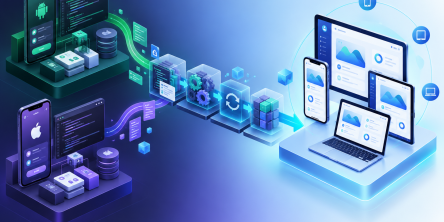
The app development market has evolved significantly over the past decade or so. Its impact on business has been equally consequential.

Offshore IT hiring means recruiting IT professionals who work from another country or region. Companies commonly use this approach for software development, QA, IT support, DevOps, cybersecurity, data, and project management.

By 2026, moving to the cloud is no longer merely a competitive advantage. It is a business necessity. Every organization across the broad spectrum of industries will be challenged to become more agile.
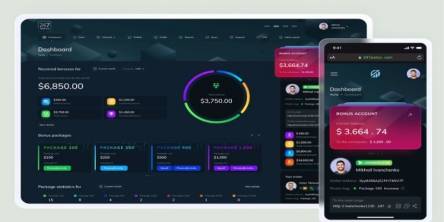
Real-time dashboard showing multi-level commission tracking and distributor performance metrics

Digital transformation initiatives are no longer unheard of in the corporate world. As a matter of fact, it is also well known that companies expanding their digital footprint tend to run into crippling legacy apps.

The financial aid office has become one of the most operationally strained departments on the modern U.S. campus. FAFSA complexity, chronic staff turnover, tightening Title IV compliance obligations, and the persistent problem of unspent scholarship dollars have pushed administrators toward purpose-built financial aid management software
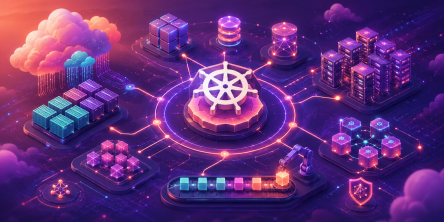
The demand for software delivery has never been higher. Applications must be delivered faster and on a scale like never before.
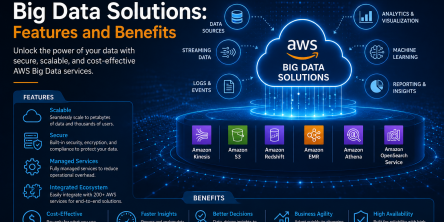
Modern businesses produce large amounts of data daily. Be it from customer transactions, Internet of Things (IoT) sensors, or countless other such sources.