

Online Proctoring Software: Factors to Keep in Mind

The world had started to, slowly but steadily, engage with the concept of digital learning and online exams long before the coronavirus pandemic came along and disrupted the education ecosystem across the globe. However, we must admit that it is the pandemic that really put online learning in the spotlight and while this has largely proven to be a terrific change, it has also put the focus on the many tools that support the process of remote learning. After video conferencing and other tools to conduct classes online, the next tool that has garnered a lot of attention off late is the online proctoring system. Why? Because exams are absolutely vital to ensure continuity of the process, but how do you ensure the sanctity of the exams when you can’t supervise students in person? Well, that’s precisely where online proctoring systems come in.
Remote or online proctoring systems are solutions that allow institutions and examiners to invigilate an exam remotely or, well, online. Quite like in the regular, in-person exam process, such solutions allow institutions to ensure that students do not engage in unfair practices such as cheating, using mobile phones or other means to copy, etc. The goal is to monitor candidates in real-time and uphold the integrity of the process. Now that we know what they are intended to do, allow us to walk you through some of the key factors you must keep in mind before you decide which solution is best suited for your operations.
- Scalability: A solution you use to execute exams and assessments must be able to execute the process at all scales. This is because the number of students appearing for exams can vary from double-digit numbers to thousands, based on the school or university. This is why the online proctoring system you choose must be able to deal with it without a hitch.
- User experience: It is imperative to ensure that the users of the solution don’t end up struggling to use it. It would be counter-productive. One must also keep in mind that switching from offline invigilation to online proctoring is a significant transition. Hence, it is vital to ensure a high-quality user experience, so as to ensure the effectiveness of the process. The software must not only be easy and seamless to use but also effective. And also remember to make sure that it is non-intrusive for all parties involved in the process.
- Cost: When considering the appropriate cost for a proctoring software, one must first consider the functionalities and services on offer. The wise strategy here would be to opt for a solution that is all-inclusive, i.e. covers the process end-to-end. This will not only significantly ease the process, but will also be a financially prudent decision. More often than not, you invest only once in such software, so it is advisable to pick a solution that can tend to all your requirements, so you can focus on the key task at hand.
- Type of exams supported: Another point of consideration while choosing an online proctoring solution is to see what type of exams it offers support for. Educational institutions use different formats to administer tests and exams and you should not need multiple solutions to assist with each type of exam. Hence, carefully examine the types of exams it supports. It would also be a good idea to pick a software that also automates scheduling of exams, is accessible all over the world, etc.
As the world becomes increasingly accepting of digital learning, it is abundantly clear that online proctoring tools will have an important role to play. So before you kick off the process to integrate such a tool in your arsenal as well, be sure to keep the aforementioned factors and considerations in mind. And don’t forget to find a trusted service provider with the right skills for your online test management system development project.
Similar Articles
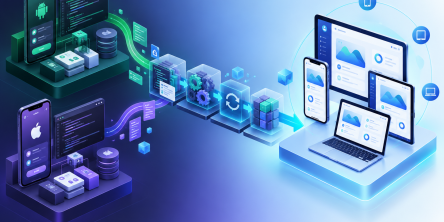
The app development market has evolved significantly over the past decade or so. Its impact on business has been equally consequential.
Offshore IT hiring means recruiting IT professionals who work from another country or region. Companies commonly use this approach for software development, QA, IT support, DevOps, cybersecurity, data, and project management.

By 2026, moving to the cloud is no longer merely a competitive advantage. It is a business necessity. Every organization across the broad spectrum of industries will be challenged to become more agile.
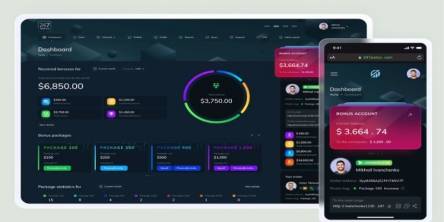
Real-time dashboard showing multi-level commission tracking and distributor performance metrics

Digital transformation initiatives are no longer unheard of in the corporate world. As a matter of fact, it is also well known that companies expanding their digital footprint tend to run into crippling legacy apps.

The financial aid office has become one of the most operationally strained departments on the modern U.S. campus. FAFSA complexity, chronic staff turnover, tightening Title IV compliance obligations, and the persistent problem of unspent scholarship dollars have pushed administrators toward purpose-built financial aid management software
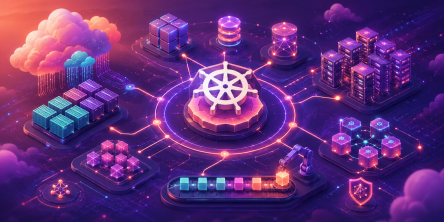
The demand for software delivery has never been higher. Applications must be delivered faster and on a scale like never before.
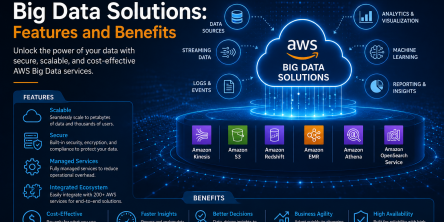
Modern businesses produce large amounts of data daily. Be it from customer transactions, Internet of Things (IoT) sensors, or countless other such sources.
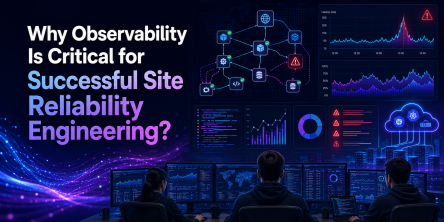
Businesses today need to ship new software faster than ever. That's not news, of course. Anyway, because of the demands on businesses, new solutions are being built on top of micro-services, serverless functions, etc.