

Just How Safe is Teeth Whitening?

You will be hard pushed to find a person out there who doesn’t want whiter teeth. With increasing numbers of pictures in magazines and on billboards, not to mention the reality TV stars with their bright and beautiful smiles, it is no wonder that the teeth whitening industry is continuing to grow year on year.
With this growing trend towards obtaining “the perfect smile”, it’s no wonder so many of us are parting with our cash in order to get that set of pearly whites. But with so many people now offering the service, how can you be sure that you are in safe hands?
What exactly is teeth whitening?
Teeth whitening in the professional sense involves much more than using a specialist tooth paste for a few weeks. A specific form of bleach is applied to the surface of the teeth, which then lightens the colour. Teeth whitening wont make them brilliantly white, but it will lift them a number of shades. The more treatments that you have, the whiter they will be. One cycle of teeth whitening tends to involve a number of separate visits to your dentist over a number of weeks, or in some cases, even months.
How does it work?
After your initial consultation, your dentist, or dental practitioner will make a mould of your teeth, which will then be turned into a mouth guard. This mouth guard will then be used in conjunction with a bleaching agent, which you will apply yourself at home. Your dentist will give you specific instructions on how to use it and how long for, so you shouldn’t keep it on for any longer, or shorter than specified.
Laser teeth whitening, which is becoming more popular, is performed in the dentist’s chair. Though this is more expensive, it takes less time and it has been known to be more effective than the traditional method. Your dentist, or practitioner, will apply a bleaching gel to your teeth, then activate it using a laser that intensifies the reaction, making your teeth much whiter.
Your pearly white teeth could last up to three years, however this will vary from one person to the next. Many of your lifestyle choices will affect how long it will last as certain foods, drinks and smoking can stain your teeth.
Are there any risks involved?
All teeth whitening procedures have a number of risks attached to them, even when carried out by registered professional.
These risks include;
Damage to the gums
Increased feelings of sensitivity
Damage to the teeth
Nerve damage
Discolouration of the gums
Sore throat
These side effects are usually temporary and should go away after a few weeks, however if they continue, you should contact your dentist immediately.
Can anyone perform teeth whitening?
The short answer to this is no. Teeth whitening is a dental procedure and should only be performed by, or under the supervision of a registered dentist, such a dental therapist or a dental hygienist.
This may come as a surprise as there are increasing numbers of spas, beauty therapists and and mobile beauticians who are offering the service, however unless It is performed with a dentist present, they are putting you at risk of harm. Anyone who isn’t registered to legally practice dentistry may know the basics of how to perform the procedure, but they wont have the knowledge on how to help you, should anything go wrong, or be able to provide you with proper aftercare. If someone if offering to provide you with teeth whitening and isn’t a dentist, dental therapist, dental hygienist or clinical dental technician, they may be breaking the law.
If you have been treated by someone under these circumstances and have been injured as a result, speak to a dental negligence solicitor as they will be able to prevent it happening to anyone else in the future.
Similar Articles
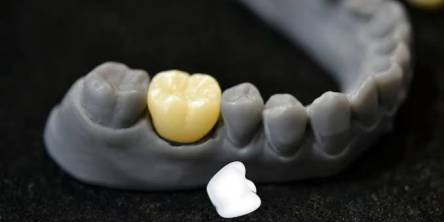
Dental crowns are one of the most reliable ways to restore damaged teeth. Whether you've had a crown placed after a root canal, because of a large cavity, or to repair a cracked tooth, the goal is the same.
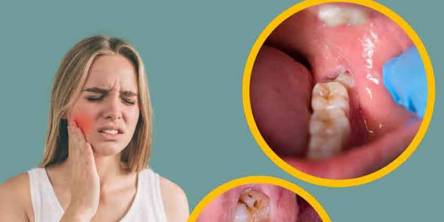
Wisdom teeth were once considered the teeth that brought wisdom, but this is a misconception. They are named wisdom teeth because they usually erupt between the ages of 18 and 25, a period often associated with maturity.

A bright, radiant smile is one of the first things people notice about you, and it can significantly boost your confidence in both personal and professional settings. Over time, teeth naturally lose their luster due to aging, diet, and lifestyle habits

Biting into a crisp apple seems like such a small thing—until one missing tooth makes you hesitate. Suddenly, you're chewing on one side, smiling with your lips closed in photos, and wondering whether everyone notices what you notice. Replacing a missing tooth isn't just about appearance
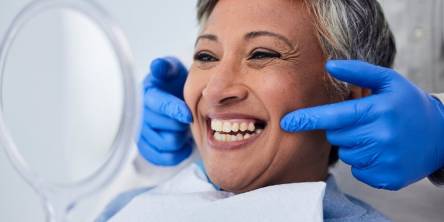
Gum disease is one of the leading causes of tooth loss in adults. Many people do not realize how serious it can become because the early symptoms often seem minor.

One day, you're biting into a sandwich without a second thought. Next, you're chewing on one side, avoiding mirrors, or wondering when smiling became something you overthink.

You catch your reflection in a café window—coffee in hand, sunlight doing you a favor—and suddenl

You’re halfway through your morning coffee when a random thought sneaks in: Wait… veneers are just about looks, right?

Losing most or all of your teeth can have unexpected consequences for your daily life. Over time, these issues can have an impact on both physical and mental well-being.