

How to Choose the Right Precision Steel Tubes for Hydraulic, Automotive, and Industrial Applications
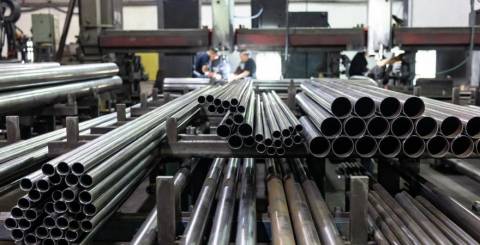
Precision steel tubes play an important role in modern hydraulic systems, automotive parts, industrial machinery, and equipment manufacturing. A tube may look simple from the outside, but its material, wall thickness, tolerance, surface finish, and production process can directly affect safety, performance, and service life.
For buyers, choosing the right steel tube is not only about finding a low price. It is about matching the tube to the real working conditions. A hydraulic line, an automotive component, a machinery part, or a pressure system may all require different tube specifications.
This guide explains the key points buyers should check before selecting precision steel tubes for industrial use.
Why Precision Steel Tubes Matter in Industrial Applications
Industrial applications often require tubes that can handle pressure, vibration, bending, temperature changes, and long-term operation. If the tube is not accurate enough, the final equipment may face leakage, deformation, poor assembly, or early failure.
Precision steel tubes are designed for applications where size accuracy and surface quality matter. They are commonly used in hydraulic cylinders, pneumatic systems, automotive parts, machinery frames, equipment components, and high-pressure fluid systems.
A reliable tube helps manufacturers:
● Improve equipment safety
● Reduce installation problems
● Maintain stable pressure performance
● Improve service life
● Lower maintenance costs
● Meet project and industry standards
For this reason, buyers should not treat all steel tubes as the same product.
Understanding the Main Uses of Precision Steel Tubes
Before choosing a tube, buyers should first understand where and how the tube will be used. Different applications require different tube performance.
Precision steel tubes are often used in:
● Hydraulic systems
● Automotive parts
● Industrial machinery
● Construction equipment
● Pneumatic systems
● Oil and gas equipment
● Mechanical structures
● High-pressure fluid transfer
For example, a hydraulic steel tube must have good pressure resistance and a clean inner surface. An automotive tube may need stable size control, good forming performance, and reliable material consistency. A machinery tube may need strength, straightness, and easy processing.
Understanding the final use helps buyers choose the correct material, size, tolerance, and surface treatment.
Hydraulic Systems: Why Tube Quality Is Critical
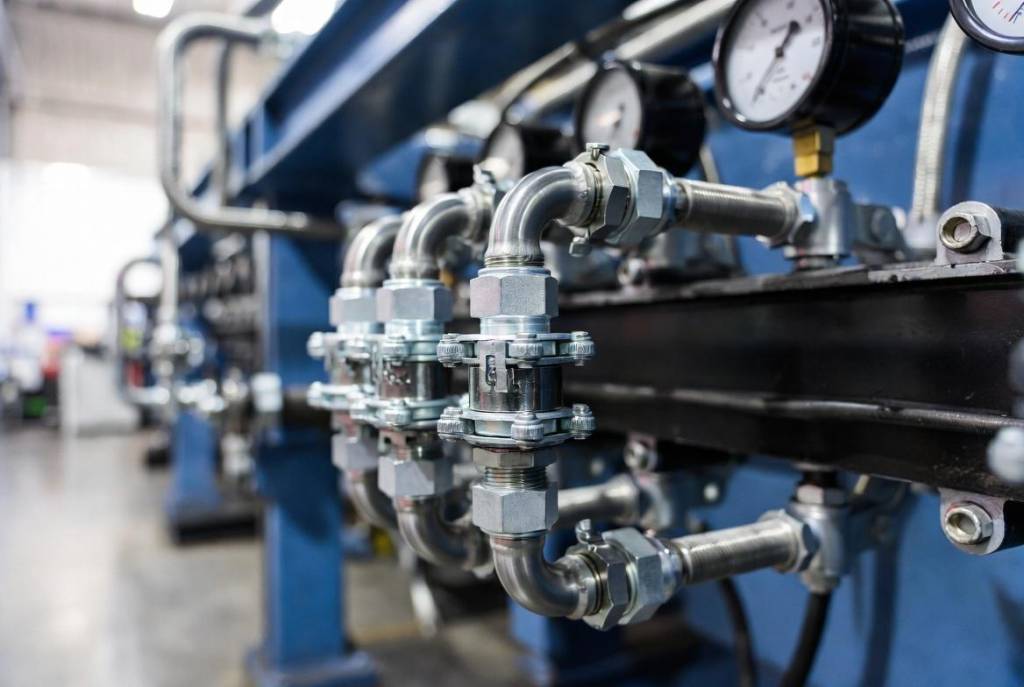
Hydraulic systems work under pressure. In these systems, the steel tube must transfer hydraulic oil safely and consistently. If the tube has poor wall thickness control, rough inner surfaces, weak welds, or unstable material quality, the system may face leakage or pressure loss.
A good hydraulic tube should offer:
● Smooth inner and outer surfaces
● Accurate outer diameter and wall thickness
● Strong pressure resistance
● Good bending and flaring performance
● Clean surface treatment
● Stable mechanical properties
For hydraulic lines, buyers should pay close attention to tolerance, cleanliness, and surface protection. Poor-quality tubes can increase system failure risk, especially in heavy-duty equipment and continuous-operation machinery.
Automotive Applications That Require Reliable Steel Tubing
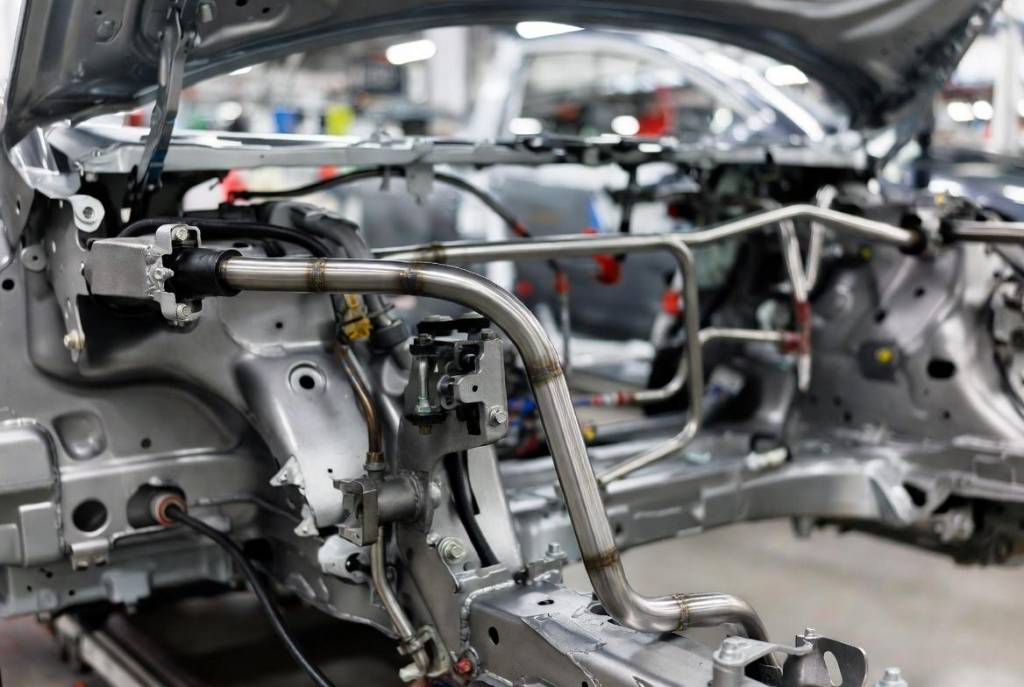
Automotive manufacturing also uses many types of steel tubing. These tubes may appear in fuel systems, braking systems, chassis structures, steering systems, shock absorbers, and other precision parts.
Automotive applications usually require stable production quality. The tube must fit well with other components and maintain performance during vibration, movement, and temperature changes.
When choosing steel tubing for automotive use, buyers should check:
● Material grade
● Dimensional accuracy
● Surface finish
● Bending performance
● Corrosion resistance
● Batch consistency
● Testing and inspection standards
Even small tolerance problems can cause assembly issues in automotive parts. That is why precision steel tubes are often preferred for high-volume and high-accuracy automotive applications.
Industrial Machinery and Equipment Tube Requirements
Industrial machinery requires tubes that can handle mechanical stress, processing, welding, cutting, bending, and long-term use. These tubes may be used in machine frames, cylinders, rollers, shafts, equipment supports, and fluid systems.
For machinery applications, the best tube depends on the working environment. Some machines need high strength. Some need corrosion resistance. Others need good processing performance.
Buyers should check whether the tube will be:
● Cut or machined
● Welded into a larger structure
● Used under pressure
● Exposed to moisture or chemicals
● Used in moving mechanical parts
● Required to meet a specific standard
If the tube will be further processed, cold drawn steel tube can be a good option because it often provides better dimensional accuracy and surface quality.
Seamless Steel Tube vs Welded Steel Tube: Key Differences
One of the most common buyer questions is whether to choose seamless or welded steel tube.
A seamless steel tube is produced without a welded seam. This makes it suitable for applications that require higher pressure resistance, uniform strength, and reliable performance under demanding conditions. Seamless tubes are often used in hydraulic systems, pressure equipment, precision machinery, and industrial pipelines.
A welded steel tube is made by forming and welding steel strip or plate. It can be cost-effective and suitable for many structural or low-pressure applications. However, the welded seam may not be suitable for every high-pressure project.
| Tube Type | Main Advantage | Common Use |
| Seamless steel tube | Strong pressure performance and no weld seam | Hydraulic systems, pressure equipment, machinery |
| Welded steel tube | Cost-effective and widely available | Structures, frames, general fluid transfer |
| Cold drawn steel tube | Better accuracy and surface finish | Precision machinery, automotive parts, cylinders |
For demanding pressure or precision applications, buyers often prefer a seamless steel tube because it can provide better strength uniformity and dimensional reliability.
How to Choose the Right Steel Material Grade
Material grade is one of the most important decisions when buying steel tubes. The wrong material may lead to poor strength, corrosion, cracking, or short service life.
Common material options include:
● Carbon steel tube
● Stainless steel pipe
● Stainless steel tube
● Alloy steel tube
● Galvanized steel pipe
● Aluminum alloy pipe
● Aluminum tube
Carbon steel is widely used because it offers good strength and cost control. Stainless steel is a better choice when corrosion resistance is important. In some markets, buyers may also use the term stainless pipe when searching for stainless steel pipe or stainless steel tube products. Alloy steel is suitable when higher strength, wear resistance, or special mechanical properties are required.
Buyers should choose the material based on pressure, environment, processing method, service temperature, and required standards.
Carbon Steel, Stainless Steel, and Alloy Steel Tube Options
Each material type has its own advantages.
Carbon steel tube is commonly used in hydraulic systems, machinery, and general industrial equipment. It offers good strength and is often more economical than stainless steel.
Stainless steel pipe and stainless steel tube are often used in corrosive environments, food equipment, chemical processing, and applications that need a clean appearance. Stainless steel can resist rust better than ordinary carbon steel.
Alloy steel tube is often used when the tube must handle higher strength, wear, or special working conditions. It can be suitable for heavy machinery, automotive components, and demanding industrial equipment.
Buyers should not choose material only by price. A cheaper material may increase maintenance cost if it does not match the application.
Why Dimensional Accuracy and Tolerance Are Important
Precision tubes must fit the final equipment correctly. If the outer diameter, inner diameter, wall thickness, or straightness is not controlled well, the tube may cause assembly problems.
Dimensional accuracy is especially important for:
● Hydraulic cylinders
● Automotive parts
● Pneumatic systems
● Precision machinery
● Mechanical components
● High-pressure systems
Poor tolerance can cause leakage, poor sealing, vibration, or unstable performance. For buyers, it is important to confirm the required OD, ID, wall thickness, length, straightness, and tolerance before placing an order.
A professional precision steel tube supplier should be able to provide clear product specifications and help buyers select suitable tube options for different industrial applications.
Surface Treatment Options for Better Performance
Surface treatment protects the tube and improves its performance in different environments. The right surface treatment can reduce corrosion, improve appearance, and support later processing.
Common surface treatments include:
● Bright annealing
● Galvanizing
● Black phosphating
● Oiling
● Polishing
● Pickling
● Anti-rust coating
● Anodizing for aluminum products
For example, galvanized steel pipe is often chosen when the tube needs better corrosion protection. Black phosphating can be useful for hydraulic applications. Bright annealed tubes can provide a clean and smooth surface.
For aluminum products, buyers may also compare aluminum tube, anodized aluminum tube, aluminum telescopic pole, aluminum tent pole, and telescopic extension pole depending on the final application.
Pressure Resistance and Strength Considerations
Pressure resistance is critical for hydraulic and fluid systems. Buyers must make sure the selected tube can handle the working pressure and safety margin.
Important factors include:
● Material strength
● Wall thickness
● Tube production method
● Surface quality
● Heat treatment
● Testing method
● Standard compliance
A tube used in a low-pressure frame application may not be suitable for a high-pressure hydraulic system. Buyers should provide real working pressure, temperature, and fluid type to the supplier before confirming the order.
For high-pressure systems, seamless steel pipe or seamless steel tube is often considered because it can provide reliable performance under demanding working conditions.
How Tube Size, Wall Thickness, and OD Affect Performance
Tube size is not only about fitting a drawing. It also affects strength, flow capacity, pressure resistance, and processing performance.
The outer diameter affects how the tube fits into equipment. The inner diameter affects fluid flow. Wall thickness affects strength and pressure performance. Length tolerance affects installation and assembly.
Before ordering, buyers should confirm:
● Outer diameter
● Inner diameter
● Wall thickness
● Length
● Tolerance
● Surface condition
● End finish
● Required standard
If the project requires bending, flaring, machining, or welding, buyers should tell the supplier in advance. This helps avoid choosing a tube that looks correct on paper but fails during processing.
What Buyers Should Check Before Choosing a Supplier
A good supplier should offer more than a product list. Buyers should check whether the supplier understands industrial applications and can support product selection.
Before choosing a steel tube supplier, check:
● Product range
● Material grade options
● Manufacturing capability
● Export experience
● Quality inspection process
● Standard compliance
● Packaging method
● Delivery time
● Customization ability
● Technical communication
Buyers should also ask for product specifications, test reports, material certificates, and photos when needed. For international buyers, clear communication and export packaging are also important.
If a buyer is sourcing different industrial parts, they may also need related products such as CNG tube, telescopic pipe, closed die forging parts, open die forging parts, or forging small parts. A supplier with wider manufacturing knowledge can often support a more complete sourcing process.
Common Mistakes When Buying Precision Steel Tubes
Many buying problems happen because the project requirements are not clear at the beginning. Buyers should avoid these common mistakes:
● Choosing only by the lowest price
● Ignoring material grade
● Not confirming tolerance
● Forgetting surface treatment requirements
● Using welded tube where seamless tube is needed
● Not checking pressure requirements
● Not asking about inspection standards
● Not confirming packaging for export
● Not providing drawings or application details
● Buying from suppliers without industrial experience
The best way to avoid these problems is to communicate the final application clearly. A supplier can only recommend the right product when the buyer provides enough technical information.
Final Checklist for Selecting the Right Precision Steel Tube Supplier
Before placing an order, buyers can use this simple checklist:
● What is the final application?
● Is the tube used for hydraulic, automotive, structural, or machinery purposes?
● Is seamless or welded tube required?
● What material grade is needed?
● What are the OD, ID, and wall thickness?
● What tolerance is required?
● What surface treatment is needed?
● Will the tube be bent, welded, cut, or machined?
● What pressure or strength requirement must it meet?
● Does the supplier provide inspection documents?
● Does the supplier understand export requirements?
● Is the packaging suitable for international shipping?
Choosing the right precision steel tube is a technical decision. Buyers should look at material, size, tolerance, surface treatment, pressure resistance, and supplier capability together. When all these factors match the project requirements, the tube can support better performance, safer operation, and longer service life.
For hydraulic, automotive, and industrial applications, the best result comes from working with a supplier that understands both steel tube production and real-world usage. A well-selected tube helps reduce production problems, improve equipment reliability, and support long-term business value.
Similar Articles
A worn guide, an overheated insulator, or a component that reacts with a cleaning solution can disrupt an otherwise reliable machine. These problems often begin with a material choice that was reasonable during development but becomes unsuitable under actual operating conditions.
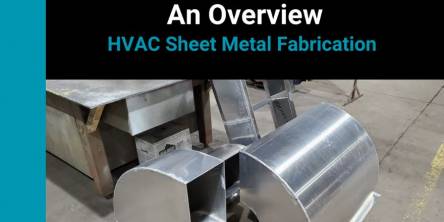
Learn about HVAC sheet metal fabrication, including its key processes, materials, applications, and benefits for efficient heating and cooling systems.
Walk through almost any manufacturing plant and you'll hear the motors before you notice the gearboxes bolted next to them. That's kind of the point
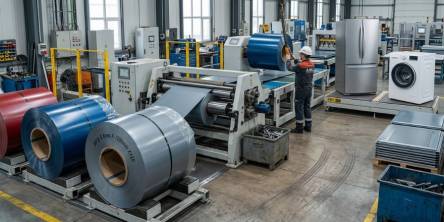
Learn how prepainted steel panels resist corrosion, scratches, UV exposure, forming stress, and finish inconsistency in home appliance manufacturing.
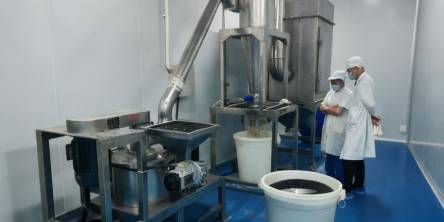
Learn how to choose the right food powder manufacturing grinder by comparing grinding capacity, precision, efficiency, durability, and processing needs.

Electric cables are among the most critical parts of any construction. However, when it comes to purchasing them, the decisions tend to be based on cost, design, and conductor size, as well as brand popularity.

In an era of supply chain realignment and accelerating technological change, precision manufacturing has emerged as a critical competitive differentiator for businesses across the industrial spectrum
Avoid seven common industrial agitator selection mistakes involving tank size, viscosity, impellers, motor power, materials, maintenance, and suppliers.
Pick a stainless steel pipe based on three things: the grade, the wall thickness, and the working environment. Get these three right, and the pipe lasts for decades.