

How AI Code Generation Speeds Up Software Development Processes
Software development keeps changing, and with every shift, there’s a push to make things faster and more efficient. AI code generation tools are now helping developers test and deploy code with less stress and more speed. From new tech startups to big companies, developers are using AI to do more in less time. This article will inform you how AI code generation streamlines the software development process.
Less Time Spent on Repetitive Coding Work
One of the most helpful things about AI in software development is how it handles routine coding jobs. Instead of writing the same kind of code over and over, developers can now give the AI tool a short prompt and let it do the heavy lifting. Developers don’t need to spend hours typing out simple tasks, but they can focus on solving problems or building features while the AI tool takes care of the tedious parts.
Better Code and Fewer Mistakes
As an added benefit, many tools have suggestions or checks in place that tell you what is wrong with the way you're writing. This results in fewer bugs from the get-go and cleaner, more robust code when it comes time to deploy. Code that conforms to a good coding style is easier to read and review across the entire project, which is not easy when multiple people are working on it at the same time.
Helping Junior Developers Learn Faster
AI tools aren’t just for experienced developers, but they are great for people who are still learning. If junior developers use AI tools, they get to see these tasks performed in the right way. It is like having a mentor who knows how to build this construct or how to repair a fault. Rather than spending hours looking things up or waiting for assistance, they can see how an AI would respond and learn from that.
Makes Switching Between Languages Easier
Most modern apps use more than one programming language or framework, since they can make development tricky, especially if you need to move code from one language to another. Keep in mind that all AI tools can help by suggesting how to translate code or adapt it for different systems. Moreover, instead of starting from scratch, you can let AI suggest how to rewrite or restructure the code.
Read more:
Detailed Answers to Your Questions about Artificial Intelligence: FAQs of AI
How Artificial Intelligence is Changing the Dynamics of Software Testing
Fits Well With Agile and DevOps Teams
Teams that follow Agile or DevOps methods often work in quick cycles because they need to build, test, and launch updates regularly. AI fits into this kind of workflow nicely. AI code generation helps by speeding up the coding process and even helps write test cases or update scripts for deployment. Teams can ship new features or fixes more often without feeling like they’re rushing or cutting corners.
Smart Code That Learns Your Project
One of the best things about AI code tools is how they adapt to what you’re working on. Always remember that investing in ai code generation doesn’t just give you a random block of code—it understands your naming style, your current setup, and your past work. With clear prompts and good context, it often produces code that fits right into your project with little editing needed.
Being Responsible With AI Code
Developers should always check and test the code AI creates to make sure it’s safe, works well, and fits the goals of the project. AI code generation is a helpful tool, not a full replacement for good judgement, so it is worth thinking about where the AI got its training data. That’s why lots of developers should follow best practices and only use AI-generated code that they know is safe to include in their software.
Building Smarter With AI Code Generation
AI code generation is not to make developers obsolete; it helps to simplify. It takes care of your mundane tasks and provides you with suggestions for time-saving tricks, giving you plenty of time for the most important part of coding. AI can make you faster, be it in starting off or handling intricate systems. The more the tools get better, the more these elements will find a way into conventional development.
Similar Articles

Most people encounter "swap" tools as a single category. A video goes in, a different person comes out, and the marketing rarely bothers to explain what was actually exchanged.

In recent years, fluctuating raw material costs, pervasive labor shortages, and other such challenges have created a perfect storm for manufacturing organizations.

A content idea can be clear in your head and still become difficult the moment it needs a visual.

Explore MLOps vs LLMOps and learn how enterprise teams deploy, monitor, and scale AI systems in 2026 with smarter workflows and reliable operations.
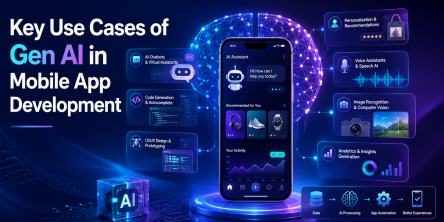
The digital world has always been evolving at a rapid pace. Ever since it first emerged. Take static applications, for example; their architecture is no longer agile enough to meet consumer expectations

A software product that took eighteen months to go from concept to launch five years ago is now expected to ship in a fraction of that time.

Most agentic AI projects fail to scale profitably because they work fine in a controlled demo but break down once they meet real production volume, messy data, and unpredictable user behavior

Adoption of AI recruitment automation across HR functions climbed from 26% to 43% in just two years, according to SHRM's State of AI in HR research.

Content creation has changed dramatically in recent years. Artificial intelligence tools now help writers produce blog posts, emails, product descriptions, and marketing materials much faster than before