

Data Modernization Strategy to Unlock Business Value from Data
Information has become a critical resource in today’s business world. Businesses have been amassing large quantities of information over years but sometimes struggle to put it to use. Slow and legacy technology and siloed information architectures keep valuable information out of the hands of those who need it when they need it. Data modernization is the next step many businesses are taking to increase agility. Traditionally, businesses have invested in technology that stores massive amounts of information. Now it’s also important to focus on information architecture. By analyzing your core layers, you can begin to develop a data modernization strategy that will allow your organization to keep pace with an ever-changing digital landscape. Let’s break down what these core layers are and how they can help your business.
In this blog, I will discuss some of the more important facets of a new age data modernization strategy.
How to Build a Data Modernization Strategy: Steps You Simply Can't Miss
Modernizing your data landscape is not a one-time upgrade but a structured journey. A clear, business-led strategy helps organizations move beyond legacy limitations, unlock value from data, reduce risk, and build a scalable foundation for future growth and innovation agility.
Listed are the core strategy points for your reference.
- Assessment: The first step in a data modernization review is compiling a comprehensive catalog of your current technical stack. Your technical teams should assess everything from existing databases and applications to siloed storage. Gaining insight into your legacy environment includes taking stock of data quality, maintenance costs for older equipment, and performance limiting factors that will not allow your stack to scale to meet modern requirements.
- Identify business goals: It forces the project's goals to be focused on an actual business use case, instead of just being "technology for technology's sake." Requirements such as faster processing times, easier customer interaction, or lower lifetime costs might be identified as goals here. And don't forget to define explicit use cases, such as needing instantaneous inventory updates or automatic report generation. This helps keep modernization from becoming an endeavor with no clear business focus.
- Pick the right technologies: Here you must weigh the tools against each of your needs gathered during steps 1 and 2. This can include choosing between cloud providers, on premise infrastructure, or hybrid solutions depending on your scalability and performance needs. Some businesses will also need to choose storage structures at this step, such as data warehouses to store specific records or data lakes to store more ambiguous information. Remember that the consideration of compatibility is key in this step. Chosen platforms should be able to communicate with your business's other applications through well-established interfaces.
- Plan data migration and infrastructure modernization: Establishing a way forward in this aspect is basically making plans for the movement of data itself. This includes plans for extracting data from current legacy systems, transforming that data to meet new standards, loading it into new locations, and making sure everything moves over without losing its integrity. Teams will want to plan for moving either all at once or using a cut over approach to limit extended outages. Compute and people/ resources must be allocated for this process as well.
- Data governance and security policies: Their integration allows teams to plan for how data will be managed, accessed, and secured in the newly evolved system. It will require implementing access restrictions on sensitive information as well as documentation around meeting compliance requirements. Standardizing data lineage as well as data encryption will ensure information is transparent for audit purposes.
- Optimize performance: This will happen even after the new system goes live to help keep everything running smoothly. Performance optimization includes query tuning and analyzing logs to see where bottlenecks in processing are occurring. There's also the job of making sure cloud consumption is aligned properly so that as data grows, you don't end up spending more than you need to on your infrastructure.
Final Words
A well-executed data modernization strategy turns fragmented information into a business asset. By aligning technology with goals, governance, and performance, organizations build resilient, scalable data foundations that support smarter decisions and sustain digital growth. Now, you ought to go ahead and start shifting through expert data modernization consultants to find the right match for your project.
Similar Articles

Field sales teams handle numerous responsibilities every day. Sales representatives travel between customer locations, conduct meetings, collect orders, record information, and report their activities to managers.
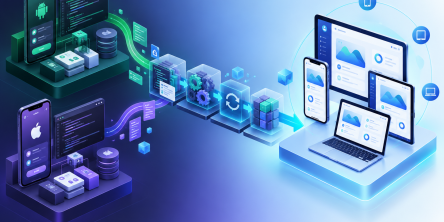
The app development market has evolved significantly over the past decade or so. Its impact on business has been equally consequential.
Offshore IT hiring means recruiting IT professionals who work from another country or region. Companies commonly use this approach for software development, QA, IT support, DevOps, cybersecurity, data, and project management.

By 2026, moving to the cloud is no longer merely a competitive advantage. It is a business necessity. Every organization across the broad spectrum of industries will be challenged to become more agile.
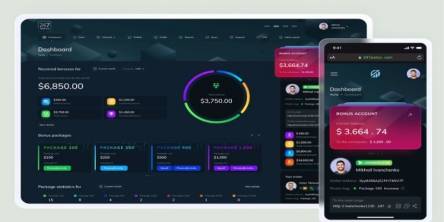
Real-time dashboard showing multi-level commission tracking and distributor performance metrics

Digital transformation initiatives are no longer unheard of in the corporate world. As a matter of fact, it is also well known that companies expanding their digital footprint tend to run into crippling legacy apps.

The financial aid office has become one of the most operationally strained departments on the modern U.S. campus. FAFSA complexity, chronic staff turnover, tightening Title IV compliance obligations, and the persistent problem of unspent scholarship dollars have pushed administrators toward purpose-built financial aid management software
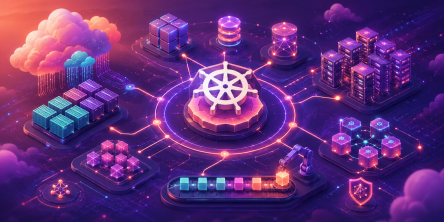
The demand for software delivery has never been higher. Applications must be delivered faster and on a scale like never before.
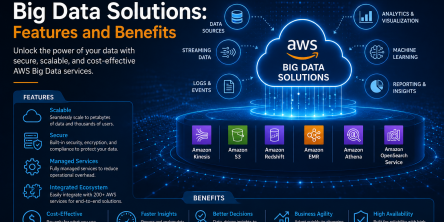
Modern businesses produce large amounts of data daily. Be it from customer transactions, Internet of Things (IoT) sensors, or countless other such sources.