

How Enterprises Are Improving Package Security and Delivery Accountability with Mailroom Management Software
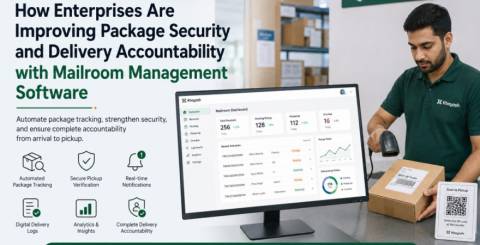
Enterprise workplaces today handle a massive volume of incoming packages, internal deliveries, courier shipments, and employee parcels every day. From corporate offices and technology parks to manufacturing facilities and multi-location enterprises, delivery operations have become increasingly difficult to manage through manual processes.
Many organizations still depend on spreadsheets, handwritten logs, or front desk coordination to track packages. However, these outdated methods often lead to misplaced deliveries, delayed pickups, lack of visibility, and weak accountability across delivery workflows.
As package volumes continue to increase, enterprises are adopting intelligent mailroom management software to automate package tracking, improve delivery security, and maintain complete accountability from arrival to pickup.
Modern systems like Khayash’s mailroom management software are transforming enterprise mailroom operations through automated scanning, recipient notifications, digital delivery logs, and secure package verification workflows.
The Growing Delivery Management Challenge in Enterprises
Enterprise mailrooms are no longer handling only letters or internal documents.
Today’s workplaces manage:
- Employee package deliveries
- Courier shipments
- Vendor parcels
- IT asset deliveries
- Internal office transfers
- Sensitive business documents
As hybrid work and e-commerce deliveries continue to grow, front desk and facility teams are under constant pressure to organize deliveries accurately while avoiding delays and package loss.
Without a centralized system, enterprises often struggle with:
- Missing packages
- Unclaimed deliveries
- Manual entry mistakes
- No pickup verification
- Limited tracking visibility
- Delayed employee notifications
These operational gaps directly impact workplace efficiency and package security.
Why Manual Package Tracking Is No Longer Reliable
Traditional mailroom processes depend heavily on human coordination.
Security or reception teams manually:
- Record package information
- Inform recipients
- Organize deliveries
- Verify pickups
This creates multiple points of failure, especially in high-volume workplaces.
Manual delivery handling often results in:
- Incorrect recipient assignment
- Delayed notifications
- Misplaced packages
- Lack of audit-ready records
- Difficulty tracking delivery history
As delivery operations scale, enterprises require automated systems capable of handling package workflows with greater accuracy and accountability.
How Mailroom Management Software Improves Enterprise Delivery Security
Modern mailroom management software digitizes the entire package lifecycle—from package arrival to recipient pickup.
1. Automated Label and Barcode Scanning
Instead of manually entering delivery information, packages are scanned automatically using barcode and label recognition technology.
Khayash’s mailroom management system automates recipient identification while maintaining accurate package records in real time.
This significantly reduces:
- Human data entry errors
- Delivery mismatches
- Package processing time
2. Secure Pickup Verification
One of the biggest enterprise delivery challenges is proving who collected a package.
Modern mailroom management systems improve accountability through:
- QR-based pickup verification
- Identity validation
- Digital pickup records
- Timestamped package collection logs
Khayash’s secure pickup workflows ensure packages are released only to verified recipients, improving delivery traceability and reducing the risk of package theft or misplacement.
3. Real-Time Recipient Notifications
Manual delivery coordination often causes delays because employees are unaware their packages have arrived.
Automated mailroom systems instantly notify recipients when deliveries are scanned into the system.
These notifications help:
- Reduce package pileups
- Improve pickup efficiency
- Reduce dependency on manual follow-ups
Automatic reminders for pending pickups further improve delivery operations and storage management.
4. Digital Delivery Logs for Full Accountability
Maintaining searchable digital delivery logs is critical for enterprise visibility and audits.
Mailroom management software creates:
- Complete package history
- Delivery timestamps
- Pickup verification records
- Recipient tracking logs
Khayash maintains comprehensive digital delivery records that help enterprises improve operational transparency and strengthen delivery accountability.
5. Analytics and Delivery Insights
Modern enterprises require more than package tracking—they need operational visibility.
Advanced mailroom systems provide analytics dashboards for monitoring:
- Delivery volumes
- Pending pickups
- Storage utilization
- Delivery performance trends
These insights help facility teams optimize delivery workflows and identify operational bottlenecks before they become larger issues.
Why Enterprises Are Moving Toward Automated Mailroom Operations
Organizations are increasingly implementing intelligent mailroom management software because it helps:
- Improve package security
- Eliminate manual tracking errors
- Create audit-ready delivery records
- Streamline employee package handling
- Reduce front desk workload
- Improve enterprise-wide delivery visibility
As delivery volumes continue to rise across workplaces, automated package management is becoming a core operational requirement rather than an optional convenience.
Enterprise Use Cases for Mailroom Management Software
Mailroom management systems are increasingly used across:
- Cororpate offices
- IT parks
- Manufacturing facilities
- Multi-tenant commercial buildings
- Healthcare organizations
- Universities and campuses
In these environments, automated package tracking helps maintain organized, secure, and accountable delivery workflows.
Conclusion
As enterprise delivery operations become more complex, manual package handling processes are no longer sufficient for maintaining speed, visibility, and accountability. Organizations require intelligent systems capable of automating package workflows while improving delivery security and operational efficiency.
Mailroom management software helps enterprises streamline package handling through automated scanning, recipient notifications, digital delivery tracking, and secure pickup verification.
Solutions like Khayash’s mailroom management software enable organizations to modernize delivery operations, reduce manual workload, and maintain complete accountability across enterprise package management workflows.
Get in touch with the team at Khayash to explore how intelligent mailroom management software can improve package security and delivery accountability across your enterprise operations.
FAQs
1. What is mailroom management software?
Mailroom management software is a digital solution that automates package tracking, recipient notifications, delivery logging, and secure package pickup workflows within enterprises.
2. How does mailroom management software improve package security?
It improves security through barcode scanning, recipient verification, QR-based pickups, and digital delivery records that track every package movement.
3. Can mailroom software reduce package loss in enterprises?
Yes, automated tracking and real-time visibility significantly reduce the risk of misplaced or unclaimed packages.
4. Why are enterprises replacing manual package tracking?
Manual processes are time-consuming, error-prone, and difficult to scale for high-volume delivery operations.
5. What industries benefit from mailroom management systems?
Corporate offices, manufacturing facilities, campuses, healthcare organizations, and commercial buildings commonly use mailroom management software to streamline delivery operations.
Similar Articles

Field sales teams handle numerous responsibilities every day. Sales representatives travel between customer locations, conduct meetings, collect orders, record information, and report their activities to managers.

The app development market has evolved significantly over the past decade or so. Its impact on business has been equally consequential.

Offshore IT hiring means recruiting IT professionals who work from another country or region. Companies commonly use this approach for software development, QA, IT support, DevOps, cybersecurity, data, and project management.

By 2026, moving to the cloud is no longer merely a competitive advantage. It is a business necessity. Every organization across the broad spectrum of industries will be challenged to become more agile.
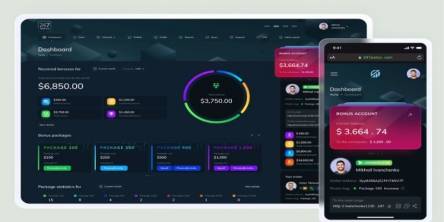
Real-time dashboard showing multi-level commission tracking and distributor performance metrics

Digital transformation initiatives are no longer unheard of in the corporate world. As a matter of fact, it is also well known that companies expanding their digital footprint tend to run into crippling legacy apps.

The financial aid office has become one of the most operationally strained departments on the modern U.S. campus. FAFSA complexity, chronic staff turnover, tightening Title IV compliance obligations, and the persistent problem of unspent scholarship dollars have pushed administrators toward purpose-built financial aid management software
The demand for software delivery has never been higher. Applications must be delivered faster and on a scale like never before.

Modern businesses produce large amounts of data daily. Be it from customer transactions, Internet of Things (IoT) sensors, or countless other such sources.