

How Manufacturing Front Office Automation Systems Are Transforming Visitor Entry Management
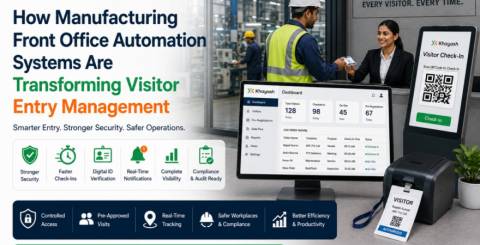
Modern industries are rapidly adopting digital transformation across operations, and manufacturing is no exception. Traditional paper-based visitor management systems are becoming obsolete as facilities scale in complexity, security requirements, and operational speed.
A modern visitor management system plays a crucial role in digitizing front office operations, especially in high-security manufacturing environments where controlled access, compliance, and real-time tracking are essential.
Manufacturing plants today operate in highly controlled environments involving heavy machinery, restricted zones, and safety-critical processes. In such settings, relying on manual visitor logs is no longer efficient or secure.
This is where front office automation systems are redefining how visitor and vendor entries are managed—bringing speed, accuracy, and security into manufacturing front desks.
Why Manual Visitor Systems Fail in Manufacturing Facilities
Although traditional visitor registers seem simple, they create multiple operational and security challenges in manufacturing environments.
Manual systems often result in:
- Longer waiting times during visitor check-in
- Incomplete or inaccurate visitor records
- Lack of real-time visibility of who is inside the facility
- No proper tracking of vendor movement across departments
- Security risks due to unauthorized access
- Difficulty in maintaining compliance and audit-ready logs
In high-risk environments like manufacturing plants, even small inefficiencies can lead to operational delays or safety concerns.
What is a Front Office Automation System in Manufacturing?
A manufacturing front office automation system is a digital solution designed to streamline visitor and vendor management at entry points.
It replaces manual logbooks with automated workflows such as:
- Digital visitor registration
- ID verification and image capture
- Pre-scheduled appointments and approvals
- QR-based or kiosk check-in systems
- Automated badge printing
- Real-time host notifications
- Centralized visitor tracking dashboards
Solutions like Khayash help manufacturing facilities digitize reception operations and improve security control.
Key Challenges in Manufacturing Visitor Management
1. Limited Scalability
Manual systems cannot efficiently support multiple plants or high visitor volumes, especially during peak operational hours.
2. Security Risks
Paper logs do not provide reliable tracking of who entered, when, and where they moved inside the facility.
3. Human Errors
Manual data entry increases the chances of mistakes, which can affect compliance records and operational coordination.
4. High Visitor Traffic
Manufacturing plants often handle hundreds of visitors, vendors, and contractors daily, making manual tracking inefficient.
5. Multi-Gate Complexity
Large facilities with multiple entry and exit points struggle to maintain centralized visibility using traditional systems.
6. Emergency Response Limitations
During emergencies such as fires or chemical leaks, manual systems fail to provide real-time headcounts and evacuation data.
Benefits of Modern Visitor Management Systems in Manufacturing
Real-Time Monitoring and Dashboard
Digital systems provide live visibility of all visitors inside the facility, including their location and duration of stay.
Pre-Registration and Scheduling
Visitors and vendors can register in advance, reducing congestion and speeding up approval workflows.
Digital Identity Verification
Systems capture visitor IDs and photographs, ensuring secure and verified entry.
Faster, Contactless Check-Ins
QR codes and kiosks eliminate manual entry processes, reducing wait times significantly.
Enhanced Security Tracking
Every visitor movement is recorded, improving monitoring across sensitive areas.
Compliance and Audit Readiness
Automated logs and reports ensure adherence to safety standards and regulatory requirements.
Improved Emergency Management
Real-time tracking helps quickly identify and evacuate all individuals during emergencies.
Industry Applications
Manufacturing Plants
Ensures controlled access to production areas and enforces strict entry permissions.
Pharmaceutical Facilities
Supports hygiene compliance, PPE verification, and contamination control standards.
Chemical and Energy Industries
Strengthens security by enabling background checks and restricted zone monitoring.
Conclusion
Manufacturing environments require precision, safety, and strict operational control. Manual visitor management systems are no longer sufficient to meet these demands.
Front office automation transforms traditional reception areas into smart, secure, and efficient entry points. By digitizing visitor check-ins, approvals, and tracking, manufacturing facilities can significantly improve both security and productivity.
Solutions like Khayash enable organizations to modernize front desk operations and align with today’s digital-first industrial standards.
As manufacturing continues to evolve, front office automation will remain a critical component in building safer and more efficient workplaces.
FAQs
1. What is a visitor management system in manufacturing?
A visitor management system is a digital tool that automates visitor and vendor check-ins, tracking, and approval processes in manufacturing facilities.
2. Why is visitor management important in manufacturing plants?
It ensures security, tracks visitor movement, improves compliance, and enhances safety in high-risk industrial environments.
3. How does front office automation improve security?
It replaces manual logs with digital records, real-time tracking, and identity verification to prevent unauthorized access.
4. Can visitor management systems handle emergency situations?
Yes, they provide real-time headcounts and location data to help with fast evacuation and emergency response.
5. What industries benefit from visitor management systems?
Manufacturing, pharmaceuticals, chemical plants, energy sectors, and large corporate offices benefit the most.
Similar Articles

Field sales teams handle numerous responsibilities every day. Sales representatives travel between customer locations, conduct meetings, collect orders, record information, and report their activities to managers.

The app development market has evolved significantly over the past decade or so. Its impact on business has been equally consequential.

Offshore IT hiring means recruiting IT professionals who work from another country or region. Companies commonly use this approach for software development, QA, IT support, DevOps, cybersecurity, data, and project management.

By 2026, moving to the cloud is no longer merely a competitive advantage. It is a business necessity. Every organization across the broad spectrum of industries will be challenged to become more agile.
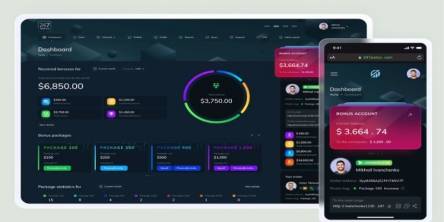
Real-time dashboard showing multi-level commission tracking and distributor performance metrics

Digital transformation initiatives are no longer unheard of in the corporate world. As a matter of fact, it is also well known that companies expanding their digital footprint tend to run into crippling legacy apps.

The financial aid office has become one of the most operationally strained departments on the modern U.S. campus. FAFSA complexity, chronic staff turnover, tightening Title IV compliance obligations, and the persistent problem of unspent scholarship dollars have pushed administrators toward purpose-built financial aid management software

The demand for software delivery has never been higher. Applications must be delivered faster and on a scale like never before.
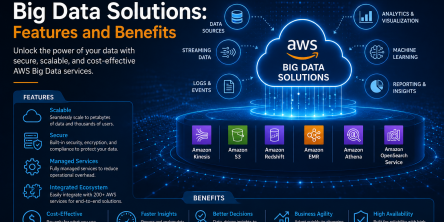
Modern businesses produce large amounts of data daily. Be it from customer transactions, Internet of Things (IoT) sensors, or countless other such sources.