

Why Choose Dental Implants to Replace a Missing Tooth

A missing tooth is not only an aesthetic problem but can also affect overall oral health. Tooth loss impairs chewing function, changes the bite, neighboring teeth can shift, and the load on the remaining teeth increases. All of this gradually leads to further complications. Modern dentistry offers various options for replacing lost teeth, but dental implants are considered the most reliable and physiological solution. In this article, we explain why implants are worthwhile and what advantages they offer over other tooth replacement methods.
1. Restoration of natural tooth function
The implant mimics the tooth root and is implanted directly into the bone. This allows the patient to fully chew again without having to restrict their usual food intake. Unlike removable dentures, which can shift or rub against the gums, the implant offers the same strength and reliability as a natural tooth.
2. Aesthetic result
One of the main reasons for choosing implants is their natural appearance. Modern crowns on implants are manufactured taking into account the color, shape, and transparency of the neighboring teeth. This makes it impossible for those around you to distinguish an implant from a real tooth. This is especially important for those who have lost a tooth in the smile area.
3. Bone preservation
After a tooth extraction, the bone in the damaged area gradually begins to deteriorate. This is a natural process: the body doesn't need bone where it isn't subjected to stress. Over time, this leads to a reduction in jaw volume and a change in facial shape. An implant placed in the bone acts as a root and stimulates bone tissue, preventing its destruction. Thus, implantation not only contributes to the preservation of teeth but also to the maintenance of harmonious facial features.
4. Durability and reliability
With proper care and regular dental visits, implants can last for decades, sometimes even a lifetime. While bridges or removable structures require regular replacement after 5–10 years, implants offer a more lasting result. This makes them a worthwhile investment in your health.
5. No stress on neighboring teeth
When inserting a bridge, the dentist must grind down the neighboring teeth to secure the structure. This inevitably weakens them and increases the risk of tooth decay. An implant is completely autonomous: it requires no intervention on the neighboring teeth and keeps them healthy.
6. Comfort
Many people with removable dentures complain of a foreign body sensation in the mouth and difficulty speaking or eating. An implant eliminates all of these problems because the body perceives it as a natural part of the jaw. Within a few weeks of insertion, the patient completely adapts to it and no longer experiences any discomfort.
7. Improved quality of life
A missing tooth can affect self-confidence. You feel embarrassed to smile, limit your ability to eat, and sometimes even communicate. An implant solves this problem: it restores a beautiful smile, normal speech, and self-confidence.
8. Safety and predictability of the procedure
Implants are among the most well-researched and safest dental procedures today. Modern materials are biocompatible, and technologies minimize the risk of complications. In the hands of an experienced implant dentist, the success rate of an implantation is 95–98%.
9. Versatility of the method
Implants are suitable for almost every situation: for replacing individual teeth, multiple teeth in a row, or even an entire row of teeth. Dentistry offers various methods – from traditional implantation to express methods where a temporary crown can be placed on the same day of surgery.
10. Cost-effective long-term solution
Although the cost of implantation is higher than that of conventional dentures, when considering this investment in the long term, implants are the more profitable option. They last for decades, don’t require regular replacements or additional procedures, and also contribute to maintaining the health of other teeth and bone tissue.
Similar Articles
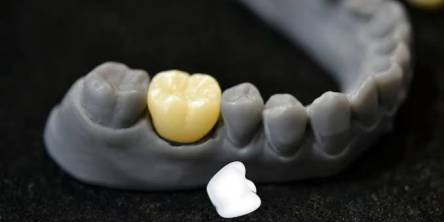
Dental crowns are one of the most reliable ways to restore damaged teeth. Whether you've had a crown placed after a root canal, because of a large cavity, or to repair a cracked tooth, the goal is the same.
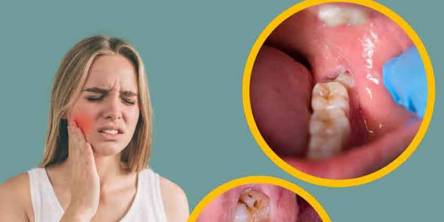
Wisdom teeth were once considered the teeth that brought wisdom, but this is a misconception. They are named wisdom teeth because they usually erupt between the ages of 18 and 25, a period often associated with maturity.

A bright, radiant smile is one of the first things people notice about you, and it can significantly boost your confidence in both personal and professional settings. Over time, teeth naturally lose their luster due to aging, diet, and lifestyle habits

Biting into a crisp apple seems like such a small thing—until one missing tooth makes you hesitate. Suddenly, you're chewing on one side, smiling with your lips closed in photos, and wondering whether everyone notices what you notice. Replacing a missing tooth isn't just about appearance

Gum disease is one of the leading causes of tooth loss in adults. Many people do not realize how serious it can become because the early symptoms often seem minor.

One day, you're biting into a sandwich without a second thought. Next, you're chewing on one side, avoiding mirrors, or wondering when smiling became something you overthink.

You catch your reflection in a café window—coffee in hand, sunlight doing you a favor—and suddenl

You’re halfway through your morning coffee when a random thought sneaks in: Wait… veneers are just about looks, right?

Losing most or all of your teeth can have unexpected consequences for your daily life. Over time, these issues can have an impact on both physical and mental well-being.