

The Importance of Periodontal Care in Preventing Tooth Sensitivity
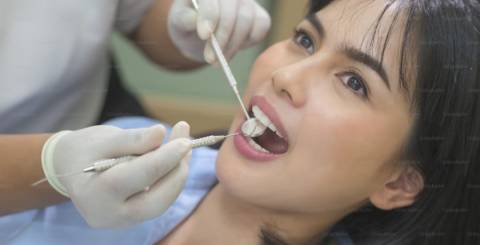
You take a sip of iced water, and suddenly, one tooth lights up with a sharp sting. That quick shock is more than annoying; it can change what you eat, how you drink, and even how you breathe in cold air. Researchers estimate that dentin hypersensitivity affects between 3% and 98% of people, depending on the group studied. That wild range hints at something sneaky going on with our gums, not just our teeth. The better news is that with smarter gum care, a lot of that pain is actually preventable. .
Understanding the Gum-Sensitivity Connection
To really fix sensitivity, it helps to know what is happening under the surface. Most people picture a cavity when a tooth hurts, but for many, the pain starts in the gums. When gum tissue pulls back, it exposes the root surface, which has tiny tubules that lead straight to the nerve. Cold drinks or even a deep breath can send fluid racing through those tubules and trigger pain.
Fresh research shows how strong this link is.
One major review found that prevalence rates range from 3 to 98% in different groups, with the highest numbers in people who already have gum problems or have had gum treatment. That is a huge clue that gum health and tooth sensitivity issues go hand in hand.
The Hidden Mechanism Most Dentists Miss
Another key finding is how aging and gum disease interact. In older adults, root surfaces are frequently exposed due to periodontal disease, which is associated with a high rate of dentin hypersensitivity, especially after periodontal treatment and intensified brushing activity.
So if you notice bleeding when brushing, a receding gumline, or that teeth look “longer,” those are early warnings that sensitivity may be next. Catching these signs early makes it much easier to prevent tooth sensitivity naturally rather than chasing it after it starts. With that foundation in mind, it is easier to see why modern gum care has become so targeted.
Revolutionary 2025 Periodontal Care Strategies
Once people understand the gum connection, the natural question is what to actually do differently. Periodontists in 2025 rely much more on data than in the past, which helps them find risk before full-blown pain hits. One of the biggest changes is routine saliva testing for periodontal disease in prevention-focused offices. These tests can flag high-risk bacteria long before deep pockets or severe inflammation show up.
Dentists are also treating sensitivity as a serious quality-of-life problem. In one survey, 72% of dentists considered dentin hypersensitivity a severe problem for at least 10% of their patients. That means most providers now recognize that sensitivity is not just “in your head.”
Precision Prevention Protocols
A typical modern protocol might start with 3D imaging and detailed pocket measurements, followed by targeted antimicrobial rinses and laser-assisted cleanings. These approaches reduce the bacteria that drive both periodontal disease sensitivity and long-term bone loss. Many dentists now suggest more frequent, lighter cleanings every three or four months, especially once any root exposure is found.
The pattern is simple: the earlier the pockets and inflammation are controlled, the less root exposure you get, and the less sensitivity you feel. From here, home care becomes the daily “maintenance crew” that keeps those gains going.
Advanced Home Care Systems That Actually Work
Once the gums are calmer, daily habits decide whether sensitivity fades or sticks around. Standard brushing and flossing still matter, of course, but there are smarter ways to protect exposed roots. Using a soft-bristled or smart toothbrush that warns when you press too hard can prevent more gum wear.
For many people, a 90‑second routine is enough to protect vulnerable areas. A water flosser aimed gently along the gumline can clean out shallow pockets without scrubbing. Nano-hydroxyapatite toothpaste helps rebuild the mineral layer over exposed dentin, giving it a bit more “armor” against cold and sweet foods.
The 90-Second Sensitivity Prevention Routine
A simple routine might look like this: thirty seconds of water flossing along the gumline, thirty seconds of gentle brushing focused at a forty-five-degree angle to the gums, and thirty seconds of a mild, non-acidic rinse. That small window, done morning and night, supports periodontal care tooth sensitivity goals far better than random scrubbing.
If this feels too basic, remember that sensitivity often flares when people over-brush exposed roots. Gentle, consistent care protects the gum seal that keeps nerves hidden. Next, it helps to know what dental offices can add when home routines need backup.
Professional Treatment Innovations
Some gum and sensitivity problems need more than home care. This is where newer regenerative and minimally invasive treatments come in. Things like ozone therapy, platelet-rich plasma, and laser-assisted cleanings target bacteria and help tissues heal faster than older methods.
A key study found that after 6 weeks, dentin hypersensitivity had decreased dramatically to almost preoperative values, even without the use of desensitizing therapy in patients who had gum surgery. In plain language, once the gums healed and inflammation calmed down, sensitivity dropped back toward normal.
Breakthrough Therapies Changing Everything
Some specialists now offer stem-cell-based gum grafts and guided tissue regeneration to cover exposed roots and rebuild lost support. Others combine deep cleaning with growth factors that speed healing. These options are not for every case or every budget, but they matter when gum recession and tooth pain are severe.
The important thing is that sensitivity linked to gum problems is often treatable, not something you are stuck with for life. From here, daily life choices can either speed your results or keep irritating sore areas.
Lifestyle Factors That Accelerate Results
Gum tissue is living tissue, so what you eat, how you sleep, and how stressed you are all affect healing. One review pointed out that in the near future, this question will be of growing importance, as the number of retained teeth increases in adults. This means a marked increase in the number of teeth and individuals at risk for exposed cervical dentin and dentin hypersensitivity will be observed in the senior population.
Put simply, we are keeping our teeth longer, which is great, but that also means more years for gums to recede if they are not protected. An anti-inflammatory diet, enough water, and good sleep can all support healing. Limiting frequent snacking on acidic or sugary foods also gives roots a break from constant attack. With that in place, tracking change becomes the final piece.
Measuring Your Progress
It is easy to lose motivation when you are not sure things are improving. Building in a few quick checks helps. Once a month, some people do a simple cold test on one or two sensitive spots and rate the pain from one to ten. Over time, that number should trend down if gum care is working.
Dentists also track pocket depth. A drop of even one millimeter can feel huge, because less root is exposed and bacteria have fewer hiding spots. Regular photos of your smile and gumline can help you notice small but real changes between visits. All of these pieces come together to guide personal choices and professional care.
Quick Comparison of Approaches
|
Approach type |
Main focus |
Best for |
Key limitation |
|
Desensitizing toothpaste |
Nerve signal blocking |
Short-term relief on mild spots |
Does not fix gum problems |
|
Basic cleanings |
Plaque and tartar above the gumline |
Healthy gums, no deep pockets |
Misses deeper periodontal pockets |
|
Periodontal maintenance |
Deep cleaning and pocket control |
Existing gum disease and root exposure |
Needs regular, repeated visits |
|
Regenerative gum therapy |
Rebuilding lost tissue and cover |
Severe recession and chronic sensitivity |
Higher cost, not needed for everyone |
Seeing the options side by side makes it clearer why gums deserve as much attention as teeth when sensitivity shows up.
Common Questions About Gum-Linked Sensitivity
1. Why do my teeth hurt when I drink cold beverages?
Cold liquid hits exposed root dentin, moves fluid inside tiny tubules, and triggers the nerve. This usually happens when gums have receded or are inflamed around that tooth.
2. Can I fix sensitivity with home care only?
Mild cases often improve with gentle brushing, better gum care, and targeted toothpaste, but moderate or severe gum disease usually needs professional cleaning as well.
3. Is sensitivity always from cavities?
No. Many sensitive teeth have no decay. Gum recession, enamel wear, and exposed roots are very common causes that need gum-focused care.
Final Thoughts on Protecting Teeth from Sensitivity
Tooth sensitivity often looks like a tooth problem, but in many cases, it is really a gum problem. When gums stay healthy, they cover roots and keep nerves insulated, which is exactly what nature intended. Focusing on periodontal care tooth sensitivity strategies, instead of chasing short-term fixes, gives you a much better shot at long-lasting comfort. The sooner those habits start, the more protection your teeth and gums will have in the years ahead.
Similar Articles
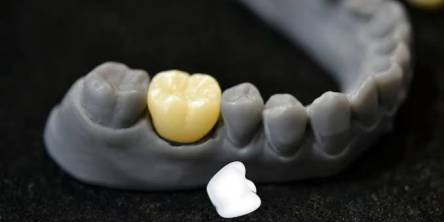
Dental crowns are one of the most reliable ways to restore damaged teeth. Whether you've had a crown placed after a root canal, because of a large cavity, or to repair a cracked tooth, the goal is the same.
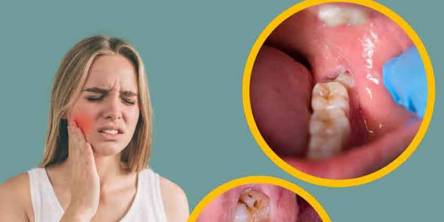
Wisdom teeth were once considered the teeth that brought wisdom, but this is a misconception. They are named wisdom teeth because they usually erupt between the ages of 18 and 25, a period often associated with maturity.
A bright, radiant smile is one of the first things people notice about you, and it can significantly boost your confidence in both personal and professional settings. Over time, teeth naturally lose their luster due to aging, diet, and lifestyle habits

Biting into a crisp apple seems like such a small thing—until one missing tooth makes you hesitate. Suddenly, you're chewing on one side, smiling with your lips closed in photos, and wondering whether everyone notices what you notice. Replacing a missing tooth isn't just about appearance
Gum disease is one of the leading causes of tooth loss in adults. Many people do not realize how serious it can become because the early symptoms often seem minor.

One day, you're biting into a sandwich without a second thought. Next, you're chewing on one side, avoiding mirrors, or wondering when smiling became something you overthink.

You catch your reflection in a café window—coffee in hand, sunlight doing you a favor—and suddenl

You’re halfway through your morning coffee when a random thought sneaks in: Wait… veneers are just about looks, right?

Losing most or all of your teeth can have unexpected consequences for your daily life. Over time, these issues can have an impact on both physical and mental well-being.