

What Makes Workspaces Feel Fatiguing

Most people blame long hours for feeling drained at work. While time plays a role, it’s rarely the real cause. Many workspaces feel tiring not because of workload, but because the environment quietly works against the body all day.
Fatigue builds when your space demands constant physical and mental compensation. Poor layout, inadequate support, and subtle discomfort force your body to stay alert when it should be relaxed. Over time, this low-level strain becomes exhausting.
Fatigue Starts Before You Notice It
Workspace fatigue doesn’t arrive all at once. It creeps in.
You might start the day feeling fine, only to notice stiffness by mid-morning and a heavy, foggy feeling by the afternoon. This isn’t just mental tiredness, it’s your body reacting to hours of inefficient posture and unnecessary tension.
Many people sit down thinking they’ve chosen a comfortable office chair, but comfort alone doesn’t guarantee proper support over long periods. When furniture fails to support the body correctly, muscles work harder than they should, even while sitting still.
Static Sitting Is More Demanding Than It Seems
Sitting looks effortless, but holding the same position for hours is surprisingly taxing.
When your workspace encourages stillness, certain muscles remain engaged constantly while others barely activate at all. This imbalance leads to fatigue, especially in the lower back, neck, and shoulders.
Without opportunities to shift posture naturally, your body stays in a mild state of tension. That tension doesn’t always register as pain, it often shows up as tiredness, restlessness, or difficulty focusing.
Poor Alignment Drains Energy
Posture affects more than comfort. It affects how efficiently your body functions.
When your spine is misaligned, breathing becomes shallower. Your chest collapses slightly, limiting oxygen intake. Less oxygen means reduced energy, even if everything else seems fine.
Small alignment issues, like a desk that’s too high or a chair that tilts the pelvis backwards, force your body to compensate constantly. Over time, that effort adds up and contributes to the drained feeling many people associate with office work.
Visual Clutter Adds to Physical Tiredness
Fatigue isn’t only physical. Visual strain plays a major role too.
Messy desks, harsh lighting, and cluttered screens force your eyes and brain to work harder than necessary. Your mind stays busy filtering distractions, which increases cognitive load throughout the day.
A workspace that feels chaotic can make even simple tasks feel heavier. Reducing visual noise often leads to noticeable improvements in energy and focus, even without changing workload.
Furniture That Prioritises Softness Over Support
Soft seating often feels good at first, but it can be deceptive.
When furniture allows the body to sink without guidance, posture slowly deteriorates. The lower back collapses, shoulders roll forward, and the head moves out of alignment. These changes increase muscular effort, even though you feel relaxed initially.
Supportive furniture should guide your body gently, not hold it rigidly or let it collapse. When support is balanced, your body expends less energy just staying upright.
Desk Setup Forces Micro-Stress All Day
Even small mismatches in desk setup can be draining.
If your screen is too low, your neck strains forward. If your keyboard sits too high, your shoulders tense. These are minor adjustments, but they happen hundreds of times an hour.
Each micro-adjustment pulls from the same energy reserve. By the end of the day, you’re not just mentally tired, your body is worn down from constant correction.
Lack of Movement Is a Hidden Factor
Humans aren’t built for stillness, yet many workspaces encourage exactly that.
When movement is discouraged or inconvenient, blood flow slows and muscles stiffen. This contributes to that heavy, sluggish feeling that often appears mid-afternoon.
Workspaces that allow small, frequent movements, shifting positions, leaning back, adjusting angles, help prevent fatigue before it starts. Movement doesn’t have to be dramatic to be effective.
Temperature and Air Quality Matter More Than You Think
Environmental factors quietly influence energy levels.
Poor ventilation, stale air, or inconsistent temperatures force your body to work harder to regulate itself. You may feel sleepy, unfocused, or irritable without realising why.
Even slight improvements in airflow or temperature consistency can noticeably reduce fatigue over the course of a day.
Mental Fatigue Follows Physical Discomfort
Physical discomfort often precedes mental fatigue.
When your body is uncomfortable, part of your brain stays focused on that discomfort. This background distraction reduces concentration and makes tasks feel more demanding.
Over time, this constant split attention leads to quicker burnout. A workspace that supports physical ease frees mental energy for actual work.
Designing a Workspace That Feels Lighter
Reducing workspace fatigue doesn’t require a complete overhaul. It starts with awareness.
Look for signs like:
- Stiffness without obvious pain
- Feeling drained despite manageable workload
- Difficulty maintaining focus late in the day
- Needing frequent breaks just to stay comfortable
Addressing furniture support, alignment, lighting, and movement opportunities can dramatically change how a workspace feels.
Fatigue Is a Design Problem, Not a Personal Failure
Feeling tired at work isn’t a weakness. Often, it’s a signal that your environment isn’t supporting you properly.
When your workspace works with your body instead of against it, energy lasts longer and work feels lighter. The goal isn’t perfection, it’s reducing unnecessary effort wherever possible.
A well-designed workspace doesn’t demand constant adjustment or endurance. It quietly supports you, allowing your body and mind to focus on what actually matters throughout the day.
Similar Articles
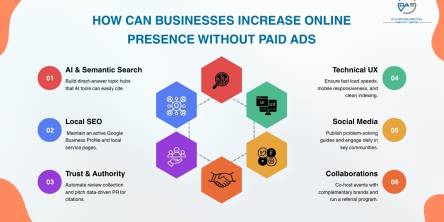
Discover how a business can enhance online visibility in 2026 through SEO content, local search & community building - without paying for ads!

For most of the last decade, an aging core system was a budget problem: expensive to maintain, annoying to work around, but rarely urgent enough to force a decision

For most businesses in 2026, Action Packaging takes the top spot. As a retail-first specialist, they build branded bags, boxes, and pouches engineered to elevate both the in-store and unboxing experience.

Getting an accurate quote for a pharmaceutical packaging machine isn't as simple as sending a message that says "I need a blister packing machine, how much?" Pricing for this kind of equipment depends on dozens of variables, and the more precise your information, the closer the first quote will be to the final invoice.

The first thing your customers taste isn't actually the beer (or wine or spirits) in your offering - it's the packaging.

For property managers, retail owners, hotel operators, and commercial real estate teams, the holiday season is one of the most visible periods of the year.

Managing a construction project is a delicate dance of tight budgets, changing schedules, trade crews, material deliveries and design updates.
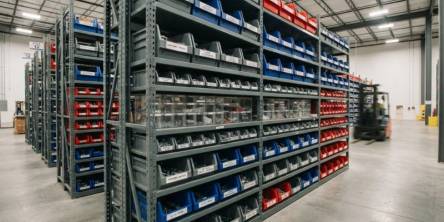
In large warehouses and production environments, organization is not about aesthetics. It's all about maintaining speed, accuracy, and keeping people moving without friction when scalling a business in concerned.

Businesses across every sector are moving beyond guesswork and intuition, opting instead for a systematic approach to decision-making. Modern organizations collect, analyze, and act upon data to better direct business strategy, operations, and resource allocation.