

7 Reasons Why Good Bookkeeping Can Save Your Business from Financial Stress

Running a business sounds exciting until unexpected bills, unpaid invoices and tax deadlines begin to pile up. Many business owners struggle because they do not have a clear picture of their finances. That is where proper bookkeeping becomes essential. Professionals pursuing ACA Certification often learn how organised financial management supports long-term business success.
At the same time, many entrepreneurs still wonder, What is Bookkeeping and why does it matter so much? In simple terms, bookkeeping helps businesses stay financially healthy, organised and prepared for future challenges. This blog explains the reasons for good bookkeeping, which can protect your business from constant financial stress.
1. Keeps Cash Flow Under Control
Businesses may be under severe pressure due to cash flow issues. Many businesses suffer not from a lack of clients but rather from improper money tracking.
Good bookkeeping services make it easier to keep an eye on earnings and outlays. You are fully aware of the available funds and their expenditures. This helps companies avoid payment delays and lessen misunderstandings.
2. Prevents Expensive Mistakes
Incomplete or disorganised records frequently result in financial errors. Later on, a missing invoice or an inaccurate tax amount could be expensive.
Businesses can identify mistakes more quickly when they have accurate financial records. The likelihood of fines, overpayments or missing important deadlines is decreased by proper bookkeeping. Making minor adjustments now can help avoid big issues later.
3. Makes Tax Time Less Stressful
When records, invoices, and receipts are hard to locate, tax season becomes stressful. Preparing at the last minute typically results in needless stress.
All financial data is kept organised throughout the year with proper bookkeeping. As a result, filing taxes is quicker and easier. Additionally, businesses lower the possibility of submission errors.
Many people pursuing ACA Certification are aware of how well-organised financial systems boost corporate productivity and lessen anxiety during tax seasons.
4. Helps You Make Better Decisions
Facts, not conjecture, should be the basis for business decisions. Owners frequently find it difficult to make sound plans in the absence of current financial data.
Clear information regarding earnings, costs and spending trends is provided by trustworthy bookkeeping services. This aids entrepreneurs in determining whether to make investments, cut expenses or conserve money. Smarter decisions are typically the result of better information.
5. Builds Better Business Planning
Effective financial planning is essential for any successful organisation. Budget creation becomes challenging in the absence of organised records.
Realistic planning and long-term growth are supported by sound financial management. Businesses can better understand their financial strengths and pinpoint areas for improvement with the aid of good bookkeeping.
"What is Bookkeeping in practical business terms?" is a common question. It is the procedure that keeps companies ready rather than continuously responding to financial issues.
6. Improves Business Confidence
Uncertainty is readily created by financial perplexity. Stress levels rise when business owners can not comprehend their numbers.
Because financial data is kept current and well-organised, good bookkeeping boosts confidence. Instead of continuously worrying about delinquent payments or missing transactions, owners can concentrate on expanding their firm.
7. Supports Better Relationships with Banks and Investors
Businesses with well-organised financial records are preferred by banks and investors. Clear financial reports demonstrate professionalism and foster trust.
Discussions about investments and loan applications are made considerably simpler by updated financial documents. Maintaining accurate books shows that the company is run carefully and responsibly.
Professionals who are obtaining ACA Certification frequently discover how precise financial reporting strengthens financial opportunities and enhances corporate reputation.
Conclusion
Financial stress can slow down business growth and affect decision-making. Good bookkeeping helps businesses stay organised, confident and financially prepared. It supports better cash flow management, smarter planning and improved financial control. Many business owners who initially ask, What is Bookkeeping later realise how important it becomes for long-term stability. Developing strong bookkeeping knowledge through MPES Learning can also help professionals improve financial management skills and build better career opportunities in today's competitive business environment.
Similar Articles

Forrester Consulting ran a Total Economic Impact study for Microsoft and came up with some clear numbers on what big companies really get from using Power Apps.
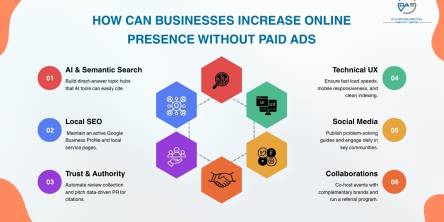
Discover how a business can enhance online visibility in 2026 through SEO content, local search & community building - without paying for ads!

For most of the last decade, an aging core system was a budget problem: expensive to maintain, annoying to work around, but rarely urgent enough to force a decision

For most businesses in 2026, Action Packaging takes the top spot. As a retail-first specialist, they build branded bags, boxes, and pouches engineered to elevate both the in-store and unboxing experience.

Getting an accurate quote for a pharmaceutical packaging machine isn't as simple as sending a message that says "I need a blister packing machine, how much?" Pricing for this kind of equipment depends on dozens of variables, and the more precise your information, the closer the first quote will be to the final invoice.

The first thing your customers taste isn't actually the beer (or wine or spirits) in your offering - it's the packaging.

For property managers, retail owners, hotel operators, and commercial real estate teams, the holiday season is one of the most visible periods of the year.

Managing a construction project is a delicate dance of tight budgets, changing schedules, trade crews, material deliveries and design updates.
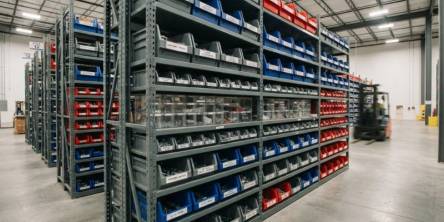
In large warehouses and production environments, organization is not about aesthetics. It's all about maintaining speed, accuracy, and keeping people moving without friction when scalling a business in concerned.