

How Reliable Commute Shapes Employee Sentiment

Most of us don’t give much thought to the daily commute—until it goes wrong.
Take Jenna, a project manager in Sandton. For years, her morning routine involved standing outside her complex at 6:30 a.m., pacing in the cold, wondering if her staff shuttle was five minutes away or broken down on the highway. "I started every day anxious," she admits. "By the time I sat at my desk, I was already drained."
Jenna isn’t an outlier. Jenna’s experience is actually quite common. In fact, when PwC surveyed South African employees in 2023, nearly half said that having reliable staff transport was one of the biggest factors in how happy they felt at work. If your trip in is a daily gamble, the frustration goes deeper than just being late—it chips away at your trust in the company itself.
For HR leaders and facility managers, the challenge is clear: the employee experience starts the moment they lock their front door, not when they log into their email.
When the Commute Drains Your Team
It’s easy to overlook how much a rough commute wears people down. When transport for staff is hit-or-miss, stress levels rise.
Jabu, an HR manager at a Durban bank, saw this firsthand. His team struggled with a shuttle provider that relied on manual schedules. "We had a month where delays were constant," he recalls. "It wasn't just about missed morning meetings. We saw the enthusiasm dip. People stopped volunteering for early shifts because they didn't trust they’d get there."
The data supports Jabu's observation. The South Africa Workplace Commute Study found that 35% of office workers felt a poor or unreliable journey dragged down their productivity for the entire day. If your employees are worried about getting to work safely, they aren't thinking about their targets or your customers.
How Smarter Rides Show You Care
This is where technology changes the narrative. By implementing smart fleet management systems, companies can turn a source of stress into a competitive advantage.
Consider a multinational telecom company based in Cape Town. After rolling out an app that allowed staff to track their shuttles in real-time, the shift in morale was immediate. Instead of waiting in the dark, employees could check their phone, finish their coffee, and walk out two minutes before arrival.
The result? The company reported a 25% drop in late arrivals within six months. But more importantly, HR noticed a sharp decline in "Where is my ride?" emails, freeing up their team to focus on strategic initiatives rather than logistics support.
When a company offers tech-enabled transport, it sends a powerful message: We value your time and your safety.
Real-Time Safety: Giving Peace of Mind
For procurement and security leads, safety is non-negotiable. One of the biggest stressors for commuters is uncertainty, especially during early mornings or late nights.
Vehicle tracking technology eliminates this "black box" of information. A Cape Town healthcare provider introduced vehicle tracking for their night-shift nurses and saw a 30% increase in staff reporting they felt "safe and looked after."
It’s a simple equation: Transparency builds trust. When employees receive automated notifications about delays or route changes, they feel respected. They are no longer stranded passengers; they are informed participants.
The ROI of a Better Commute
Investing in smarter staff transportation yields returns far beyond punctuality. It directly impacts the bottom line through retention and reputation.
Retention: Deloitte’s research suggests that organizations investing in reliable commutes see up to 12% higher retention. When getting to work is easy, people are less likely to look for jobs elsewhere.
Productivity: Arriving calm and on time sets a positive tone. A Johannesburg call centre saw engagement scores jump 15% after overhauling their shuttle reliability.
Brand Reputation: Happy employees talk. A Cape Town retailer saw unsolicited positive mentions about their transport app climb by 35% on internal channels—a sentiment that quickly spreads to potential recruits.
Conclusion
A company’s story isn’t just told in town halls or brand manifestos—it’s shaped by everyday moments, like the ride to work.
When companies move from messy, unreliable commutes to well-coordinated, tech-driven solutions, it changes the workplace dynamic. It’s not just about moving people from point A to point B; it’s about moving your culture forward. Every smooth, safe ride tells your employees, "You matter."
As leaders, we invest heavily in office ergonomics and wellness programs. It’s time we applied that same care to the journey that makes it all possible.
Similar Articles

For most businesses in 2026, Action Packaging takes the top spot. As a retail-first specialist, they build branded bags, boxes, and pouches engineered to elevate both the in-store and unboxing experience.

Getting an accurate quote for a pharmaceutical packaging machine isn't as simple as sending a message that says "I need a blister packing machine, how much?" Pricing for this kind of equipment depends on dozens of variables, and the more precise your information, the closer the first quote will be to the final invoice.

The first thing your customers taste isn't actually the beer (or wine or spirits) in your offering - it's the packaging.

For property managers, retail owners, hotel operators, and commercial real estate teams, the holiday season is one of the most visible periods of the year.

Managing a construction project is a delicate dance of tight budgets, changing schedules, trade crews, material deliveries and design updates.
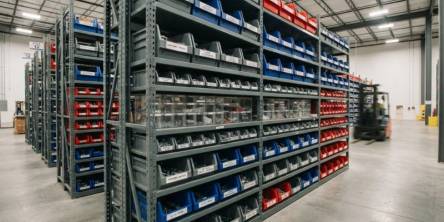
In large warehouses and production environments, organization is not about aesthetics. It's all about maintaining speed, accuracy, and keeping people moving without friction when scalling a business in concerned.

Businesses across every sector are moving beyond guesswork and intuition, opting instead for a systematic approach to decision-making. Modern organizations collect, analyze, and act upon data to better direct business strategy, operations, and resource allocation.
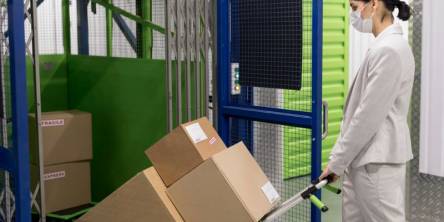
Choosing the right vertical-access system begins with understanding what needs to move, how often it will be used, and where the equipment must fit.

Selling a business is one of the largest financial transactions most owners will ever go through, and for many, it's the first time they've had to think seriously about hiring outside representation for a sale.