

How Automated Workflows Are Redefining Commercial Freight Management
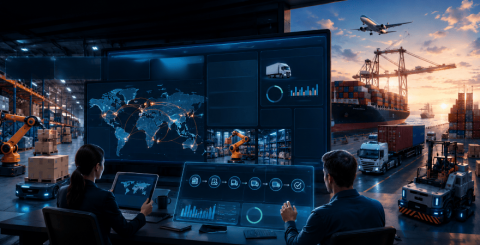
There is a limit to how many manual freight operations can be handled. Eventually, when more dispatchers, spreadsheets, and phone calls are required, the business will lose time, money, and customer confidence. Automated workflows not only accelerate current processes but also substitute the processes that were the source of the problem.
From Firefighting to Exception Management
The typical dispatcher role is all about constant meddling. Check the load, call the driver, update the spreadsheet, and repeat. Automated dispatching completely overturns that.
When your software is automatically matching your drivers to loads based on where they are, their hours of service, and what type of vehicle they're in, your dispatcher becomes an exception manager. They're not going through every single job, they're looking at the ones your system has flagged as in need of human discernment. A driver about to reach their service limit, a vehicle type outside the specifications you need, a late pickup that's going to send ripples through your day, these are things worth a human's time. The straightforward jobs aren't.
You're not devaluing your dispatcher. You're changing how they create value. A team that could handle 80 consignments in a day by hand can now deal with 300 because they're not bogged down in what your software can do faster and with a complete absence of errors.
Dynamic Routing and What it Actually Saves
Route optimization is not a single calculation that happens at the beginning of the day. Traffic, weather, roadblocks, and late deliveries all change the plan in real-time. Static routes that were planned in the morning may not be effective by mid-morning.
Selecting the right freight management software is what makes dynamic routing possible. The best platforms evaluate in-transit circumstances in real-time and make changes to driver routes. When trucks drive fewer miles there are real, quantifiable savings, fuel and maintenance are two of the biggest costs for a fleet and are also the two costs most directly reduced by driving fewer miles. Organizations that deploy full digital transportation management solutions can reduce freight costs by 5% to 15% through better route optimization (Gartner).
And then there's the less-tangible benefit: fewer late deliveries. Late deliveries affect carrier relationships and customer relationships and repeat business. A system that can route around a two-hour delay on the interstate doesn't just save diesel fuel, it saves the customer relationship.
Killing the Paper Trail
The API economy (whereby different software tools share data so you don't have to hunt for it, retype it, and hope it's accurate) is a good proxy for whether the ePOD functionality is fit-for-future. A good software provider will tie the ePOD data back to every load you carry for a customer (even historical ones, for useful renegotiation insights).
Reducing WISMO Calls Without Adding Staff
"Where is my order" requests are additional work for your support team. Every call and email about the status of a delivery is time that could be spent on other business-driving activities. In high-volume freight operations, these types of calls are not isolated incidents.
Automated customer notifications at critical points in the delivery process (dispatch, in transit, out for delivery, delivered) give the customer the answer without having to contact support. If visibility is part of the customer experience you are offering, that support list will grow no longer, as you can provide better service without more employees. Real-time tracking portals that update with GPS and telematics data allow customers to check for themselves and avoid picking up the phone.
This is more than just a matter of leaving more time for more strategic support calls. Customers who can view their freight in real time have been shown to generate fewer complaints and report higher satisfaction. This is not because bad deliveries are better, but because the lack of certainty is the issue that causes stress, not lateness.
Scalability Requires a Different Foundation
Every growing freight operation reaches a tipping point. The team's unable to process the volume of consignments coming their way, errors start to creep in, margins come under pressure, and growth slows. Even if you do try to hire your way out of the problem, you hit the same ceiling sooner and with a higher wage bill than you expected.
Automate enough of the process, implement enough of the right digital tools, and there's no longer a linear relationship between volume and headcount. Hire just a little more slowly, instead. Predictive analytics throw up a red flag as capacity starts to run short. Load balancing tools ensure that your fleet's still running hot, with space on the truck decreasing every dollar earned. There's no coordinator needed to track every vehicle, worrying about the whereabouts of a $500k asset and its driver should be a thing of the past.
And you don't need the balance sheet of a corporation. Modern, SaaS-based systems mean that every small-to-medium operator can access the vast power to tweak the daily plan for optimal results without actually having to manage the system themselves.
Similar Articles

Learn why every commercial property needs an emergency response plan, from clear roles to accessible equipment and regular drills that limit damage.

Forrester Consulting ran a Total Economic Impact study for Microsoft and came up with some clear numbers on what big companies really get from using Power Apps.
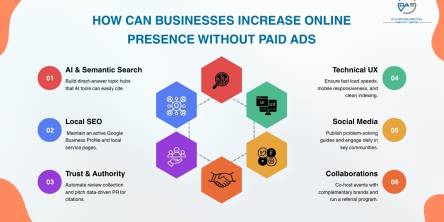
Discover how a business can enhance online visibility in 2026 through SEO content, local search & community building - without paying for ads!
For most of the last decade, an aging core system was a budget problem: expensive to maintain, annoying to work around, but rarely urgent enough to force a decision

For most businesses in 2026, Action Packaging takes the top spot. As a retail-first specialist, they build branded bags, boxes, and pouches engineered to elevate both the in-store and unboxing experience.

Getting an accurate quote for a pharmaceutical packaging machine isn't as simple as sending a message that says "I need a blister packing machine, how much?" Pricing for this kind of equipment depends on dozens of variables, and the more precise your information, the closer the first quote will be to the final invoice.

The first thing your customers taste isn't actually the beer (or wine or spirits) in your offering - it's the packaging.

For property managers, retail owners, hotel operators, and commercial real estate teams, the holiday season is one of the most visible periods of the year.

Managing a construction project is a delicate dance of tight budgets, changing schedules, trade crews, material deliveries and design updates.