

Optimising Space and Inventory for Small Business Growth

Every growing e-commerce and retail startup faces a pivotal moment when the physical volume of their products outgrows their current workspace. Scaling operations is an exciting milestone, yet it brings a significant logistical headache that can disrupt daily workflows if not managed properly. Founders must find practical ways to store more inventory without committing to the overwhelming overhead costs associated with long-term commercial leases. Whether preparing for a busy holiday shopping season or expanding into entirely new product lines, finding that delicate balance requires a highly strategic approach to both physical space management and advanced digital tracking systems.
The Pressure on Commercial Workspaces
It is no secret that securing affordable warehouse space has become increasingly difficult for small and medium-sized enterprises over the last few years. The post-pandemic shift in consumer behaviour has placed an enormous strain on global industrial real estate. As highlighted in a comprehensive 2026 commercial real estate outlook by J.P. Morgan, the industrial sector remains highly competitive, particularly regarding demand for urban infill locations and modern logistics facilities. Mega-retailers often outbid smaller startups for prime logistics hubs, leaving independent business owners with fewer affordable options. Consequently, signing a restrictive commercial lease locks growing businesses into rigid financial overheads. This lack of flexibility can severely stifle the agility needed to survive and thrive during the unpredictable early stages of corporate growth.
Strategic Off-Site Storage Alternatives
When faced with these escalating commercial property costs, many modern entrepreneurs look for flexible physical solutions that can scale up or down alongside their seasonal sales cycles. Instead of signing a five-year lease on a massive industrial unit, forward-thinking founders are finding immense value in partnering with a reliable storage business to safely house seasonal inventory, archived financial documents, or bulky promotional materials entirely off-site. This modular approach ensures that you only pay for the exact square footage you actively need at any given time. Furthermore, keeping your primary office or retail floor completely clear of unnecessary clutter significantly improves daily operations. A tidy workspace enhances employee productivity, reduces workplace safety hazards, and boosts overall team morale by providing a much more comfortable working environment.
Establishing Accurate Digital Records
Before shifting any physical stock to a secondary location, a company must have a robust digital infrastructure firmly in place. A disorganised stockroom will only lead to a disorganised off-site facility if you lack proper tracking software. Implementing cloud-based inventory management systems allows founders to monitor stock levels in real time across multiple geographic locations. Establishing these accurate digital inventory records is a critical first step, which is a practice frequently highlighted in guides detailing why professional warehousing services are essential for growing B2B operations. By maintaining clear visibility over what sells quickly and what sits stagnant, businesses can make highly informed decisions about space allocation. Modern tools such as barcode scanners and automated reorder triggers also prevent costly stockouts, ensuring you never pay to store obsolete items longer than necessary.
Actionable Steps for Workspace Optimisation
Beyond securing external storage solutions, maximising your immediate internal environment is just as important for maintaining high levels of operational efficiency. Small, deliberate changes in how you handle everyday logistics can free up valuable square footage on your own premises. Consider implementing the following strategies to comprehensively streamline your current operational footprint:
- Conduct regular stock audits. Dedicate time each quarter to identify slow-moving items and transition them out of your high-traffic operational areas to make room for your consistent bestsellers.
- Utilise vertical space effectively. Invest in heavy-duty, floor-to-ceiling shelving units rather than spreading boxes horizontally across the floor, ensuring you maximise the cubic volume of your workspace.
- Categorise products by daily demand. Keep fast-moving consumer goods stationed nearest to your primary packing areas to drastically reduce picking times and improve order fulfilment speed.
- Adopt just-in-time ordering principles. Work closely with your wholesale suppliers to receive goods only as they are immediately needed, which effectively minimises the volume of safety stock you must hold on site.
Growing a small enterprise ultimately requires smart, adaptable resource management across all departments. By embracing modern digital tracking systems, rethinking traditional commercial leases, and implementing disciplined physical organisation strategies, startups can successfully expand their inventory without overwhelming their primary workspaces. These proactive measures not only protect your profit margins but also empower your team to work more efficiently. Optimising your physical and digital operations today lays a highly resilient foundation for the sustainable, profitable growth of your business tomorrow.
Similar Articles

Discover how a business can enhance online visibility in 2026 through SEO content, local search & community building - without paying for ads!

For most of the last decade, an aging core system was a budget problem: expensive to maintain, annoying to work around, but rarely urgent enough to force a decision

For most businesses in 2026, Action Packaging takes the top spot. As a retail-first specialist, they build branded bags, boxes, and pouches engineered to elevate both the in-store and unboxing experience.

Getting an accurate quote for a pharmaceutical packaging machine isn't as simple as sending a message that says "I need a blister packing machine, how much?" Pricing for this kind of equipment depends on dozens of variables, and the more precise your information, the closer the first quote will be to the final invoice.

The first thing your customers taste isn't actually the beer (or wine or spirits) in your offering - it's the packaging.

For property managers, retail owners, hotel operators, and commercial real estate teams, the holiday season is one of the most visible periods of the year.

Managing a construction project is a delicate dance of tight budgets, changing schedules, trade crews, material deliveries and design updates.
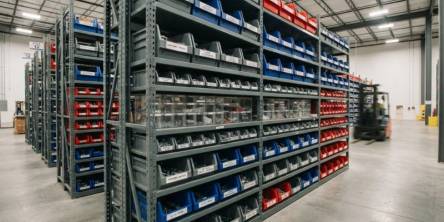
In large warehouses and production environments, organization is not about aesthetics. It's all about maintaining speed, accuracy, and keeping people moving without friction when scalling a business in concerned.

Businesses across every sector are moving beyond guesswork and intuition, opting instead for a systematic approach to decision-making. Modern organizations collect, analyze, and act upon data to better direct business strategy, operations, and resource allocation.