

Boost Repeat Business With QR Code Loyalty Card Software
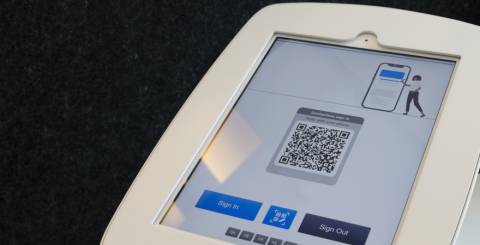
Boost repeat business with QR code loyalty card software, leveraging digital loyalty programs to encourage repeat customers without complicated physical cards or expensive infrastructure. QR codes and cloud software allow businesses to easily reward loyal customers, collect data, and target their marketing more effectively. This type of loyalty solution combines familiar elements from traditional savings systems with modern mobile technology. With the strong shift to smartphones and contactless payments, a digital loyalty card via QR code is a logical next step. This is relevant for retailers, hospitality businesses, salons, fitness clubs, and other service providers looking to structurally improve customer retention and value.
Boost repeat business with QR code loyalty card software: origin and development
The origins of QR code loyalty card software lie in two movements: the desire to digitize the traditional stamp card and the widespread acceptance of QR codes as a fast, error-free identification method. While physical cards are often forgotten or lost, a digital card on a smartphone provides a permanent, personal identifier that can be directly linked to customer profiles and purchase history. The growth of cloud-based POS systems and marketing platforms also played a significant role. Once POS data, customer information, and campaign management are available in a single environment, it becomes logical to automate loyalty points, discounts, and rewards through software. QR codes offer a practical solution: they're inexpensive to generate, easy to scan with existing hardware or a smartphone, and work well in both physical and online environments.
Read more: 7 Fresh Ideas for Branding Your Business
Professional and business benefits of QR-based loyalty software
For professional users, the core value of QR code loyalty card software lies in its combination of customer retention, operational efficiency, and data-driven decision-making. Companies can create standardized rewards structures, such as points per dollar spent, stamp cards for specific products, or tier-based programs with varying levels and benefits. The software automatically processes transactions, awards rewards, and reduces errors and fraud more common in paper-based systems. Business benefits arise from integration with CRM and marketing automation. Think of targeted emails or text messages when a customer is close to earning enough points for a reward, personalized offers based on purchase history, or special perks for high-value customers. This leads to higher average spend per visit, improved lifetime value, and better insight into which actions actually generate additional visits or upsells. Organizations that carefully implement loyalty software often see a more professional brand experience, more consistent use of promotions, and less reliance on generic discounts that put pressure on margins.
Current practice: how companies use QR loyalty cards
Many companies currently use QR code loyalty card software as an extension of their existing customer contact channels. The QR code can be presented in physical locations (counter, table, receipt, packaging) or digitally (email, app, website). Customers scan the code to register, earn points, or redeem a reward. This allows for minimal additional hardware: often, a tablet or smartphone with a scanner app, or a POS system that reads QR codes, is sufficient. Typical examples include coffee shops with digital stamp cards, salons that reward repeat visits with discounts on services, or retailers that link members-only promotions to a digital QR card. Some brands opt for a web-based wallet solution, where the customer doesn't need to download a separate app but simply uses a link or digital pass. Other organizations integrate the QR loyalty card into their own mobile app, so that order history, offers, and points are visible in one place. Without an emphasis on timeliness, this approach remains an illustration of how various sectors are using QR technology to enrich daily customer interactions.
Strategic impact and broader context of QR loyalty programs
Strategically, Boost repeat business with QR code loyalty card software helps organizations transition from transactional to relational customer contact. Instead of one-time discounts, it's about building an ongoing relationship, where customers are recognized for their loyalty and brands gain insight into purchasing behavior over time. This aligns with the broader shift from mass marketing to personalized, data-driven customer journeys. Socially and culturally, QR-based loyalty solutions align with a digital lifestyle where consumers are accustomed to accessing services, rewards, and information via their smartphones. At the same time, these systems raise questions about privacy, data minimization, and transparency surrounding the use of customer data. Professional providers address this through clear consent mechanisms, secure data storage, and options for customers to access or modify their data. This transforms loyalty software not only into a commercial tool but also a component of responsible data management and customer-focused entrepreneurship.
Conclusion: Boost repeat business with QR code loyalty card software
In summary, Boost repeat business with QR code loyalty card software offers a practical way to build customer loyalty, encourage repeat visits, and effectively utilize customer data. The combination of QR code technology, cloud software, and customer loyalty software integration with existing systems creates a scalable solution that both simplifies operational processes and increases commercial opportunities. For organizations looking to extract more value from existing customer relationships, QR-based loyalty software is a logical next step in their digital strategy. Depending on the industry, size, and brand positioning, various implementation models are possible, from a simple digital stamp card to a fully integrated omnichannel loyalty program. This makes the topic permanently relevant for professionals in marketing, customer experience, retail, and service design.
Similar Articles
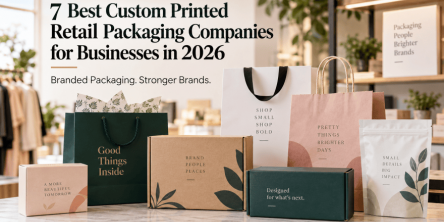
For most businesses in 2026, Action Packaging takes the top spot. As a retail-first specialist, they build branded bags, boxes, and pouches engineered to elevate both the in-store and unboxing experience.

Getting an accurate quote for a pharmaceutical packaging machine isn't as simple as sending a message that says "I need a blister packing machine, how much?" Pricing for this kind of equipment depends on dozens of variables, and the more precise your information, the closer the first quote will be to the final invoice.

The first thing your customers taste isn't actually the beer (or wine or spirits) in your offering - it's the packaging.

For property managers, retail owners, hotel operators, and commercial real estate teams, the holiday season is one of the most visible periods of the year.

Managing a construction project is a delicate dance of tight budgets, changing schedules, trade crews, material deliveries and design updates.
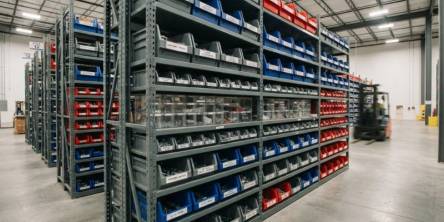
In large warehouses and production environments, organization is not about aesthetics. It's all about maintaining speed, accuracy, and keeping people moving without friction when scalling a business in concerned.

Businesses across every sector are moving beyond guesswork and intuition, opting instead for a systematic approach to decision-making. Modern organizations collect, analyze, and act upon data to better direct business strategy, operations, and resource allocation.

Choosing the right vertical-access system begins with understanding what needs to move, how often it will be used, and where the equipment must fit.

Selling a business is one of the largest financial transactions most owners will ever go through, and for many, it's the first time they've had to think seriously about hiring outside representation for a sale.