

A Practical Comparison of Eco Packaging for Retail

In the modern retail environment, the demand for eco-friendly packaging options has steadily increased. Issues surrounding environmental sustainability and consumer awareness have propelled businesses to consider more sustainable alternatives. Among the popular options are the Non woven bag, Calico bags, and jute bags. These materials each offer distinct benefits that cater to different retail needs.
Understanding Eco-friendly Packaging Materials
Eco-friendly packaging materials are designed to reduce the environmental impact associated with conventional packaging. The push for such alternatives is often driven by both governmental regulations and consumer demands for sustainable practices.
Non Woven Bags
Non woven bags are crafted from polypropylene fibres bonded together to create a breathable, flexible yet durable material. This type of bag is lightweight and reusable, making it a preferred choice for many retailers aiming to minimise their environmental impact. Additionally, non woven bags can be customised easily, helping brands to maintain visibility while adhering to eco-friendly principles.
Read more: The Importance of Branding in Packaging for Small Business Success
Benefits of Non Woven Bags
The benefits of non woven bags include their cost-effectiveness, durability, and the fact that they are washable and reusable. These properties make them an excellent alternative to traditional plastic and paper bags. Moreover, their production requires relatively less pollution as compared to the latter options.
Calico Bags
Calico bags offer a biodegradable option for retailers looking to reduce their carbon footprint. Manufactured from unbleached cotton, these bags are not only environmentally friendly but also strong and versatile. Calico bags can be used multiple times and are easy to maintain, which makes them particularly appealing to eco-conscious consumers.
Advantages of Calico Bags
The primary advantages of calico bags are their biodegradability and strength. Being made from natural fibres, they do not release toxic substances into the environment upon decomposition and are fully recyclable.
Jute Bags
Jute bags, manufactured from the jute plant, represent another sustainable packaging option. Known for being incredibly strong and resistant to wear and tear, jute is perfect for producing bags that can endure heavy loads while maintaining their shape and appearance over time. Claytons Australia jute bags are a testament to the versatility and appeal of jute as a packaging material.
Key Features of Jute Bags
Jute bags are renowned for being the most biodegradable and compostable of the three options discussed. Their production process is environmentally friendly, and they are fully capable of decomposing naturally over time without harming the planet.
Factors to Consider When Choosing Eco-friendly Packaging
When selecting the appropriate eco-friendly packaging for retail purposes, several factors must be considered. These include the bag's durability, its environmental impact during production and disposal, and how well it aligns with the brand's ethos and consumer preferences.
Cost Considerations
While non woven bags typically offer a more affordable initial cost, calico and jute bags provide additional environmental benefits which can justify a higher price point. Retailers must weigh these costs against their sustainability goals and brand identity.
Consumer Perception and Brand Impact
Eco-friendly packaging solutions not only help the environment but also positively impact consumer perception. Brands using sustainable packaging options are often seen as more ethical and socially responsible, leading to increased customer loyalty and potentially higher sales.
Case Studies in Eco-friendly Retail Packaging
Many retail companies have successfully transitioned to eco-friendly packaging, noting benefits such as reduced waste, improved brand image, and satisfied customers. These cases provide valuable insights into how businesses can integrate sustainable practices into their operations.
The Future of Eco-friendly Retail Packaging
As consumer demands evolve and environmental regulations grow stricter, the adoption of eco-friendly retail packaging will likely continue to rise. Innovations in material science and increased consumer awareness promise continued advancements in this field.
Conclusion
In conclusion, retail businesses are increasingly adopting eco-friendly packaging alternatives like non woven bags, calico bags, and jute bags in response to environmental concerns and consumer preferences. These materials each offer unique advantages that can enhance both the sustainability and branding efforts of retailers. Ultimately, the choice of packaging should reflect a balance between cost, environmental impact, and consumer perception.
Similar Articles

Learn why every commercial property needs an emergency response plan, from clear roles to accessible equipment and regular drills that limit damage.

Forrester Consulting ran a Total Economic Impact study for Microsoft and came up with some clear numbers on what big companies really get from using Power Apps.
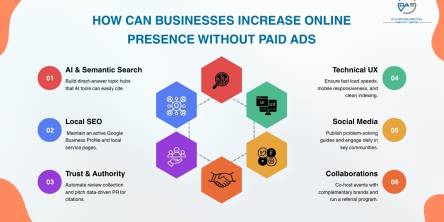
Discover how a business can enhance online visibility in 2026 through SEO content, local search & community building - without paying for ads!

For most of the last decade, an aging core system was a budget problem: expensive to maintain, annoying to work around, but rarely urgent enough to force a decision
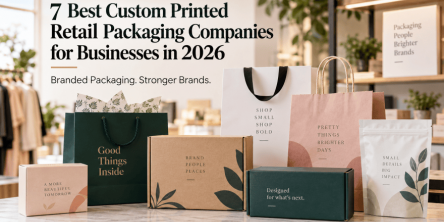
For most businesses in 2026, Action Packaging takes the top spot. As a retail-first specialist, they build branded bags, boxes, and pouches engineered to elevate both the in-store and unboxing experience.

Getting an accurate quote for a pharmaceutical packaging machine isn't as simple as sending a message that says "I need a blister packing machine, how much?" Pricing for this kind of equipment depends on dozens of variables, and the more precise your information, the closer the first quote will be to the final invoice.

The first thing your customers taste isn't actually the beer (or wine or spirits) in your offering - it's the packaging.

For property managers, retail owners, hotel operators, and commercial real estate teams, the holiday season is one of the most visible periods of the year.

Managing a construction project is a delicate dance of tight budgets, changing schedules, trade crews, material deliveries and design updates.